Understand any stock in simple English
Enter a ticker to learn what the company does and how it makes money.
Motiva Infraestrutura de Mobilidade S.A.
Motiva operates toll roads, railways, subways, and airports under long-term government contracts in Brazil and abroad, earning money from the fees people and vehicles pay to use them.
Motiva is one of Brazil's biggest infrastructure operators, but most people never deal with it directly. Instead, they drive on its highways, ride its trains and subways, or land at its airports, paying tolls and fares without thinking much about who runs the place. The company holds long-term concessions — government contracts that let it build, maintain, and operate public infrastructure for decades in exchange for the right to charge users.
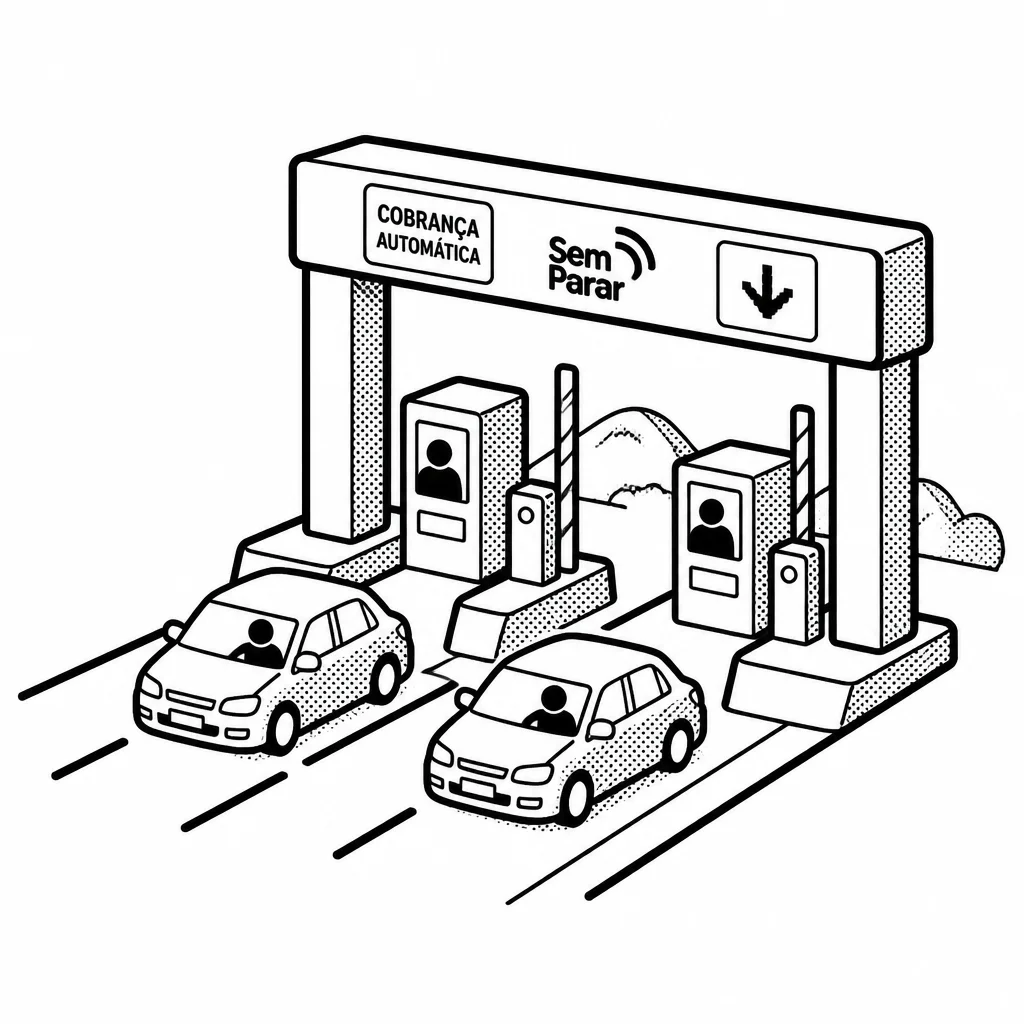
The business splits into a few clear pieces. Its highway concessions are the backbone: stretches of toll road that Motiva maintains and collects tolls on, mostly in the state of São Paulo and other parts of Brazil. It also runs urban rail and subway lines and holds airport concessions, both in Brazil and internationally. Because these are concessions, the money comes from everyday use — a driver paying a toll, a commuter tapping a train card, an airline paying airport fees — rather than from selling a product. Infrastructure like this is expensive to build and slow to pay off, which shapes everything about how the company works. Motiva typically takes on big upfront construction costs and debt, then collects steady fees for years. That makes it a bit like buying an apartment building: huge money going in at the start, then rent trickling in for decades. Its main risks are the flip side of that — traffic that comes in lower than expected, toll or fare caps set by regulators, and the cost of debt when interest rates rise.
The company is the former CCR, a name many Brazilian investors still recognize, and it rebranded to Motiva as it broadened beyond highways into rail and airports. It is listed on B3, Brazil's main stock exchange. Its revenues are largely predictable because they ride on long contracts, but the business is capital-hungry and heavily regulated, so its fortunes depend on winning new concessions, keeping existing ones profitable, and managing debt carefully over the long haul.
Saved answer · last researched 12 Nov 2026