Understand any stock in simple English
Enter a ticker to learn what the company does and how it makes money.
Davide Campari-Milano N.V.
Campari makes and sells alcoholic drinks — most famously the bright red Campari bitter — and owns a portfolio of spirits and wine brands sold around the world.
Campari is a drinks company built on one strange, bitter, bright-red Italian aperitivo and a growing pile of acquired brands. You drink it in a Negroni or a spritz, usually before dinner, and that pre-dinner ritual is the heart of the business. The company sells its own brands rather than just bottling for others, which means it earns money from the premium people pay for a recognizable name on the label.
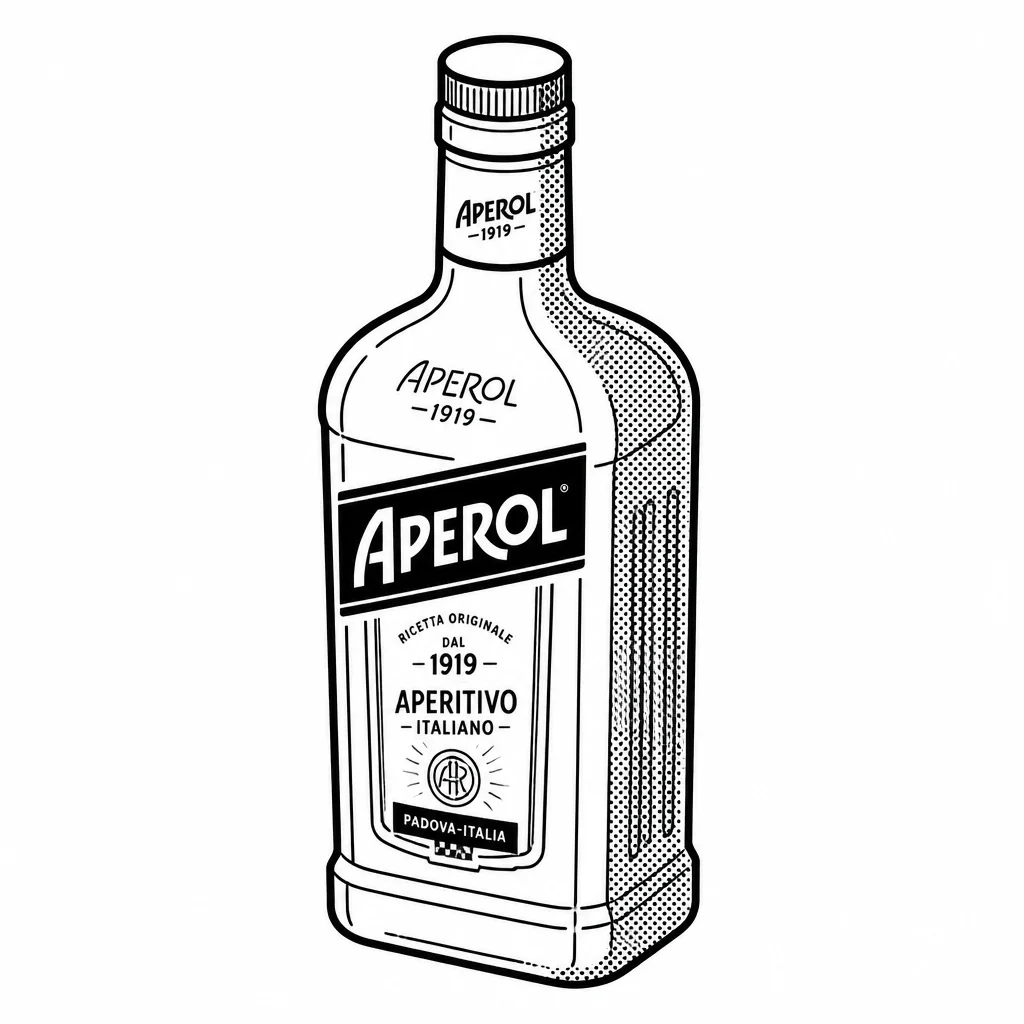
The portfolio runs well beyond the flagship bitter. There's Aperol, the orange liqueur that became a global spritz phenomenon, plus Grand Marnier, Wild Turkey bourbon, Espolòn tequila, SKYY vodka, and a collection of Italian wines and Scotch whiskies like Glen Grant. This matters because the company makes most of its money from branded spirits, and the more premium the bottle, the better the margin. It sells to distributors, bars, and retailers, not directly to you — so its real customer is the trade, and its real weapon is marketing that convinces people to pay up for a branded pour instead of a cheap one. The company is a family-controlled business, rooted in Milan but legally headquartered in the Netherlands after a corporate restructuring. It competes against global giants like Diageo and Pernod Ricard, which are far larger and can outspend it on shelf space and advertising. Campari's counter is speed and focus: it turns regional Italian drinks into worldwide trends, and it has spent years buying brands to widen the portfolio and reduce reliance on any single product.
The big recent story is the €1.2 billion-plus acquisition of Courvoisier cognac, completed in 2024, which added a major luxury name to the lineup. Campari also leans on its aperitivo boom — the Aperol spritz became a global bar staple and drove years of fast growth — and it pays a dividend while continuing to buy brands. The catch: fashions in drinks shift, and a company that bets heavily on premium spirits and a single trendy cocktail must keep finding the next hit before the current one cools.
Saved answer · last researched 9 Nov 2026
BIG PICTURE
Campari pours 62% of Italy's ready-to-drink alcohol, far ahead of its nearest rival
- 62% Campari
- 9% Martini & Rossi
- 29% Others
In Italy's ready-to-drink market, the kind of premixed cocktails people grab at a bar or a shop, Campari held 62% of the volume in 2025. The next closest player, Martini & Rossi, had just 9%. That gap matters because these convenient formats are a big part of how Campari is growing: new versions like Aperol on Tap are helping it reach drinkers in places a bottle alone cannot. Source: Euromonitor, data from 2025
Timeline
A Red Drink Is Born
In the 1860s, Gaspare Campari invented a bright red, bittersweet drink in Milan. It was a hit, and the recipe never changed, which turned one man's idea into the company's signature brand.
The Son Takes Over
In 1888, Gaspare's son Davide took charge and pushed hard to sell the drink around the world. He used art and advertising to build the brand, and the family's taste for bold marketing became part of the company's DNA.
Campari Soda in a Famous Bottle
In 1932, the company launched Campari Soda, the world's first pre-mixed drink. It came in a distinctive bottle designed by the futurist artist Fortunato Depero, showing that packaging could be as memorable as the drink itself.
The Family Sells
By 1982, the last Campari family heir sold the company to Erino Rossi and Domenico Garavoglia. The Garavoglia family took control, and their long grip on the business would shape its next big push.
From One Brand to Many
Starting in 1995, Campari changed course. Instead of growing slowly on its own, it began buying other drinks companies, turning a single-brand business into a multinational with a broad portfolio.
Campari Goes Public
In 2001, the parent company listed its shares on the Italian Stock Exchange. The listing was Italy's largest that year, priced at 31 euros a share and oversubscribed three times, giving the company public money to keep expanding.
Wild Turkey Joins the Group
In 2009, Campari bought Wild Turkey for 433 million euros, its biggest deal ever. The American bourbon added a new taste and a new market, and it later became part of Campari America.
A Bet on Grand Marnier
In 2016, Campari agreed to take a stake in the company that owned Grand Marnier, then launched a tender offer worth 684 million euros. Grand Marnier became one of the group's priority brands around the world.
A Dutch Address
In 2020, the board proposed moving the legal headquarters to the Netherlands and converting the company into an N.V. The tax home stayed in Italy, but the parent became Davide Campari-Milano N.V.
A Rough Year for the Stock
In 2024, weak US demand for Aperol and Campari plus poor third-quarter results sent the stock down 18.5% in one day. Net debt had jumped from 1.86 billion euros at the end of 2023 to 2.57 billion by June 2024, tied to the Courvoisier acquisition.
An Outsider Takes the Wheel
In 2025, Simon Hunt became CEO, the first chief executive hired from outside the company. He set out to streamline the portfolio, focus on high-growth brands, and make the business more efficient after a turbulent stretch.
Cinzano and Frattina Sold
In 2026, Hunt sold Cinzano and Frattina to Caffo Group for 100 million euros. The sale marked a clear pivot: simplify operations, cut debt, and concentrate on the core brands.