Understand any stock in simple English
Enter a ticker to learn what the company does and how it makes money.
Wuliangye Yibin Co., Ltd.
Wuliangye makes and sells a famous strong Chinese liquor called baijiu, mostly to drinkers in China.
Wuliangye is one of China's great baijiu makers. Baijiu is a clear, fiery spirit distilled mostly from grains, and it is the drink that greases the wheels of Chinese business dinners, weddings, and holiday gatherings. Wuliangye's flagship product is a premium baijiu sold under its own name, and the company also sells cheaper liquor lines to reach more ordinary drinkers.
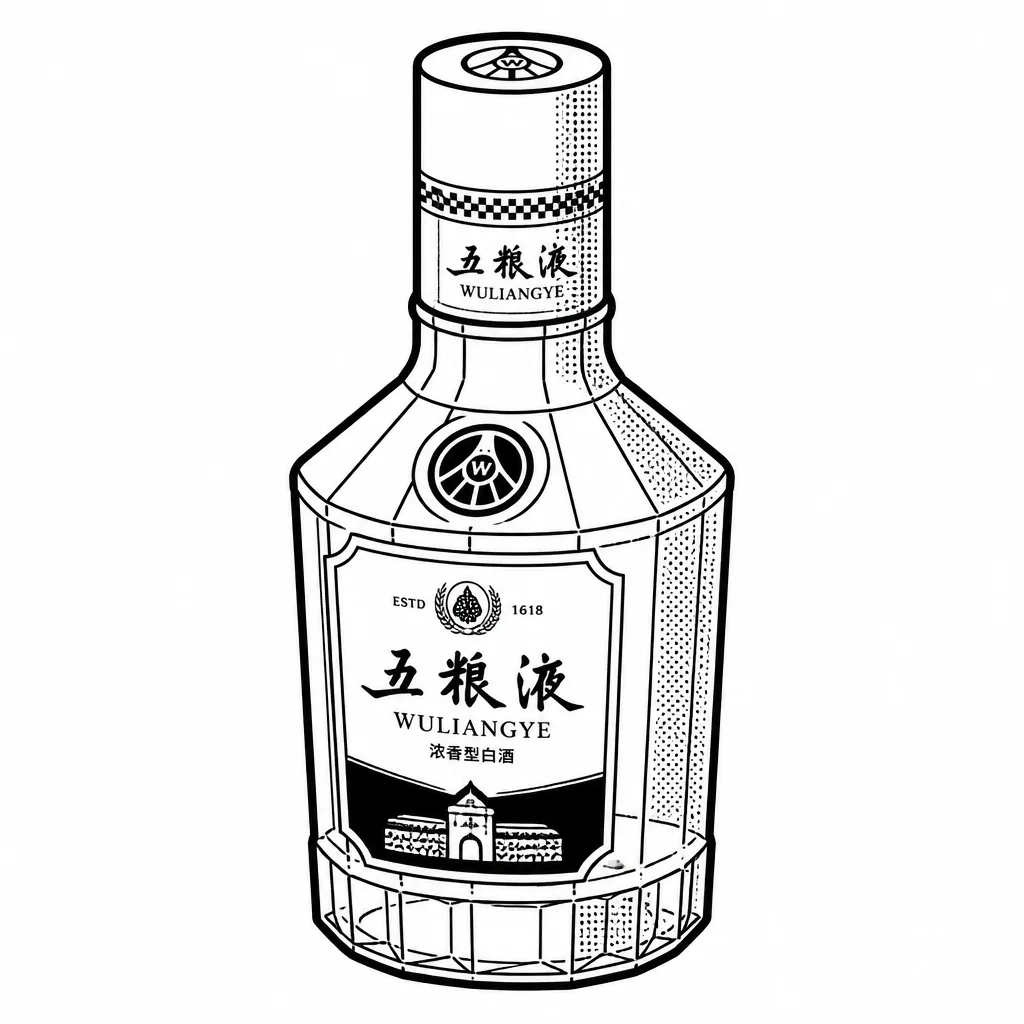
The business runs on a simple and powerful engine: a brand built over centuries. Wuliangye comes from Yibin, a city in Sichuan province, and its name literally means "five grains," referring to the mix of sorghum, rice, glutinous rice, wheat, and corn used in fermentation. That heritage is the moat. When a bottle is given as a gift or poured at a banquet, the buyer is paying for status as much as for the liquid, which is why premium baijiu commands high prices and fat margins. Its main rival is Kweichow Moutai 600519.SS, the most prestigious baijiu brand in China. Moutai's "sauce-aroma" style dominates the ultra-premium tier, while Wuliangye's "strong-aroma" style is its own tradition. Both companies profit from the same dynamic: baijiu is deeply tied to Chinese social customs, and demand for the top brands has stayed strong even when the wider economy slows. Wuliangye also competes with other strong-aroma makers and with younger drinkers drifting toward beer, wine, and cocktails, a slow headwind the whole industry watches.
The company sells through distributors and retail channels across China, and it has pushed to modernize its sales, tighten control over pricing, and grow its premium lineup. Its cash pile is enormous, and it returns a big chunk to shareholders through dividends. The core risk is concentration: almost all of the money comes from Chinese drinkers of one spirit, so anything that dents baijiu's cultural role — a crackdown on lavish official banquets, a weak consumer economy, or a shift in taste — hits the business directly.
Saved answer · last researched 12 Nov 2026