Understand any stock in simple English
Enter a ticker to learn what the company does and how it makes money.
Energisa S.A.
Energisa is a Brazilian utility that distributes, generates, and transmits electricity to homes, businesses, farms, and factories across the country.
Energisa is an electric utility: it delivers the power that lights up homes, runs factories, and keeps farms and shops going across large parts of Brazil. Most of its business is electricity distribution — the local wires and meters that carry power from the national grid to individual customers. It serves millions of people spread across many states, and it also runs power generation plants and transmission lines.
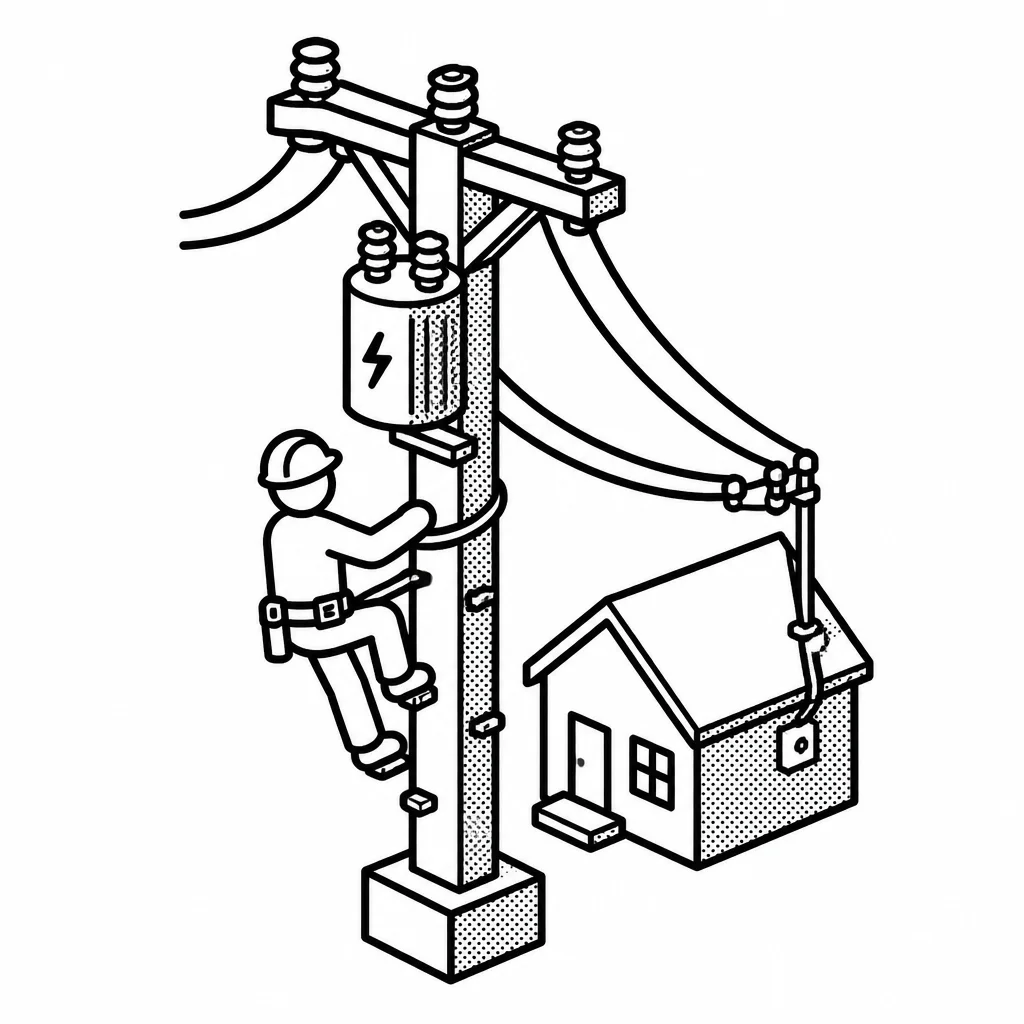
The core of the money machine is simple. Distribution companies earn a regulated return for delivering electricity, and the bill is paid by the people and businesses who use it. Because the company operates under government-set rules, its profits depend less on winning customers than on running its networks efficiently and collecting what it's owed. Energisa's reach across many regions gives it a diversified customer base, but it also exposes it to Brazil's economic swings, power theft, and the weather-dependent challenges of a tropical grid. The company generates and transmits power too, which helps it control more of the electricity chain rather than just the last mile. It has grown heavily through acquisitions of regional power distributors over the years, snapping up state-owned utilities and turning them around. That buy-and-fix strategy is a big part of how Energisa became one of Brazil's largest private electricity groups.
Energisa's shares trade on B3 in São Paulo, and it uses its cash flow to invest in its networks, pay down debt, and return money to shareholders through dividends. Utilities like this are steady rather than flashy: people pay their electricity bills in good times and bad. The risks are mostly regulatory — how much the government lets it charge — plus the cost of keeping the lights on across a huge, uneven country.
Saved answer · last researched 12 Nov 2026