Understand any stock in simple English
Enter a ticker to learn what the company does and how it makes money.
Companhia Energética de Minas Gerais - CEMIG
Cemig generates, transmits, distributes, and sells electricity and gas to millions of customers in Brazil.
Cemig is one of Brazil's largest electric utilities, and its business is built around a simple fact of modern life: people and businesses need power, and someone has to make it, move it across the country, and deliver it to the wall socket. The company runs hydroelectric dams and other power plants that generate electricity, high-voltage lines that carry it long distances, and local wires that bring it into homes and shops, mostly in the state of Minas Gerais. It also sells natural gas through a subsidiary, so it earns money both from the electricity it produces and from the gas it pipes to customers.
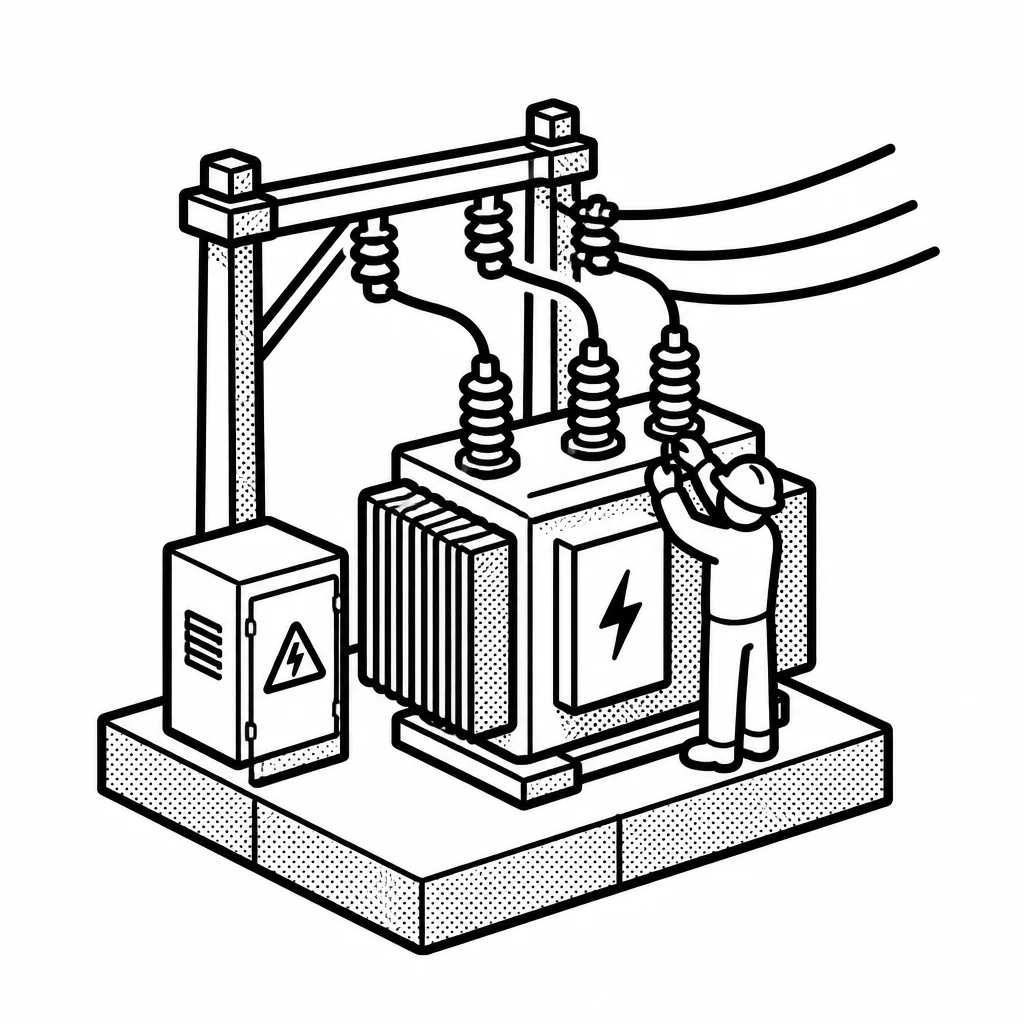
The way it makes money differs by piece of the business. Generating power means selling electricity into Brazil's wholesale market, where prices swing with rainfall and demand. Transmission earns a regulated fee for moving power along its lines. Distribution, the biggest and steadiest piece, is the local monopoly that reads meters and sends bills to millions of residential, commercial, and industrial customers — a business where regulators set the rates and the customer has no alternative wire to plug into. That regulated, recurring revenue is why utilities like Cemig are often seen as steady rather than exciting. Brazil's power sector is heavily regulated, and that cuts both ways. The government decides how much Cemig can charge and how often rates adjust, which can squeeze profits when costs rise faster than allowed tariffs. The company is also exposed to the weather: droughts hit hydro output hard and can force expensive purchases of power on the open market. Cemig has been working through a heavy debt load and has leaned on asset sales and cost cuts to strengthen its balance sheet, while still paying dividends to shareholders — including the state government of Minas Gerais, its controlling owner. That state ownership adds a political dimension, since decisions can be shaped by public priorities as much as pure profit.
Its main competitors are other big Brazilian utilities, such as Eletrobras and Engie Brasil, and it faces pressure from the rise of cheap solar power, as more customers generate their own electricity and buy less from the grid. For a 15-year-old, the easiest way to picture Cemig is as the company that keeps the lights on across a huge chunk of Brazil — collecting steady fees for a service nobody can live without, but doing so under the watchful eye of regulators and the whims of the weather.
Saved answer · last researched 12 Nov 2026