Understand any stock in simple English
Enter a ticker to learn what the company does and how it makes money.
NetLink NBN Trust
NetLink NBN Trust owns and runs the passive fibre network infrastructure that delivers broadband connections to homes and businesses across Singapore.
NetLink NBN Trust is the company behind the physical fibre cables that run into most homes and buildings in Singapore. It does not sell broadband plans to you, and it does not bill you for internet. Instead, it owns the dark, unlit fibre — the raw pipes — and rents access to retail internet providers like Singtel and StarHub, who then sell the actual broadband service to customers. Think of it as the landlord of Singapore's fibre roads: the telcos are the delivery vans that drive on them.
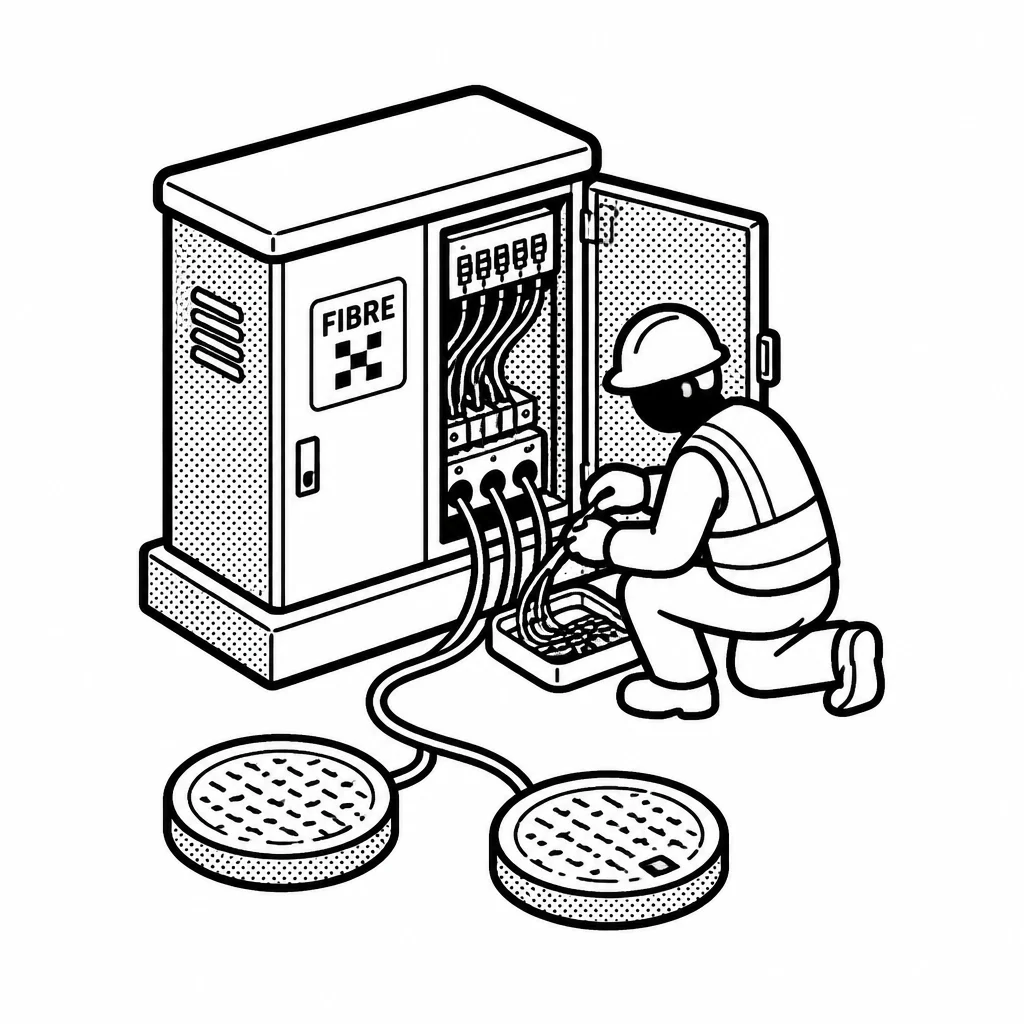
Its main job is straightforward. It designs, builds, owns and maintains the passive fibre network — "passive" meaning the cables and ducts carry light but don't include the electronics that light them up. It connects residential and non-residential premises to this network, and it also handles "NBAP" connections, which link non-building address points such as lamp posts, bus stops, and other street infrastructure. That matters for a country rolling out smart-city technology and sensors everywhere. The money comes from regulated access charges. Because NetLink holds what is effectively a natural monopoly over the island's fibre backbone, the Singapore regulator sets the prices it can charge for connecting and leasing that infrastructure. That gives it remarkably steady, predictable revenue — it earns a fee per connection and per residential or non-residential end-point rather than chasing customers itself. Its customers are the telcos, not households, and they have little choice but to use the network because building a rival fibre grid across Singapore would be enormously expensive and largely pointless.
The business is built for stability rather than growth. Most Singapore homes are already connected, so the number of new fibre lines it adds each year is limited, and its income largely tracks the size of the built environment and the regulated price schedule. It pays out the bulk of its cash flow as distributions to unitholders, which is why income-focused investors own it. The trade-off is real: it is a steady utility-like asset with thin growth, highly sensitive to regulatory decisions on pricing, and vulnerable if the regulator ever changed the rules of the game.
Saved answer · last researched 12 Nov 2026