Understand any stock in simple English
Enter a ticker to learn what the company does and how it makes money.
Computacenter plc
Computacenter buys and installs computer hardware and software for large organizations and then helps run and maintain their IT systems for them.
Computacenter is the company big organizations call when they need someone to handle the plumbing of their computer systems. It sells laptops, servers, networking gear, and software to businesses, government departments, and other large institutions, then helps install all of it and keep it running. Its customers are spread across more than 70 countries, and many of them are the kind of place where thousands of employees need working machines and someone to call when the network goes down.
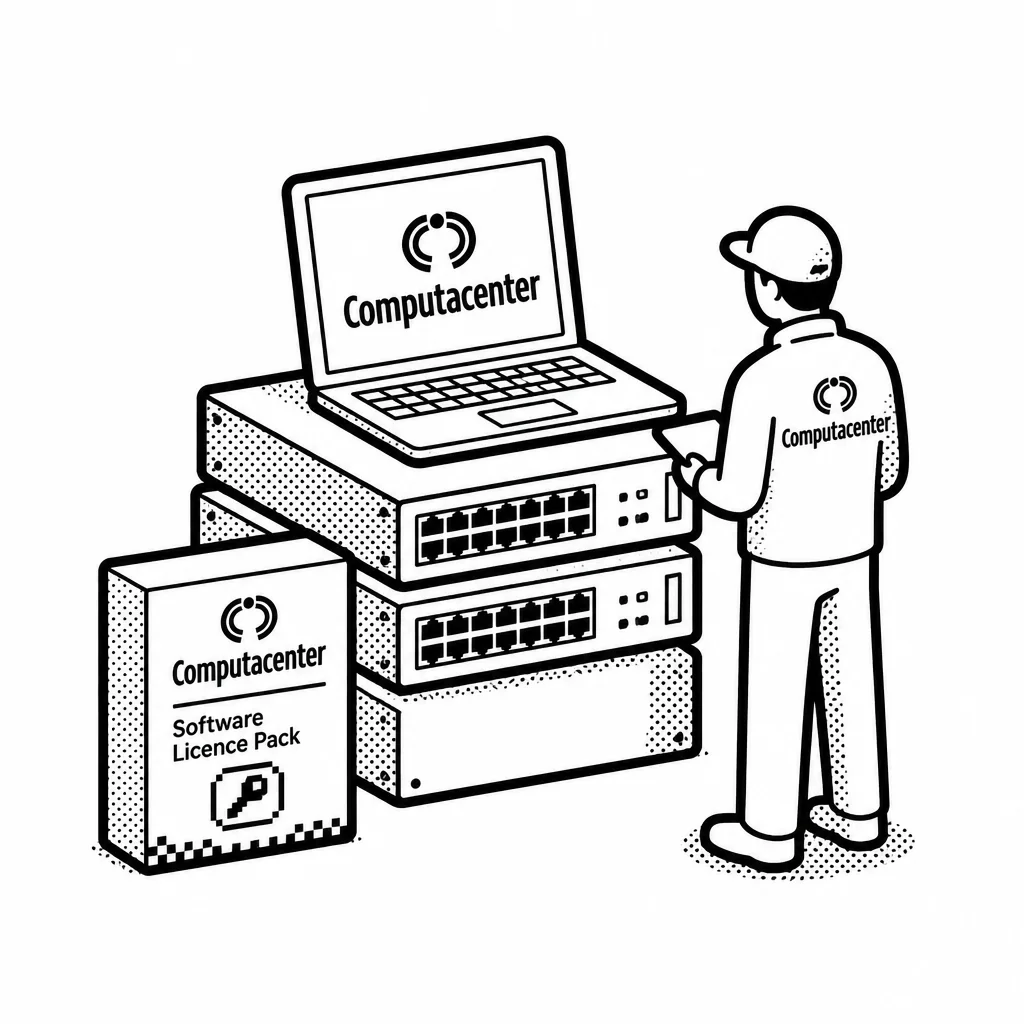
The business has two main halves. The first is technology sourcing: Computacenter acts as a big, knowledgeable buyer of hardware and software, getting products from suppliers like Microsoft, Apple, Cisco, and Dell and passing them on to customers who don't want to negotiate a hundred separate contracts. The second half is services: professional services (designing and installing systems) and managed services (taking over the day-to-day running of a customer's IT, often under a multi-year contract). Services tend to be stickier and higher-margin than simply reselling boxes, which is why the company pushes this side hard. Why do customers pay Computacenter rather than just buying direct? Because buying and running IT at scale is a messy, tedious, specialized job. A bank or a hospital group would rather hand that to a partner that already knows the products, has the engineering staff, and can fix problems fast. The company is headquartered in Hatfield, just north of London, but its revenue comes mostly from outside the UK, with large operations in Germany and France.
Computacenter is not a flashy business. Its core resale work is low-margin and sensitive to the economy — when companies delay big hardware refreshes, sales wobble. It also depends heavily on a handful of large supplier relationships, and its profits can swing with currency moves. Still, it has a long record of generating cash, paying dividends, and buying back shares, and it uses that cash to fund acquisitions and expand its services business rather than sitting on it.
Saved answer · last researched 15 Nov 2026