Understand any stock in simple English
Enter a ticker to learn what the company does and how it makes money.
Apranga APB
Apranga runs clothing store chains that sell fashion brands to shoppers in Lithuania, Latvia and Estonia.
Apranga is the biggest fashion retailer in the Baltics. It runs chains of clothing stores in shopping malls and city high streets across Lithuania, Latvia and Estonia, and it sells to everyday shoppers — people looking for a new jacket, a pair of jeans, or a dress for an occasion.
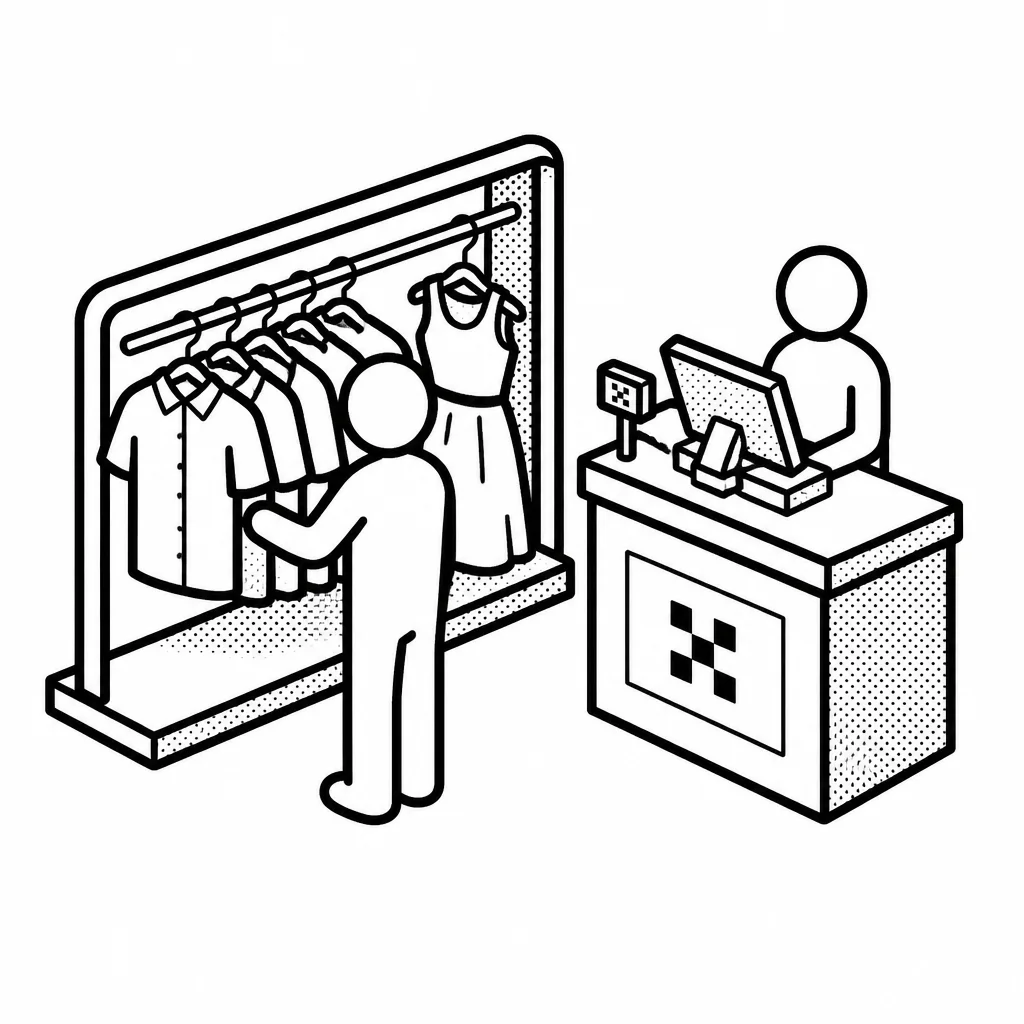
The business works like a bridge between global fashion brands and Baltic shoppers. Apranga opens and operates the stores, hires and trains the staff, manages the stock, and pays the rent, and in return it gets the right to sell brands like Zara, Bershka, Stradivarius, Massimo Dutti and others in its home region. Some of these it runs as franchises, where it pays the brand owner for the right to use the name; others it buys wholesale and resells. The customer pays Apranga at the till, and Apranga keeps the margin between what it pays for the clothes and what it charges, minus the cost of running all those shops. Shoppers choose it mostly because of location and convenience: the stores sit in the malls people already visit, and the brands are ones they recognize. The group operates several hundred stores under different chain names, so it can serve different budgets and styles — fast fashion on one floor, smarter labels on another. That spread helps, because when one brand loses popularity, another can pick up the slack. Its main vulnerability is exactly what makes retail hard: fashion tastes shift fast, leases are fixed costs, and a weak season leaves unsold stock that must be discounted. Online shopping adds pressure too, though Apranga's physical footprint in smaller Baltic cities still gives it reach that pure e-commerce players struggle to match.
Apranga is listed on the Nasdaq Vilnius exchange and is majority-owned by the MG Baltic investment group. It has generally been a steady dividend payer, returning a good chunk of its profits to shareholders rather than hoarding cash, while funding new store openings and refits from its own cash flow. For investors, it is a simple bet on Baltic consumers feeling confident enough to keep buying clothes — a business that lives or dies on footfall, fashion, and the health of the local economy.
Saved answer · last researched 16 Nov 2026
BIG PICTURE
Clothing shoppers in the Baltics spend about 55% of the year's money in the second half
- 55% Share of annual sales in the second half
- 45% Share of annual sales in the first half
Fashion sales here are highly seasonal: on average 55% of the year's turnover lands in the second half, when the back-to-school and pre-Christmas shopping waves hit. That matters for Apranga because most of its money comes from Lithuania, and its stores sit in three Baltic countries with the same calendar. A strong autumn can cover a weak spring. Source: Swedbank, data from 2026
Timeline
A Small Shop in Vilnius
Apranga started in 1945 in Vilnius, Lithuania, selling clothes. For a long time it was a small local business in a country where fashion retail barely existed. Its job was simple: buy clothes people wanted and sell them in stores.
Rimantas Perveneckas Takes Charge
In 1993, Rimantas Perveneckas became the boss. Under him, the company grew from a single store into one of the big fashion retailers in the Baltics, with stores in Lithuania, Latvia, and Estonia.
Apranga Goes Public
A few years later, in 1997, the main company listed its shares on the Nasdaq Vilnius Stock Exchange. That gave it access to outside money and put it in the public eye.
A Deal with Inditex
The big fashion names started to matter. In 2014, Apranga set up a subsidiary to run Massimo Dutti stores in Estonia under an agreement with Inditex, the giant behind Zara. It was a way to bring a world-famous brand into its stores.
A Record Year
The growth kept rolling. In 2025, Apranga Group's retail turnover reached about 372 million euros, up nearly 5 percent, and August alone set an all-time monthly record. The small Vilnius shop had become a serious Baltic retailer.
A New Chairman
In 2026, Vidas Lazickas, a board member since 2011, was elected chairman of the new Supervisory Board. The company had grown up, and now it was handing the top oversight role to a familiar face.