Understand any stock in simple English
Enter a ticker to learn what the company does and how it makes money.
Keppel DC REIT
Keppel DC REIT owns data centers and rents them out to companies that need secure, always-on space for their computer servers.
Keppel DC REIT is a landlord for the internet. It owns buildings packed with servers, cooling systems, and backup power, and it rents space in those buildings to companies that need their computer systems to run every hour of every day. Its tenants range from big cloud providers and hyperscalers to banks, telecoms, and other enterprises that would rather rent a ready-made data center than build one themselves.
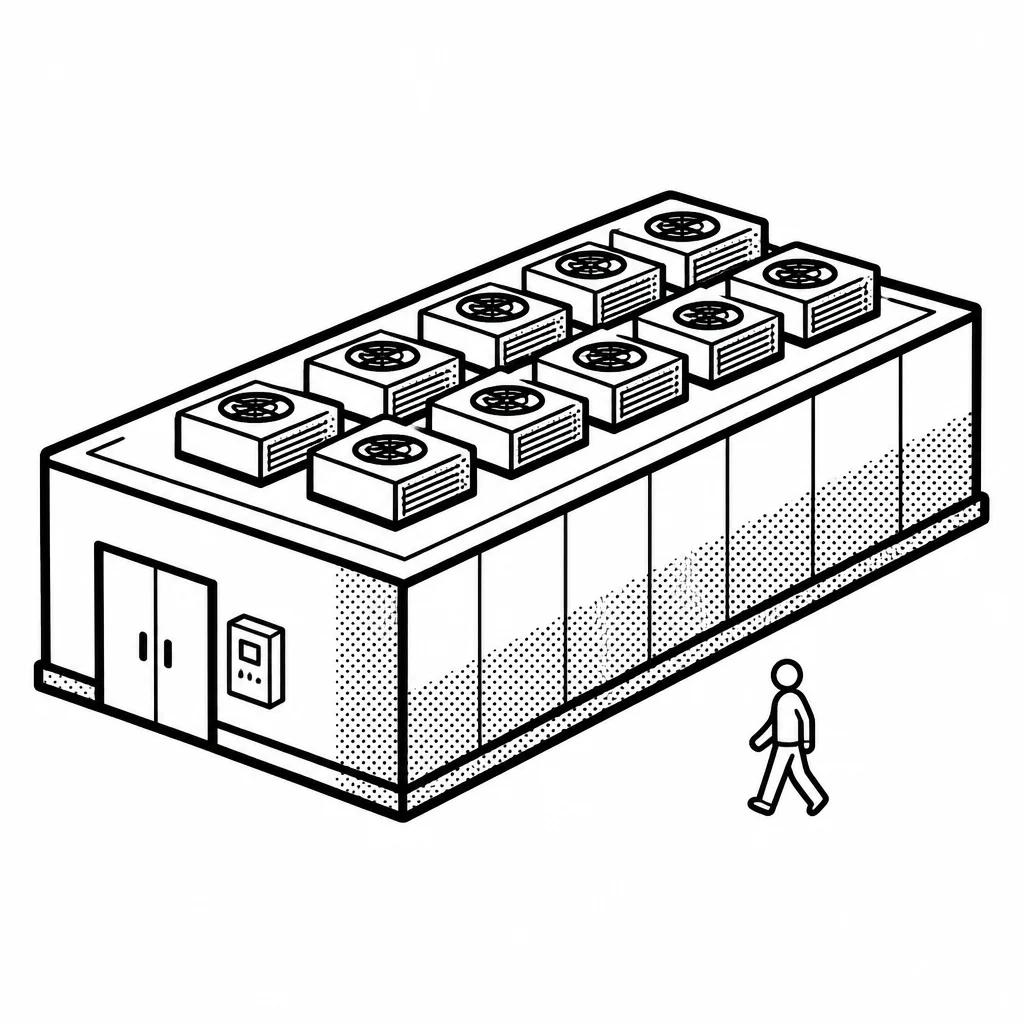
The trust owns two broad types of property. Some are fully fitted colocation facilities, where many customers share a building and rent racks or cages of space, with the landlord handling power, cooling, and security. Others are shell-and-core or fully fitted buildings leased wholesale to a single large tenant, often on long leases. That mix matters: colocation brings in many smaller customers and higher margins per square foot, while wholesale deals bring long, stable rent cheques from a single creditworthy name. The business earns money the way a landlord does, by collecting rent. What makes data centers different from ordinary offices is that tenants care about power capacity, cooling, and connectivity far more than about the view. Once a customer installs its servers and wiring, moving out is painful and expensive, so leases tend to renew and tenants tend to stay. That stickiness, plus long lease terms, gives the trust steady cash flow, and it pays most of that cash out to shareholders as dividends, which is the main reason people own the stock.
Keppel DC REIT is managed by a unit of Keppel, the Singapore conglomerate, and it has grown by buying data centers across Asia-Pacific and Europe rather than only in its home market. The risks are real. Data centers are power-hungry, so electricity costs and the availability of grid capacity shape both costs and where new buildings can go. Big tenants also hold bargaining power, and if a hyperscaler consolidates its footprint or builds its own facilities, a landlord can lose a major customer. Competition from other data center owners and from specialist operators is intense, and rising interest rates make a dividend-paying trust less attractive relative to bonds. For all that, the core pitch is simple: the world keeps producing more data, and someone has to own the buildings where it gets stored and processed.
Saved answer · last researched 12 Nov 2026