Understand any stock in simple English
Enter a ticker to learn what the company does and how it makes money.
adidas AG
Adidas designs and sells athletic shoes, clothing, and accessories to people around the world.
Adidas is one of the world's biggest sportswear companies. It makes sneakers, athletic clothing, and accessories, and sells them to ordinary people who want to look and feel sporty, as well as to serious athletes and sports teams. You have almost certainly seen its three-stripe logo on a football jersey, a running shoe, or a pair of track pants.
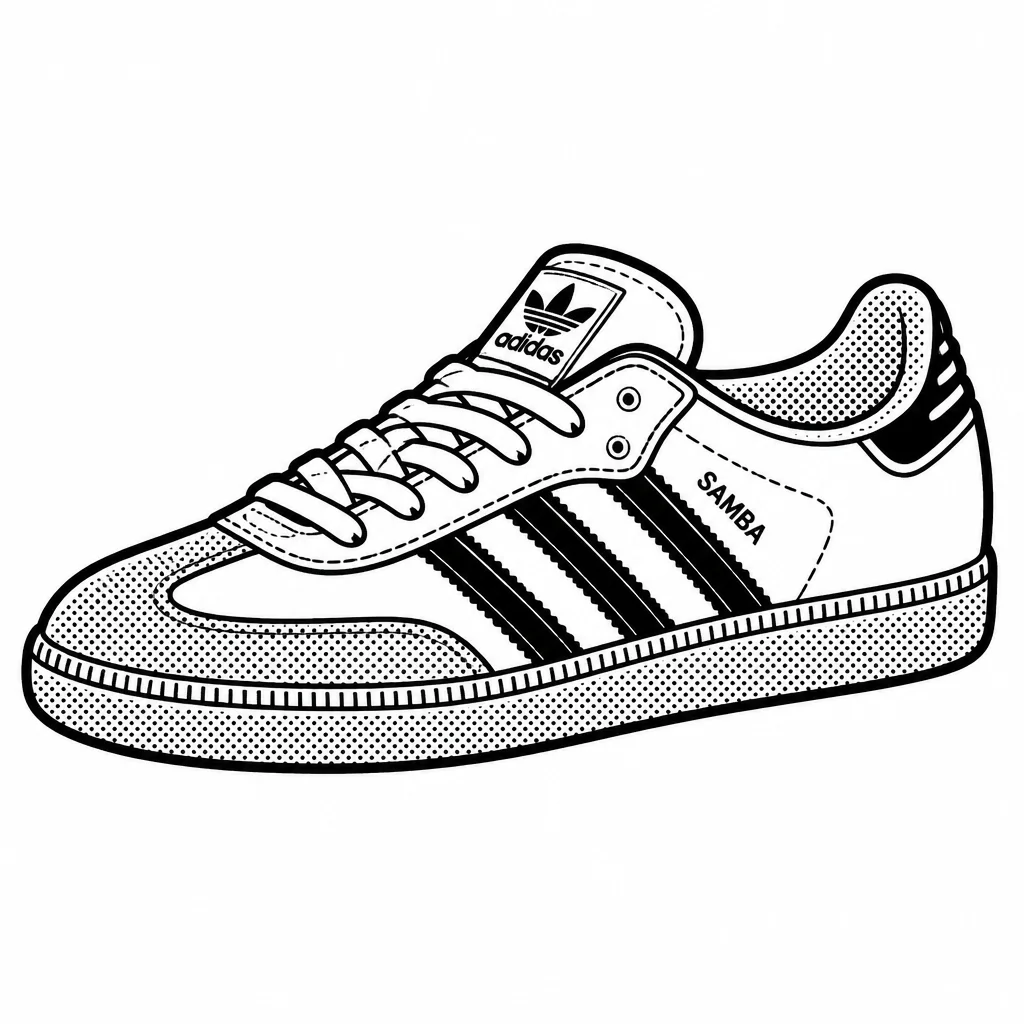
The business is simple at its core: dream up a shoe or a jacket, get it made cheaply in factories mostly in Asia, and sell it at a healthy markup through its own stores, its website, and thousands of retailers worldwide. It also makes money from licensing deals, most famously football kits for major clubs and national teams. The reason a customer picks Adidas over Nike or Puma usually comes down to brand coolness, comfort, and which athletes and celebrities are wearing it. That makes the business partly about shoes and partly about staying culturally relevant, which is a harder thing to control. It is a company with real scars. Adidas was founded in Germany in the 1920s by brothers Adolf and Rudolf Dassler, and the two fell out so badly that Rudolf left and started rival brand Puma — a family feud that shaped the entire sports-shoe industry. More recently, Adidas spent years and a lot of money on a partnership with Kanye West's Yeezy line, which became hugely profitable, then collapsed in 2022 when the company cut ties after his antisemitic remarks. Adidas was left holding piles of unsold Yeezy shoes and had to decide whether to sell them, donate them, or destroy them. It chose to sell them and give a chunk of the proceeds to charity, which softened the financial blow.
Today Adidas is trying to get its mojo back. After a rough stretch where it lost ground to newer running brands, it has leaned hard into retro styles like the Samba and Gazelle, which became surprise fashion hits and helped revive sales. It also remains a giant in football, supplying balls and kits for major tournaments. The company spends heavily on marketing and sponsorships because, in this business, being seen on the right feet and the right pitches is what keeps people buying.
Saved answer · last researched 14 Nov 2026