Understand any stock in simple English
Enter a ticker to learn what the company does and how it makes money.
Agree Realty Corporation
Agree Realty owns and operates net-leased retail properties across all 50 states.
Agree Realty is a landlord, but a very particular kind. It buys free-standing stores and small retail centers, mostly the kind of place where you pull into a parking lot, walk in, buy something, and drive off. Then it rents those buildings to big retail chains on long leases. The tenants pay the property taxes, insurance, and maintenance on top of rent — that's what "net lease" means — so Agree mostly just collects a check each month.
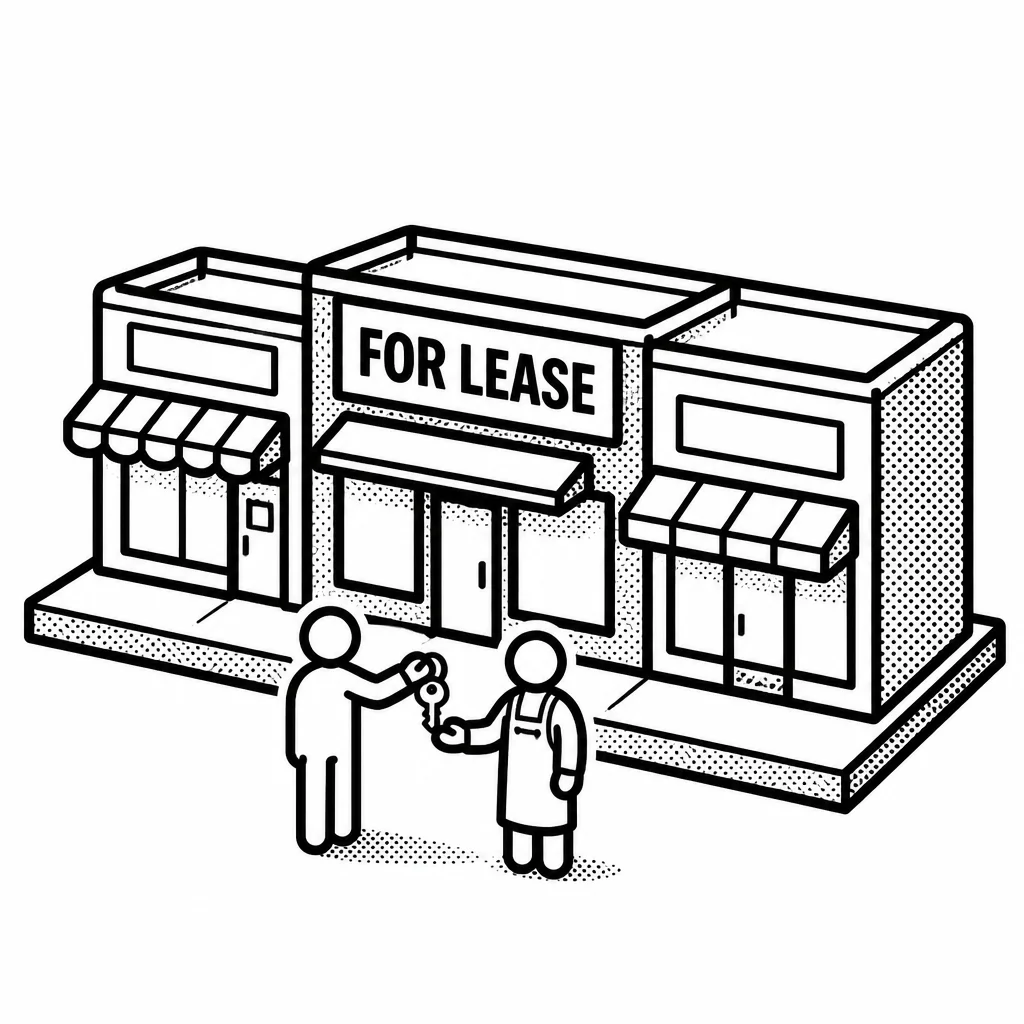
The tenants are the familiar names of everyday shopping: dollar stores, drugstores, grocery chains, discount retailers, auto parts shops, and restaurants. These are businesses that need physical locations even as more shopping moves online, which is exactly why Agree likes them. The company's stated focus is "omni-channel" retailers — chains that sell both in stores and online — because those tenants tend to be healthier and less likely to go bankrupt than pure brick-and-mortar shops. The rent checks are the whole business. Agree earns money from the spread between what it pays to buy a property and the rent it collects over years, and it raises money by selling new shares and borrowing to keep buying more buildings. The engine is simple: buy a property at a decent price, sign a long lease with a creditworthy tenant, and let the rent grow slowly each year through built-in increases. Because the tenants handle the building costs, Agree's cash flow is unusually steady and predictable, which is why it can pay a monthly dividend. It's a real estate investment trust, meaning it must hand most of its taxable income to shareholders as dividends rather than keep it. Investors buy the stock for that income stream, not for explosive growth. There are risks. Net lease is a crowded, competitive field, and Agree competes with much larger players like Realty Income and W. P. Carey, plus private buyers, all chasing similar buildings. Paying up for properties can squeeze returns. And the biggest danger is tenant trouble: if a large retail chain closes stores or goes bankrupt, Agree can be stuck with an empty building that's hard to re-lease. Rising interest rates also hurt, because they make borrowing to buy buildings more expensive and make the dividend less attractive compared with bonds.
Agree has grown steadily by expanding its portfolio and its tenant roster, leaning on its investment-grade balance sheet to keep buying when opportunities appear. It's a patient, methodical business — not flashy, but the kind of company that quietly turns parking lots and storefronts into a stream of rent checks for its shareholders.
Saved answer · last researched 14 Nov 2026