Understand any stock in simple English
Enter a ticker to learn what the company does and how it makes money.
ABB India Limited
ABB India sells electrical equipment and factory automation systems that help businesses run machines, power grids, and buildings more safely and efficiently.
ABB India is an electrification and automation company. It sells the hardware and software that keep factories, power grids, and large buildings running — things like circuit breakers, switchgear, motors, drives, and the control systems that tell machines what to do. Its customers are mostly businesses and utilities, not regular shoppers: manufacturers, power companies, infrastructure builders, and data center operators who need reliable electricity and smooth-running equipment.
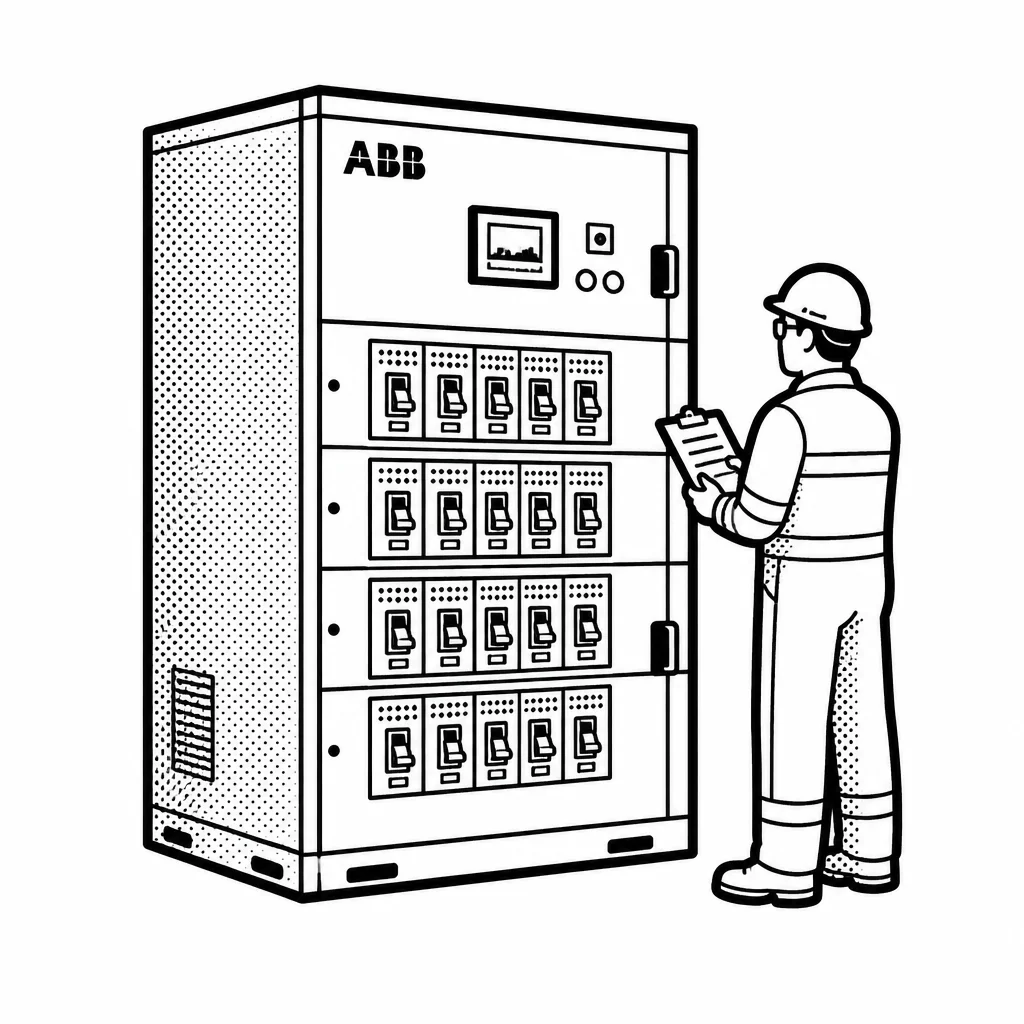
The business splits into two broad halves. Electrification covers the gear that distributes and protects electricity, from the substation down to the socket. Automation covers the brains — robots, drives, and control software that make production lines faster and safer. A car factory might buy ABB's robots and drives; a power utility buys its switchgear and grid equipment. Customers pick ABB because the equipment is rugged, lasts decades, and comes with a service network that can fix problems fast — downtime at a factory or substation is expensive. ABB India is the Indian arm of the giant Swiss-Swedish ABB group, which traces back to 1988 when Sweden's ASEA and Switzerland's Brown Boveri merged. The Indian subsidiary has been listed on Indian exchanges since the 1990s, and its shares have been among the country's best-performing industrial stocks as India spends heavily on power grids and manufacturing. Its main competitors in India include Siemens and Schneider Electric, plus a crowd of local players in lower-end equipment.
The company earns money by selling equipment and then keeping it running through service contracts. India's push to build data centers, expand railways, and modernize its power grid has boosted demand, and the company has invested in new factories to make more of its products locally. It pays dividends and has bought back shares at times, returning cash to investors while still funding growth. The risk is simple: when industrial and government spending slows, orders for big electrical gear dry up too, and the stock — already priced for a lot of optimism — can swing hard.
Saved answer · last researched 12 Nov 2026