Understand any stock in simple English
Enter a ticker to learn what the company does and how it makes money.
NetEase, Inc.
NetEase makes and runs online games, streams music, and sells online learning and internet services, mostly in China.
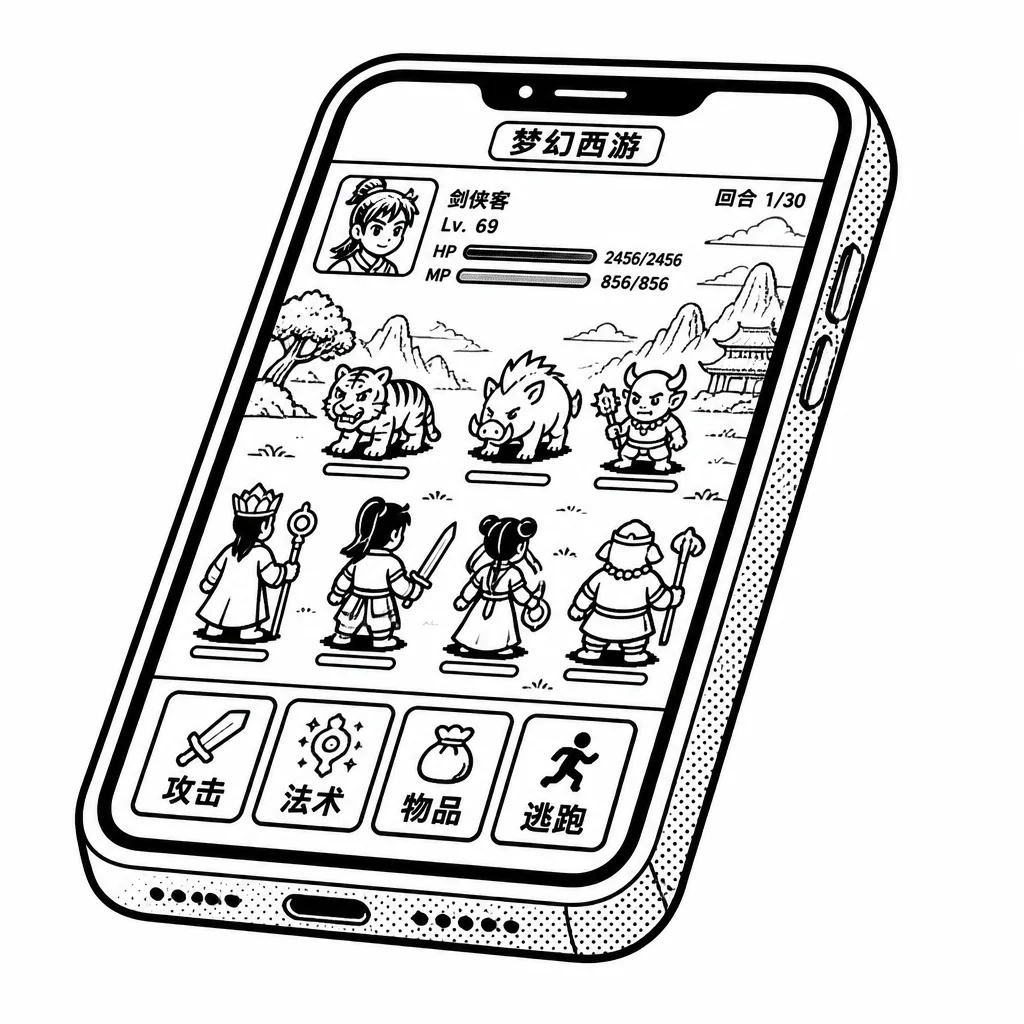
NetEase is one of China's big internet companies, and most people know it for one thing: games. It builds and operates online games — its own titles and games it licenses from partners — and sells virtual items inside them, like costumes, weapons, and perks. Players pay small amounts, often over and over, and that steady drip of in-game spending is the engine behind the business. A single hit game can keep paying for years.
The company is also a serious music business. Its music streaming service lets people listen for free with ads or pay a monthly fee for extras, and NetEase has spent heavily on licensing and building its own catalog. Beyond that, it runs online learning tools and a grab-bag of internet services, including a popular email service and a news and content platform. Games still do the heavy lifting by a wide margin, but the other pieces broaden what the company is. The most interesting part of NetEase is how it stays independent. China's game market is dominated by Tencent, a far larger rival, yet NetEase has held its ground by building its own studios and nurturing its own franchises rather than simply reselling other people's games. It also has a long history of patient investment in game development, which gives it a deep bench of titles and a reputation for quality that keeps players coming back. Its founder, William Ding, started the company in the late 1990s and still runs it — a rarity among China's internet giants, most of which are now managed by hired executives. The risks are real. China's regulators have tightened rules on gaming, especially for minors, and the government has to approve every game before it can be sold, which can delay or kill launches. A crackdown on how much young people can play, and on in-game spending, hits the core money-maker directly. Licensing music is also expensive and competitive, and the online learning market has been whipsawed by regulation. NetEase's fortunes rise and fall with a handful of big games, so a single flop or a single regulatory order can move the stock.
NetEase also runs a smaller but growing business overseas, where it publishes games in Japan, the US, and Europe, and partners with foreign studios. The company has been buying back shares and paying dividends, returning cash to investors. It is, at heart, a Chinese game company that happens to do a lot of other things — and its whole story hinges on whether it can keep turning out games people want to play.
Saved answer · last researched 12 Nov 2026