Understand any stock in simple English
Enter a ticker to learn what the company does and how it makes money.
Konami Group Corporation
Konami makes video games and slot machines, and also runs health clubs in Japan.
Konami is a Japanese entertainment company that most people know for video games. It has been making them since the 1980s, and its name is attached to famous franchises like Metal Gear, Castlevania, and Pro Evolution Soccer. It also publishes games based on other companies' brands, such as Yu-Gi-Oh! trading cards and games, which it licenses and sells worldwide.
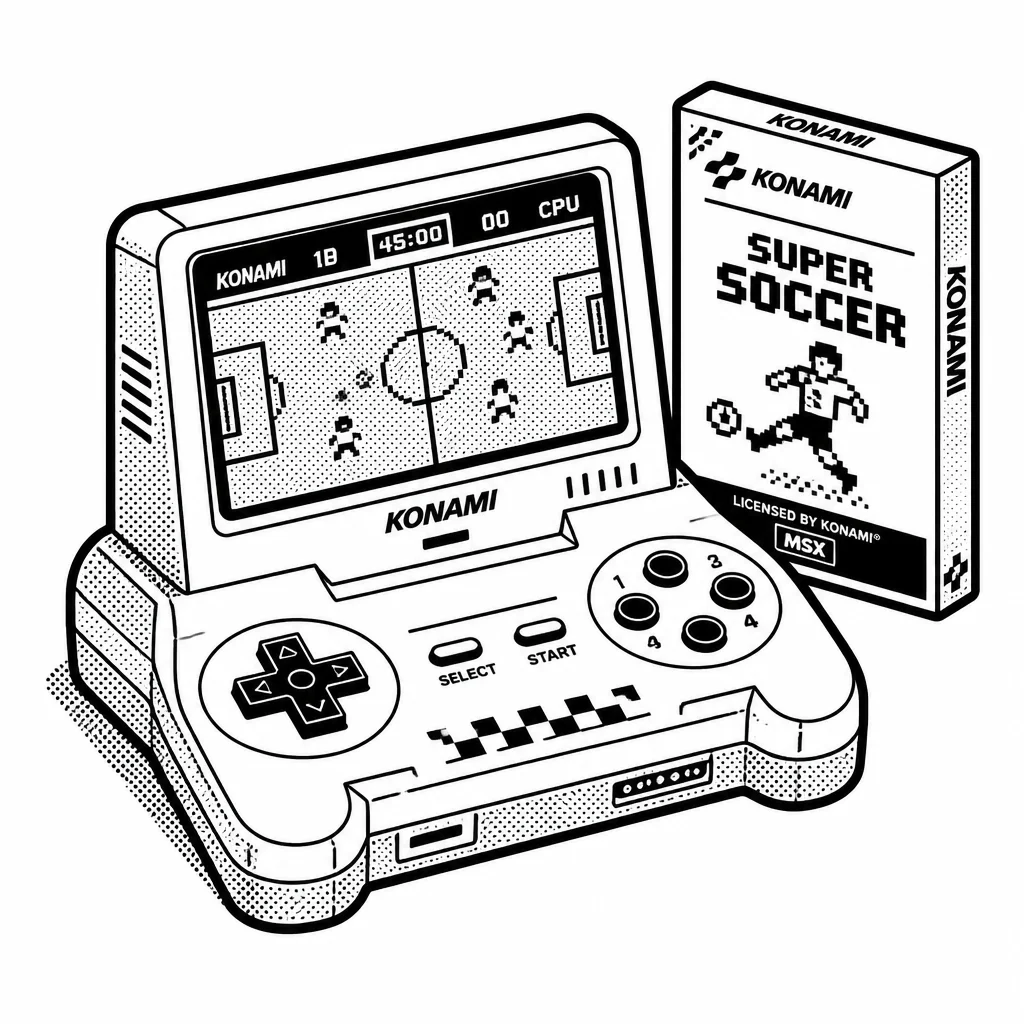
But games are only part of the story. Konami runs two other big businesses. One is gambling machines — slot machines and casino systems that it sells to casinos, mostly in the United States and Australia. The other is health clubs in Japan, where it operates a chain of fitness centers. So the company sits in three very different worlds: video games, casino floors, and gym treadmills. The digital entertainment side is the profit engine. Konami earns money by selling games and in-game items, and it has pushed hard into mobile games, which bring in steady recurring revenue. Its gambling segment sells machines to casinos, a business tied to how much casinos are willing to spend on new floors. The health club business is steadier and more local, but it gives the company a physical presence and a recurring membership stream.
What makes Konami interesting is that its games business is highly profitable and generates lots of cash, which the company uses to fund dividends and buy back shares. But the company has also taken criticism — it has been accused of mishandling its biggest game franchises, and its shift toward mobile and gambling has frustrated some longtime fans. Konami is a company that has learned to make money from its intellectual property in many different ways, even when its core gaming fans are unhappy.
Saved answer · last researched 10 Nov 2026
BIG PICTURE
In Japan's video game market, Konami takes 4 cents of every 100 yen spent, behind Bandai Namco's 7
- 4% Konami Digital Entertainment
- 7% Bandai Namco Entertainment
- 89% Other publishers
Japan is where Konami sells most of its games, and Euromonitor puts its slice of that market at 4%. Bandai Namco holds 7%, so Konami is roughly half the size of its bigger local rival. That gap matters because the home market is where Konami's football and baseball games and its card game business compete hardest. Source: Euromonitor, data from 2026
Timeline
A Repair Shop in Osaka
In 1969, Kagemasa Kozuki started a small business in Toyonaka, Osaka, renting out and repairing jukeboxes. That repair shop was the seed from which a much bigger company would grow.
Konami Industry Is Formed
A few years later, the repair shop became a real company, Konami Industry, with a million yen in capital. It stopped just fixing machines and started building amusement machines for arcades.
From Arcades to Video Games
Soon the company began making and selling video game machines built around microcomputers. This was the turn into video games, the business Konami is famous for.
Listed in Osaka
As the game business grew, Konami listed its shares on the second section of the Osaka exchange. Going public gave it outside money to keep scaling.
Onto the First Section
Four years after that first listing, Konami moved up to the first section of both the Tokyo and Osaka exchanges. The promotion marked its arrival as a major listed Japanese company.
A New Name
The company changed its trade name from Konami Industry to Konami Co., Ltd. The simpler name reflected a shift from an industrial manufacturer to a games and entertainment brand.
Into Fitness
Konami took over People Co. through a friendly tender offer, and it became Konami Sports. This was its entry into health and fitness, a segment that has stayed one of its main pillars.
A Holding Company
Konami split off its digital entertainment business into its own company and turned the parent into a pure holding company. That holding-company structure still organizes the group today.
A New President
Takuya Kozuki became representative director and president in June 2012. The leadership change came shortly after Konami absorbed Hudson Soft's game franchises.
Another Leadership Change
Kimihiko Higashio became representative director and president in April 2020. The change came just before the move to a new headquarters in Ginza.
Konami Group Corporation
Konami Holdings changed its name to Konami Group Corporation. The new name presented the company as a multi-business group spanning games, amusement, gaming and sports.
A Record Year and a Cold Reception
Konami posted record results, with revenue up sharply and net profit above 100 billion yen for the first time. But its guidance for the next year promised only tiny growth, far below what analysts expected, and the stock fell about a quarter from its January high as markets read the outlook as a sign of slowing growth.