Understand any stock in simple English
Genky DrugStores Co., Ltd.
Genky DrugStores runs discount drugstores and food stores across Japan, selling medicine, cosmetics, groceries, and daily goods at low prices.
Genky DrugStores is a Japanese discount store chain. Walk into one of its stores and you'll find shelves of medicine, cosmetics, snacks, groceries, and household basics — a mix closer to a small supermarket than a traditional pharmacy. The company runs these drug and food stores, mostly in regional areas of Japan, and its whole pitch is simple: everyday essentials at prices that undercut the competition.
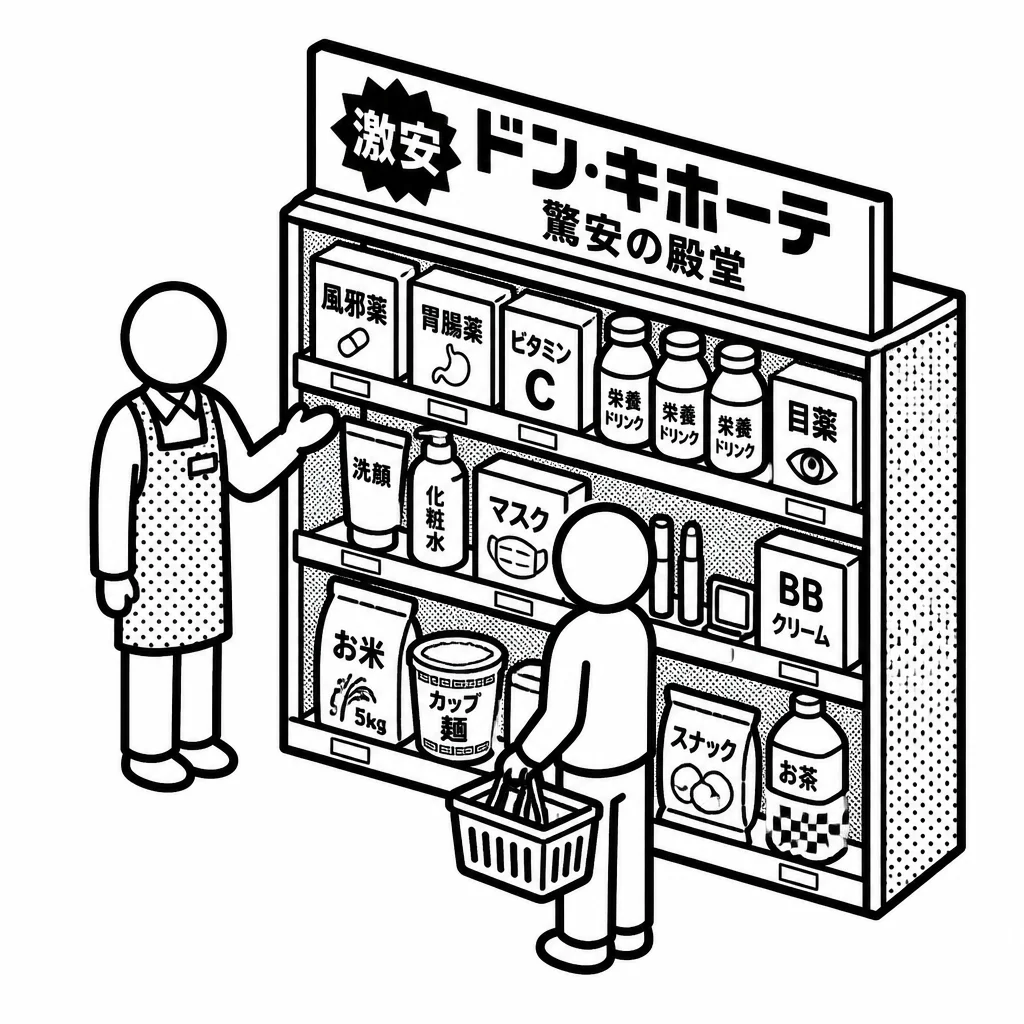
The way it makes money is straightforward retail. Customers walk in, fill a basket, and pay at the register. There's no subscription, no fancy loyalty economy driving the model — just volume. Low prices pull in shoppers, high turnover keeps shelves moving, and thin margins get multiplied across a lot of transactions. Genky's edge comes from running lean operations and clustering stores in regions where it can compete hard against bigger national chains. The Japanese drugstore market is crowded. Genky competes with large listed rivals like Welcia Holdings and Cosmos Pharmaceutical, along with supermarket operators edging into the same turf. What keeps Genky relevant is its focus: it doesn't try to be everything everywhere. It builds density in specific regions, keeps costs down, and leans on the food-plus-pharmacy combination — a format that keeps customers coming back weekly rather than just when they're sick.
Genky is a steady, unglamorous business — the kind that lives or dies on store execution and cost control. It expands by opening new stores and has used its cash to keep growing its footprint rather than chasing flashy moves. The risk is equally plain: in a discount war, the lowest-cost operator wins, and bigger rivals have scale on their side. Genky's bet is that regional focus and disciplined pricing let it hold its ground.
Saved answer · last researched 17 Nov 2026