Understand any stock in simple English
Enter a ticker to learn what the company does and how it makes money.
Mitsubishi Heavy Industries, Ltd.
Mitsubishi Heavy Industries builds heavy machinery and equipment, from power plants and jet engines to ships and defense systems.
Mitsubishi Heavy Industries is one of Japan's biggest industrial conglomerates, a company that makes the enormous machines other businesses and governments rely on. It builds gas turbines and steam turbines for power plants, manufactures aircraft parts and rocket engines, constructs ships and submarines, and supplies defense equipment to Japan's military. When you flip on a light or fly on a plane, there's a decent chance some Mitsubishi Heavy equipment helped make it happen.
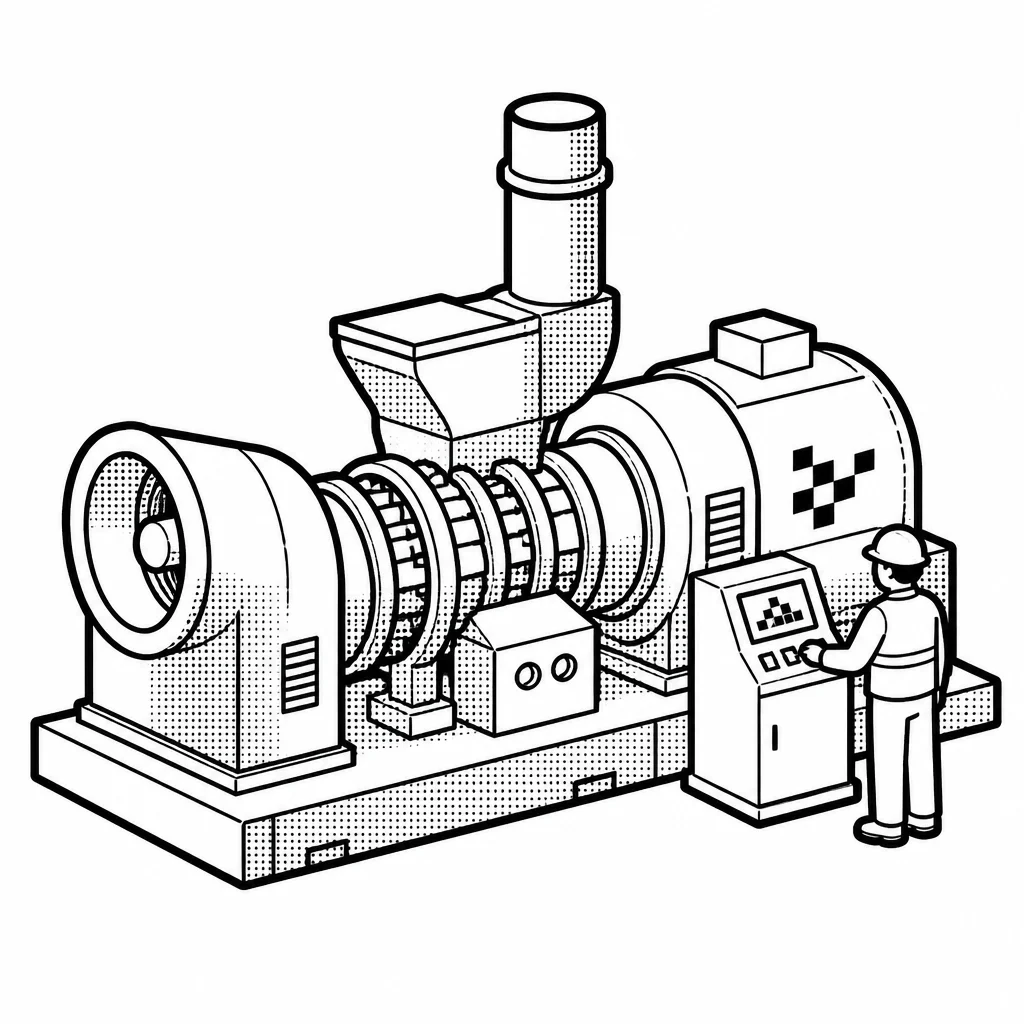
The company's business splits into several major segments. Its power segment makes turbines and boilers for electricity generation, selling to utilities and industrial customers worldwide—this is historically its largest revenue source, though it's been shifting toward cleaner energy. Its aircraft, defense, and space segment builds fighter jet components, missile systems, and rocket engines, largely for the Japanese government. It also makes commercial aircraft parts for Boeing and engines through a joint venture with Pratt & Whitney. Its machinery segment produces forklifts, air conditioning systems, and industrial equipment. And its ships segment builds vessels for both commercial and naval use. Customers choose Mitsubishi Heavy because these are products where reliability matters more than price. A gas turbine that fails costs a utility millions in lost output. A submarine engine that malfunctions is a national security problem. That creates sticky relationships and high barriers to entry—few companies globally can compete at this level. Key rivals include General Electric in power turbines and Rolls-Royce in aircraft engines, though Mitsubishi Heavy often partners with competitors on specific projects rather than fighting them everywhere.
The company has been investing heavily in hydrogen and ammonia as cleaner fuels for power generation, betting that its turbine expertise will transfer to a low-carbon world. It's also expanding in defense, driven by Japan's recent decision to boost military spending. In recent years, Mitsubishi Heavy has worked to improve profitability after struggling with losses in its aircraft and ship segments. It pays dividends and has been buying back shares to return cash to investors, though it remains capital-intensive—building factories and developing new engines eats up a lot of cash before any payoff arrives.
Saved answer · last researched 8 Nov 2026