Understand any stock in simple English
Enter a ticker to learn what the company does and how it makes money.
Proya Cosmetics Co., Ltd.
Proya makes and sells skincare, makeup, and fragrance products to Chinese consumers, mostly under its flagship PROYA brand.
Proya is one of China's biggest homegrown beauty companies. It sells skincare, makeup, cleansers, and aromatherapy products to everyday consumers, mostly women in their twenties and thirties, through online stores and retail shops across the country. Its flagship brand, PROYA, is the workhorse — the name most shoppers recognize on a jar of face cream or a bottle of serum.
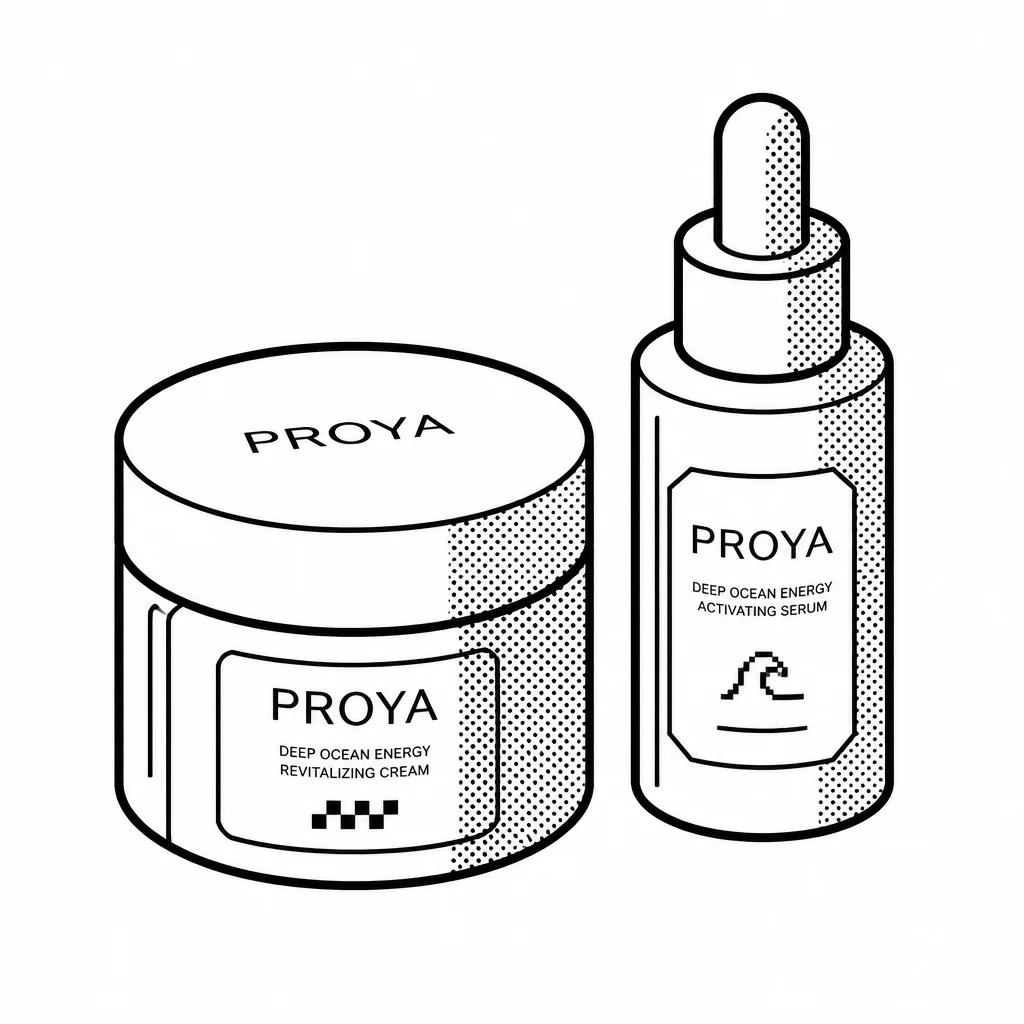
The business runs on a simple loop: invent or source formulas, build brands people trust, and sell them hard through e-commerce platforms like Tmall and Douyin (the Chinese version of TikTok) as well as department stores and specialty beauty shops. China's beauty market is huge and crowded, with global giants like L'Oréal and Estée Lauder fighting for shelf space alongside local rivals. Proya's edge is that it understands Chinese skin, Chinese trends, and Chinese social media better than the foreign brands do — and it prices its products at a level that feels affordable but still aspirational. The company has leaned heavily into "big single products" — hero items like its anti-aging serums that go viral and pull customers into the rest of the lineup. It spends aggressively on marketing and live-streaming sales, which is both its engine and its risk: beauty trends move fast, and a brand that misses a trend can lose shelf space quickly.
Proya is headquartered in Hangzhou, the eastern Chinese city that is also home to Alibaba, which helps explain its e-commerce DNA. It listed on the Shanghai Stock Exchange in 2017. The company has been one of the stronger performers among Chinese consumer stocks, though investors watch closely whether it can keep growing as the domestic beauty market matures and competition from both foreign and local brands intensifies.
Saved answer · last researched 15 Nov 2026