Understand any stock in simple English
Xizang Tianlu Co., Ltd.
Xizang Tianlu builds roads and infrastructure, makes cement and building materials, and explores for minerals in Tibet and western China.
Xizang Tianlu is a builder and materials supplier in one of the hardest places on Earth to build anything: the Tibetan Plateau. The company constructs roads, bridges, and other engineering projects, and it produces the cement and building materials those projects need. It also explores for minerals in the region. So it is a rare combination — the contractor pouring the concrete and the company selling the concrete.
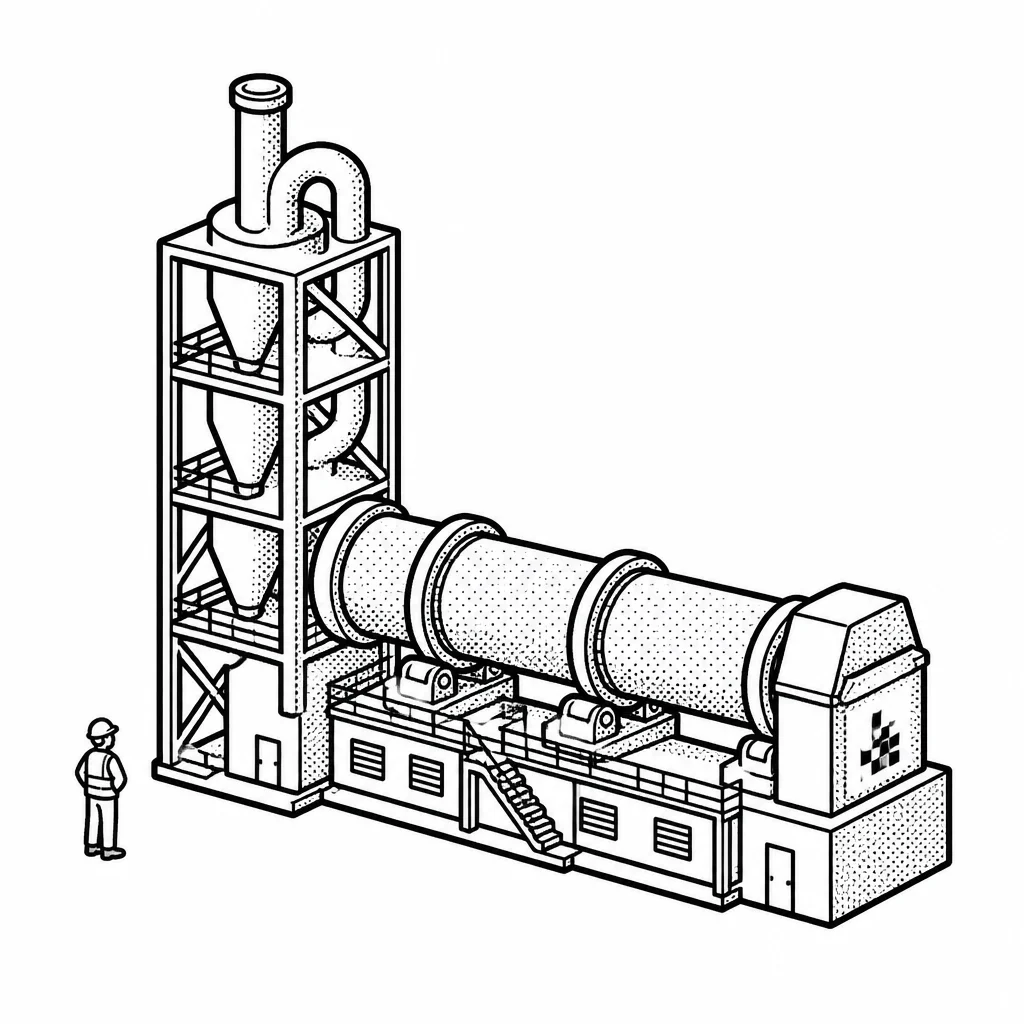
The business logic is simple. Tibet sits at extreme altitude, with thin air, brutal winters, and long distances from factories and ports. Hauling cement thousands of kilometers from inland China is expensive, so a local producer has a real edge. Tianlu's home turf in the Tibet Autonomous Region gives it a natural moat: it knows the terrain, it has the permits, and it sits close to the work. Government spending on roads and infrastructure in western China is the tide that lifts the whole business. The push into mineral exploration is the wildcard. Tibet holds meaningful deposits of copper, lithium, and other metals, and China is hungry for all of them — for batteries, power grids, and industry. Exploration is high-risk, high-reward: most holes drilled find nothing, but a good find can be worth far more than a construction contract. That makes this a company with one steady leg and one speculative leg.
The risks are real. Construction and cement are cyclical, tied to government budgets and the pace of building, and cement prices are notoriously tough to control. Tianlu is also small and regional, so a slowdown in Tibet hits it harder than it would hit a national giant. Investors should see it for what it is: a small local champion of building on the roof of the world, with a lottery ticket in minerals attached.
Saved answer · last researched 22 Nov 2026
BIG PICTURE
Xizang Tianlu's stock has fallen 56.64% over the past year as the cement maker swings to losses
- 56.6% One-year price decline
- 43.4% Remaining value of the stock
Shares of the Tibet-focused road builder and cement maker are down 56.64% from a year ago, and the company's nine-month figures show why: sales fell to 2,082.83 million yuan from 2,412.68 million, and it posted a net loss of 63.49 million yuan. The stock closed at 4.96 yuan, its 52-week low. Source: Stock Analysis, data from 2026
Timeline
Tibet Engineering Builds a Road Company
Tibet needed roads, and the people who knew how to build them had been doing it since 1959 under the region's Highway Engineering Bureau. In 1999, Tibet Engineering and several other state firms turned that know-how into a proper company, Xizang Tianlu, to build highway infrastructure across the Tibet Autonomous Region. The founding idea was simple: take decades of road-building experience and give it a business of its own.
Tianlu Lists in Shanghai
Two years later, the company sold shares to the public on the Shanghai Stock Exchange, raising money to keep building. Going public gave a regional road contractor a national doorway to capital.
A Copper Mine Changes the Business
Then came a bigger leap. In 2007 the company restructured and took control of exploring and developing the Chongjiang Copper Mine, moving beyond roads into mineral resources. A road builder was now also a miner, a shift that would matter a lot later.
New Leaders at the Top
Leadership changed hands over the years. Chairman Nima Tashi left in September 2023, and Donzhu Langjia took the chair that year. Later, in August 2025, Gang Meng became Chief Executive Officer, putting a new team in charge as the company's mix of businesses kept shifting.
A Smaller Loss, New Profit Engines
By 2025 the bet on materials was paying off. Revenue rose about 13% to 3.55 billion yuan and the net loss shrank by nearly half, to 56.8 million yuan. Building materials was the only profitable main segment, lifted by key national projects, while construction losses widened. Investment gains, including selling PowerChina shares, and a new push into distributed solar power became fresh sources of profit.