Understand any stock in simple English
Enter a ticker to learn what the company does and how it makes money.
West China Cement Limited
West China Cement makes and sells cement, clinker, aggregates, and concrete for construction projects in China and Africa.
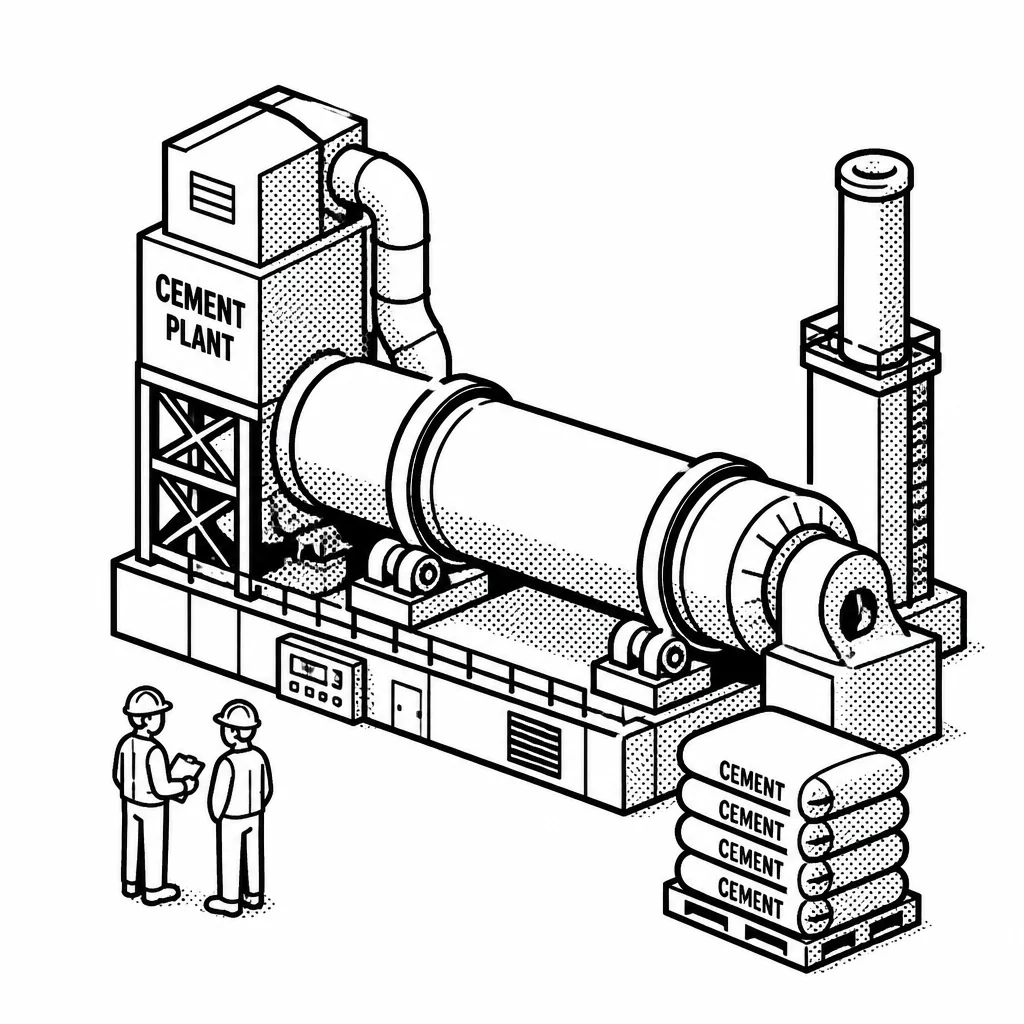
West China Cement makes the stuff that holds buildings and roads together. Its plants turn limestone and other raw materials into cement and clinker — the powdery, rock-hard ingredient that gives concrete its strength — and it also sells aggregates (crushed stone and sand) and ready-mixed concrete. Construction companies, infrastructure builders, and concrete producers buy from it. The appeal is simple: cement is heavy and cheap, so shipping it far rarely makes sense. If you are pouring a bridge or building an apartment block nearby, you buy from the closest plant, which gives local producers real pricing power.
The company got its start in Shaanxi province in central China and grew into one of the country's larger cement makers. For years the big story was China's building boom: highways, railways, dams, and apartment towers swallowing enormous volumes of cement. That boom has cooled, and China's cement industry now suffers from too much factory capacity chasing too little demand. That oversupply keeps prices weak and margins thin, which is the core problem for every Chinese cement producer, West China Cement included. Africa is the growth bet. The company has invested in cement plants in countries such as Ethiopia, Mozambique, and Uganda, where cities are being built out and demand for cement is rising fast. The logic is that China's construction market is maturing while Africa's is young. One notable deal: the Swiss building-materials giant Holcim agreed to sell its Lafarge Zambia business to West China Cement in a roughly $150 million transaction, adding a Zambian plant to the African footprint. Building and running plants abroad, though, brings its own risks — currency swings, politics, and the grind of operating far from home.
The business is capital-hungry and cyclical. Cement plants cost a fortune to build and run, and profits swing with construction activity and energy prices, since coal and power are huge costs. When times are good the company generates cash to fund new plants and pay dividends; when Chinese demand sags, that same fixed cost base can squeeze hard. West China Cement is essentially a bet on two things at once: a mature, oversupplied Chinese market and a young, growing African one.
Saved answer · last researched 14 Nov 2026