Understand any stock in simple English
Enter a ticker to learn what the company does and how it makes money.
China CSSC Holdings Limited
It builds giant ships — everything from oil tankers to aircraft carriers — for navies and shipping companies around the world.
China CSSC Holdings is one of the world's largest shipbuilders. It builds the enormous steel vessels that carry the world's goods across oceans — oil tankers, container ships, bulk carriers that haul coal and iron ore — and it also builds warships for the Chinese navy. When you see a massive cargo ship sliding out of a Chinese shipyard, there's a good chance this company's yards built it.
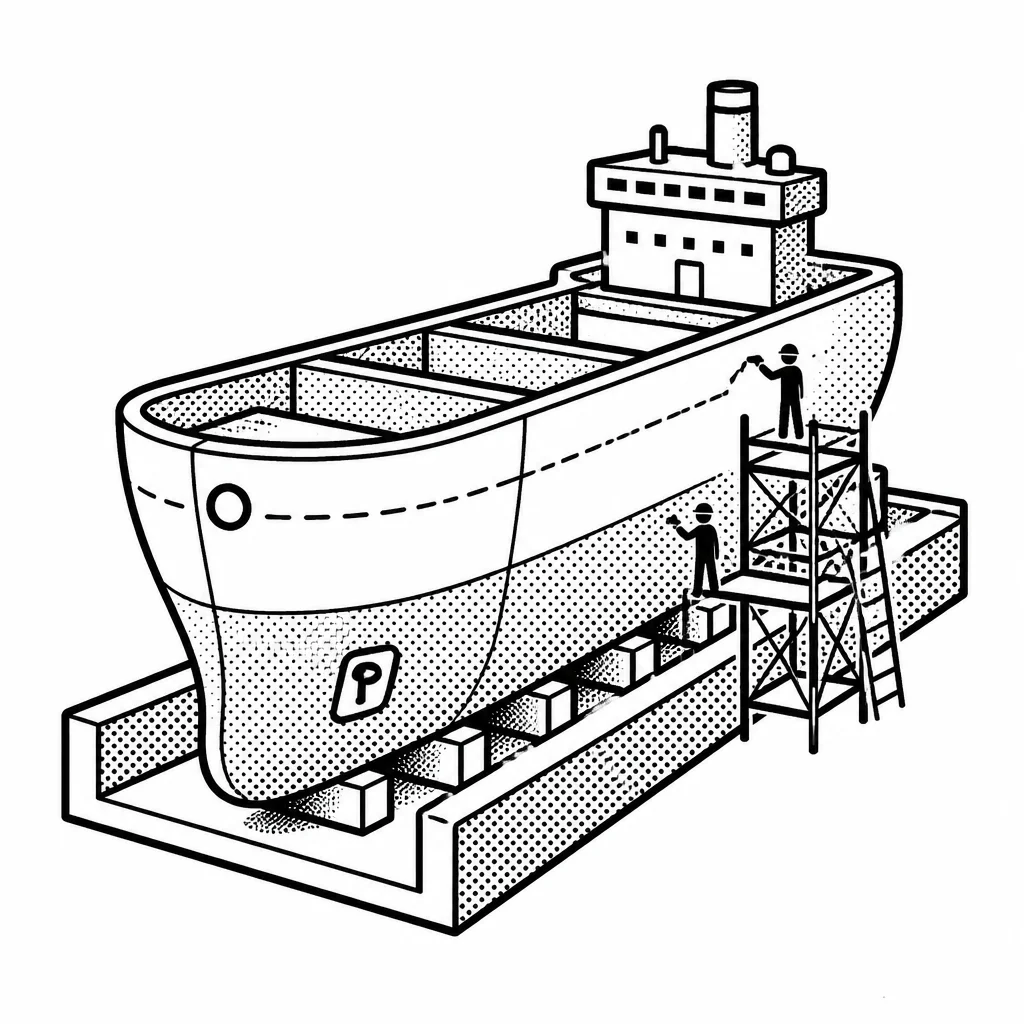
The business runs through shipyards along China's coast. Customers are shipping lines, oil companies, and governments that order vessels years in advance, paying in stages as steel is cut and hulls are welded. The company also makes marine engines, propellers, and other heavy equipment that go into those ships, so it captures more of the value than a pure assembler would. Shipbuilding is a brutal, cyclical business: yards compete fiercely on price, steel costs swing, and a slump in global trade can leave order books thin for years. Here's the twist that makes this company unusual. In 2024, its parent, China State Shipbuilding Corporation, merged the listed company with a giant sister shipbuilder called China Shipbuilding Industry Company — a deal worth tens of billions of dollars that consolidated much of China's shipbuilding into one listed entity. That mattered because China has been steadily grabbing market share from Hyundai Heavy Industries and other Korean yards, and the combined company is now the biggest shipbuilder on the planet by orders. It is majority state-owned, so its fortunes are tied closely to Beijing's industrial policy and its plan to dominate global shipbuilding.
The industry itself is in an upswing. Global ship orders surged after 2021 as aging fleets needed replacement and new rules pushed cleaner fuels, and Chinese yards won the lion's share of that wave. That has filled order books for years and lifted profits after a long stretch of losses. The risks are just as real: shipbuilding is a race to the bottom on price, Chinese overcapacity has angered foreign competitors, and a global recession or a slowdown in trade would hit new orders hard. For now, though, the company sits at the center of a business that literally moves the world's economy — one steel hull at a time.
Saved answer · last researched 9 Nov 2026