Understand any stock in simple English
Toyo Shutter Co., Ltd.
Toyo Shutter makes, sells, and installs shutters, steel doors, and other building hardware for Japanese homes and buildings.
Toyo Shutter is a Japanese maker of the things that close up a building: rolling shutters, steel doors, and the metal fittings and building materials that go around them. If you walk past a shopfront in Japan and see a corrugated metal curtain that rolls down at closing time, there's a decent chance a company like this one made it. The company doesn't just manufacture these products — it also sells and installs them, which means it deals directly with the builders, architects, and property owners who need a reliable way to lock up, block out weather, and secure a space.
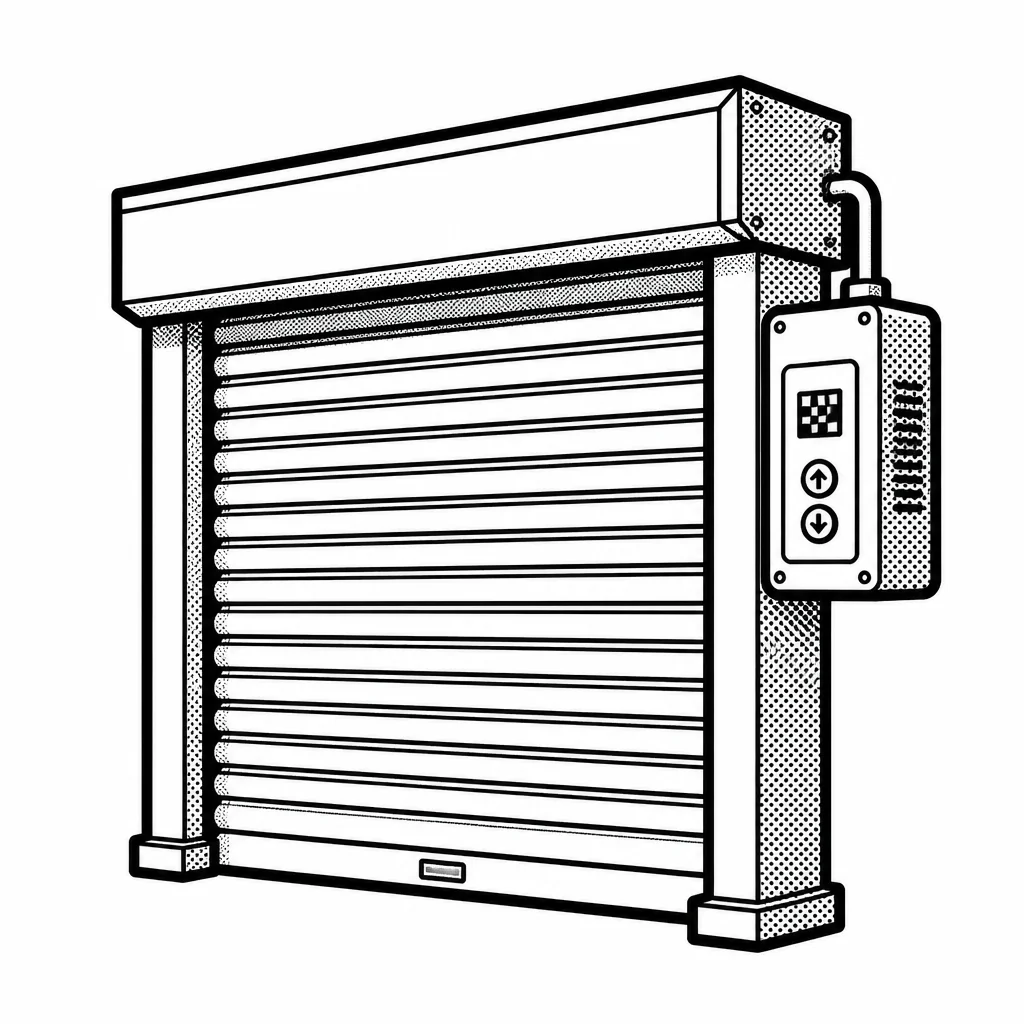
The business is built on a simple, physical need. Every building has openings — doors, windows, storefronts, loading docks — and each opening needs something that can be shut, locked, and protected. Toyo Shutter sells the hardware that does that job, and because these are installed products rather than disposable goods, the company also picks up recurring work in maintenance, repair, and replacement over the life of a building. What makes this kind of company interesting is how tied it is to construction activity in Japan. When new buildings go up or old ones get renovated, demand for shutters and steel doors rises with it. That makes Toyo Shutter a quiet, unglamorous supplier to the building trade rather than a household name — customers are contractors and property owners, not shoppers. Its edge comes from being an established, trusted name with installation crews and a product range that covers many parts of a building project.
The company is listed on the Tokyo Stock Exchange, which means investors can buy a slice of this steady, practical business. It is the kind of firm that rarely makes headlines but keeps the physical world working — the metal that comes down at night so the shop behind it is safe until morning.
Saved answer · last researched 20 Nov 2026
BIG PICTURE
Japan's third-biggest shutter maker leans on heavy shutters for 30% of sales
- 30% Heavy-duty shutters
- 70% Light shutters, steel doors, repairs and other building gear
Heavy-duty shutters made up 30% of Toyo Shutter's sales in the year to March 2026, more than any other product line. These are the big shutters for commercial buildings, factories and warehouses, and the company says this is where it is strongest. Light shutters for homes added 12%, so the money comes mostly from buildings, not houses. Source: Yahoo! Finance Japan company profile, data from 2026
Timeline
A Small Start in Osaka
In 1955, a small company opened in Osaka with one job: selling lightweight shutters. Two years later it built its own factory and started making what it sold, turning a sales business into a manufacturer. That move from middleman to maker is the seed of everything that follows.
Going Public on Two Exchanges
By 1975 the company was big enough to list its shares on the Osaka Stock Exchange. Over the next decade and a half it grew into a serious public company, and in 1989 it joined the Tokyo exchange and was promoted to the top tier on both exchanges in the same year.
Merging Its Way Into New Products
In 1987 the company merged with Japan Shutter Manufacturing, picking up branches and factories across Kyushu and a new production base. More mergers followed soon after, adding building materials and steel doors to the lineup. Each deal widened what the company could sell and where it could sell it.
A Rebuilding Plan
By 2002 the company needed a formal turnaround plan under Japan's private-sector restructuring rules, and it closed two subsidiaries that year. A four-year plan nicknamed Phoenix followed, and the name was the point: the company was trying to rise again from a hard place.
The Price-Fixing Case
In 2010 Japan's fair trade watchdog hit the company with penalties for fixing prices on shutters and for coordinating orders in the Kinki region, and the company paid. The fight did not end there. Appeals dragged on for years, and the case would cast a long shadow over the company's reputation.
A German Partner Steps In
In 2011 a German group, Hörmann, took a stake through a private share placement and became the company's top shareholder. The two agreed to work together on capital and business. For a company still recovering from its turnaround, having a strong foreign partner at the top of the shareholder list was a big change.
A New Market and a New Plan
When Tokyo's exchange reshuffled its market tiers in 2022, the company moved to the Standard market. It also launched a fresh three-year plan and brought out a fire-resistant, soundproof, ventilated door called TS Bench Tight. The message was simple: rebuild the core and add products that solve real building problems.
A Five-Year Plan to Advance
In 2025 the company set out a five-year plan with clear targets for the year ending March 2030: higher sales, solid operating profit, and a return on equity of ten percent. It pointed to products that work in any setting and to its maintenance business as the engines of growth.
Maintenance Becomes a Bright Spot
The maintenance service business hit a record. Yet fierce competition for shutter orders pushed operating profit down, a reminder that the core market stays tough. One of its growth products, a watertight shutter, was picked for a national infrastructure resilience casebook, a small sign that the new strategy is finding real-world use.