Understand any stock in simple English
Enter a ticker to learn what the company does and how it makes money.
Jabal Omar Development Company
Jabal Omar develops hotels, shopping centers, and homes in Mecca, mostly for pilgrims visiting the holy sites.
Jabal Omar is a real estate developer working in the heart of Mecca. It is building a huge mixed-use district of hotels, shops, and homes literally across the street from the Grand Mosque, where millions of pilgrims arrive every year for Hajj and Umrah.
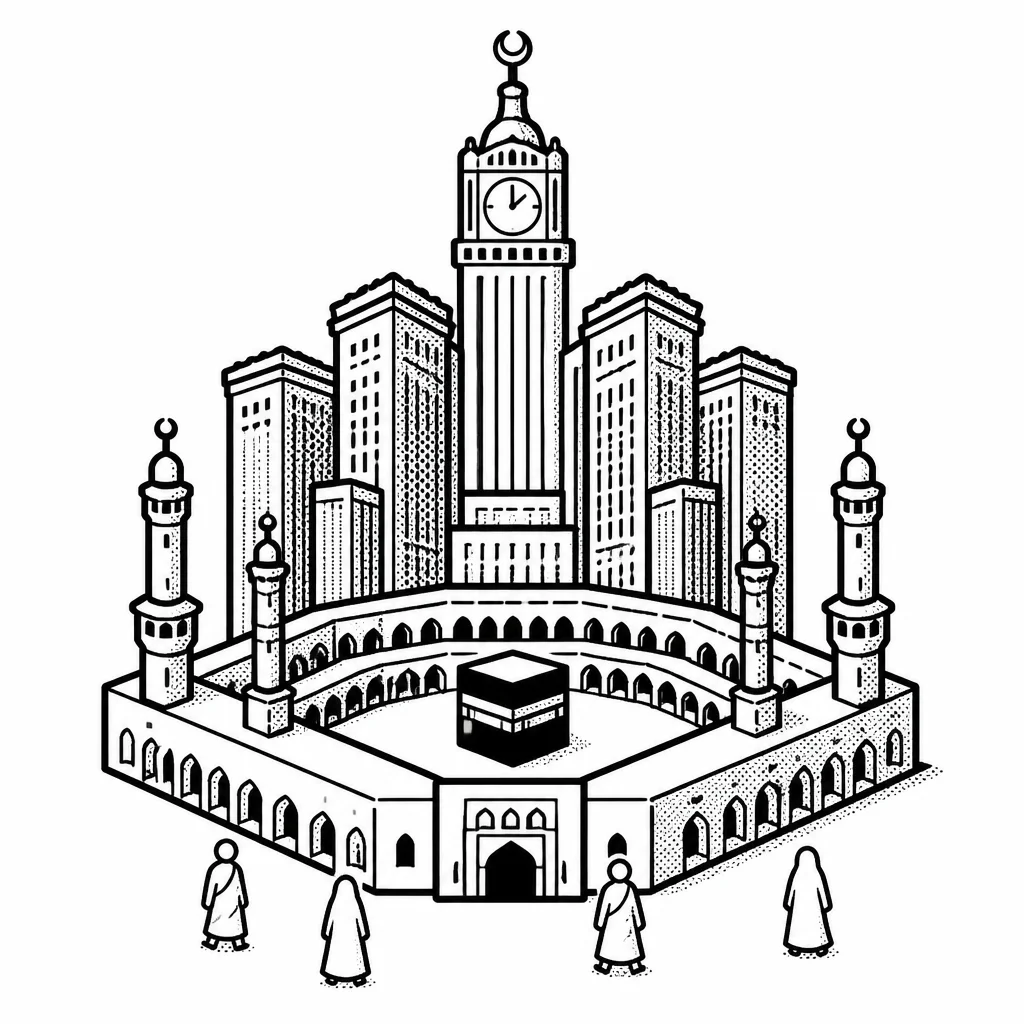
That location is the whole business. The holiest site in Islam sits in Mecca, and pilgrims who make the trip need somewhere to sleep, eat, and shop. Jabal Omar owns and develops land close enough to walk to the mosque, then builds towers full of hotel rooms and retail space on it. Travelers pay to stay and to buy things; the company earns money from selling and leasing parts of the development and from hospitality operations. Because demand is tied to the religious pilgrimage cycle rather than the wider economy, the business rises and falls with visitor numbers — and the Saudi government has been pushing hard to attract far more pilgrims as part of its Vision 2030 plan. The company's history has some drama. It grew fast on the idea of the mega-project but hit a serious cash crunch around 2016-2017, when a slump in oil prices and slowing pilgrim traffic left it struggling to finish construction and pay its debts. It restructured, and the bigger Saudi sovereign wealth fund and state-linked banks stepped in as key backers, giving it breathing room to keep building. Today it is still in build-out mode, with several hotel towers opened and more under construction.
What makes it strong is that land across from the Grand Mosque is essentially irreplaceable — nobody can build more of it. That gives Jabal Omar real pricing power in a market that is structurally under-supplied. The flip side: it is a heavy borrower with a long construction pipeline, and it depends heavily on pilgrim volumes controlled by government policy. It is a bet on Mecca itself, in the middle of the busiest religious tourism site on Earth.
Saved answer · last researched 12 Nov 2026
BIG PICTURE
Saudi Arabia caps foreign ownership of Mecca property companies at 49%
- 49% Foreign ownership allowed
- 51% Reserved for Saudi and Gulf investors
Saudi Arabia now lets foreigners buy shares in companies that own property in Mecca and Medina, but only up to 49 percent of each company. Jabal Omar's whole business sits inside those holy cities, where it runs hotels and shops steps from the Grand Mosque. The cap limits how much outside money can flow into its shares, while the opening itself widens the pool of buyers. Source: The Economic Times, data from 2026
Timeline
A City Within a City Next to the Grand Mosque
In 2006, a royal decree created Jabal Omar Development Company in Makkah. Its job was huge and simple to describe: take the area just west of the Grand Mosque courtyard and turn it into a modern district of hotels, shops and homes for the millions of pilgrims who come every year. The idea was to build a whole city-within-a-city where the world's most visited mosque meets the modern world.
Jabal Omar Lists on the Tadawul
A year later, the company sold shares to the public and listed on the Saudi stock exchange under the name Jabal Omar. That gave it the money to actually build its giant Makkah project, but it also meant the company now had to answer to public investors.
Debt Outgrows the Company
For years the company built and built, but the buildings were not yet earning much money. So it borrowed. By 2015 its loans had grown to match its entire capital, and a year later they were bigger than it. Rising interest rates turned that debt into a heavy, growing bill, and a spiral of financing costs began.
Hajj and Umrah Stop
Then came 2020. Pandemic restrictions shut down Hajj and Umrah, which meant the company's hotels and shopping centres in Makkah sat empty. The pilgrim traffic that was supposed to pay for all that building simply disappeared, and it happened at the worst possible moment, when the debt was at its heaviest.
Back in the Black
The company finally returned to profit in 2023, earning money again after a big loss the year before. Revenue jumped by more than half as its hotels started opening and filling up. The long building phase was finally starting to pay off.
New Money and Hotel Licences
In early 2024 the company lined up a large Islamic financing facility from Al Rajhi to steady its finances. Through the year it also won operating licences for tower after tower of its Jumeirah and Address hotels in Makkah. The rooms were becoming real, licensed businesses.
A CEO Steps Down
In 2025 the chief executive, Abdulrahman Bajunaid, resigned for personal reasons. Saleh Al Habdan, a veteran with more than three decades of experience, took over just days later. The handover was quick and orderly, but it was the start of a stretch of leadership changes.
Profits Leap
That same year the numbers exploded. Net profit jumped more than tenfold, helped by one-time gains from selling land and by restructuring its debt. Revenue also grew, and the company's financial position looked transformed compared with the dark years of the pandemic.
Selling Hotel Rooms to Investors
A Saudi rule change let foreigners own real estate, and the company moved fast. It announced a plan to sell branded hotel units, then signed a large Islamic financing deal with SNB in 2026 to fund the push. Instead of only owning hotels, it could now sell pieces of them.
A Third CEO in a Year
In September 2026, Waleed Ali Al Harthi became chief executive, the third person in the job in under a year. The company was racing to finish its final phase and bring its debt down, and the frequent changes at the top showed how hard that push had become.