Understand any stock in simple English
Enter a ticker to learn what the company does and how it makes money.
Arabian Centres Company
Arabian Centres owns and operates shopping malls in Saudi Arabia, renting retail space to stores and earning money from leases.
Arabian Centres is a mall landlord. It builds and runs big shopping centres across Saudi Arabia, fills them with stores, restaurants, and entertainment, and collects rent from the businesses that set up shop inside. If you have ever wandered through a large air-conditioned mall in Riyadh or Jeddah on a hot afternoon, there is a good chance it was one of theirs.
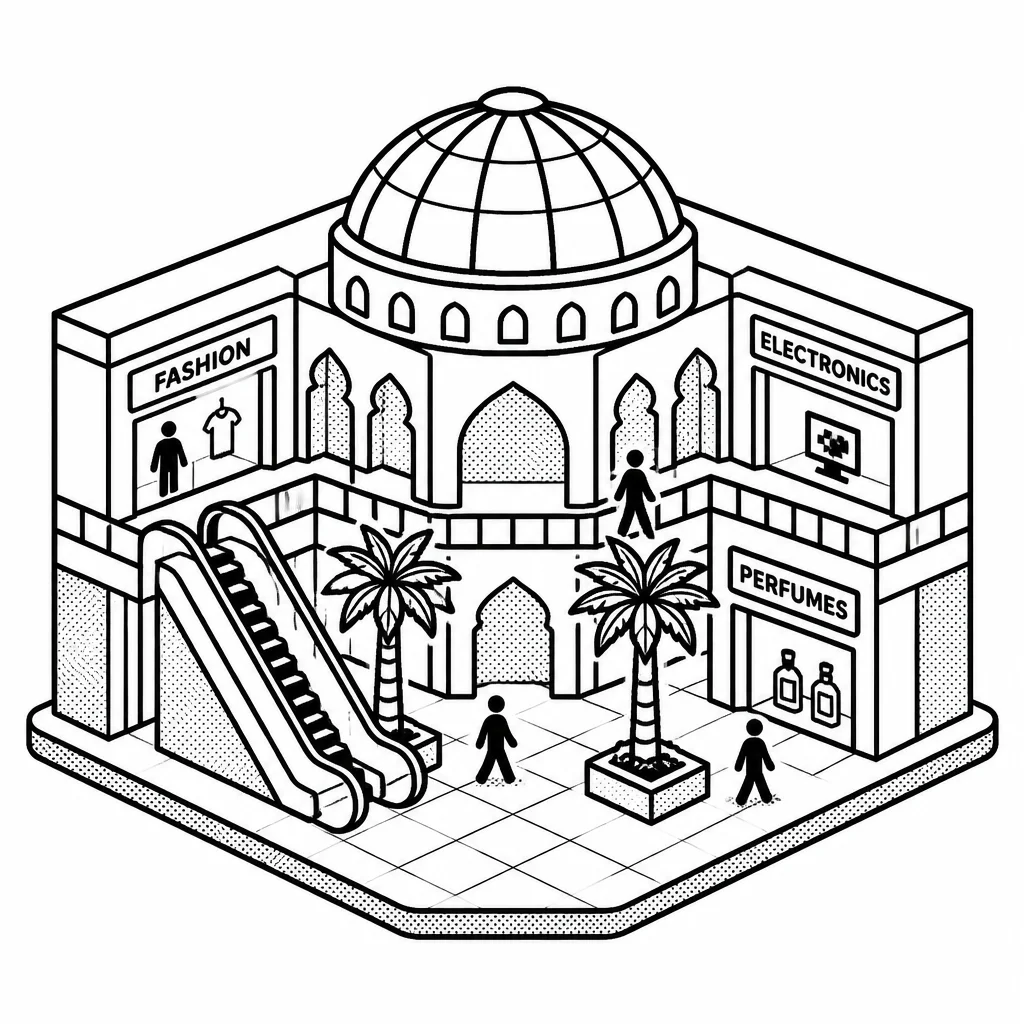
The business works like this: the company owns the real estate, maintains the common areas, and markets the mall to draw shoppers. Tenants pay rent for their space, and the better the mall pulls in foot traffic, the more stores want in and the more they are willing to pay. Its flagship is the Mall of Arabia in Jeddah, and it runs a portfolio of centres across the kingdom under brands like Mall of Arabia and Cairo Festival City's sister properties domestically. The key to the whole model is occupancy and footfall: empty stores earn nothing, and quiet malls lose tenants. Saudi Arabia's retail scene has been shifting. The government has pushed to grow the entertainment and tourism sectors, and malls have had to adapt by adding cinemas, restaurants, and family attractions rather than just clothing stores. Online shopping has pressured traditional retail everywhere, and Arabian Centres has had to invest in keeping its properties experience-driven so people still leave the house. The company listed on the Tadawul in 2019, and like many mall owners it carries meaningful debt from building and buying properties, which makes it sensitive to interest rates and to how confidently tenants sign leases.
Its main vulnerability is simple: it is a real estate business tied to consumer spending and to a single country's economy. When oil prices are strong and Saudi consumers feel confident, malls do well. When spending tightens or tenants struggle, rent collection and occupancy suffer. The company has also faced competition from newer, flashier developments backed by the government's push to modernize retail. Still, as one of the largest mall operators in the kingdom, it owns a scarce asset: prime retail space in a young, growing country where air-conditioned gathering places remain a big part of daily life.
Saved answer · last researched 12 Nov 2026