Understand any stock in simple English
Tsuruha Holdings Inc.
Tsuruha runs drugstores across Japan, selling medicines, cosmetics, food and everyday household goods to local shoppers.
Tsuruha is a Japanese drugstore chain. Walk into one of its stores and you'll find shelves packed with prescription and over-the-counter medicines, cosmetics, snacks, drinks, cleaning supplies, and pretty much anything else you'd need to run a household. It's the kind of place where you go in for a bottle of shampoo and walk out with a bag of rice and a new lipstick.
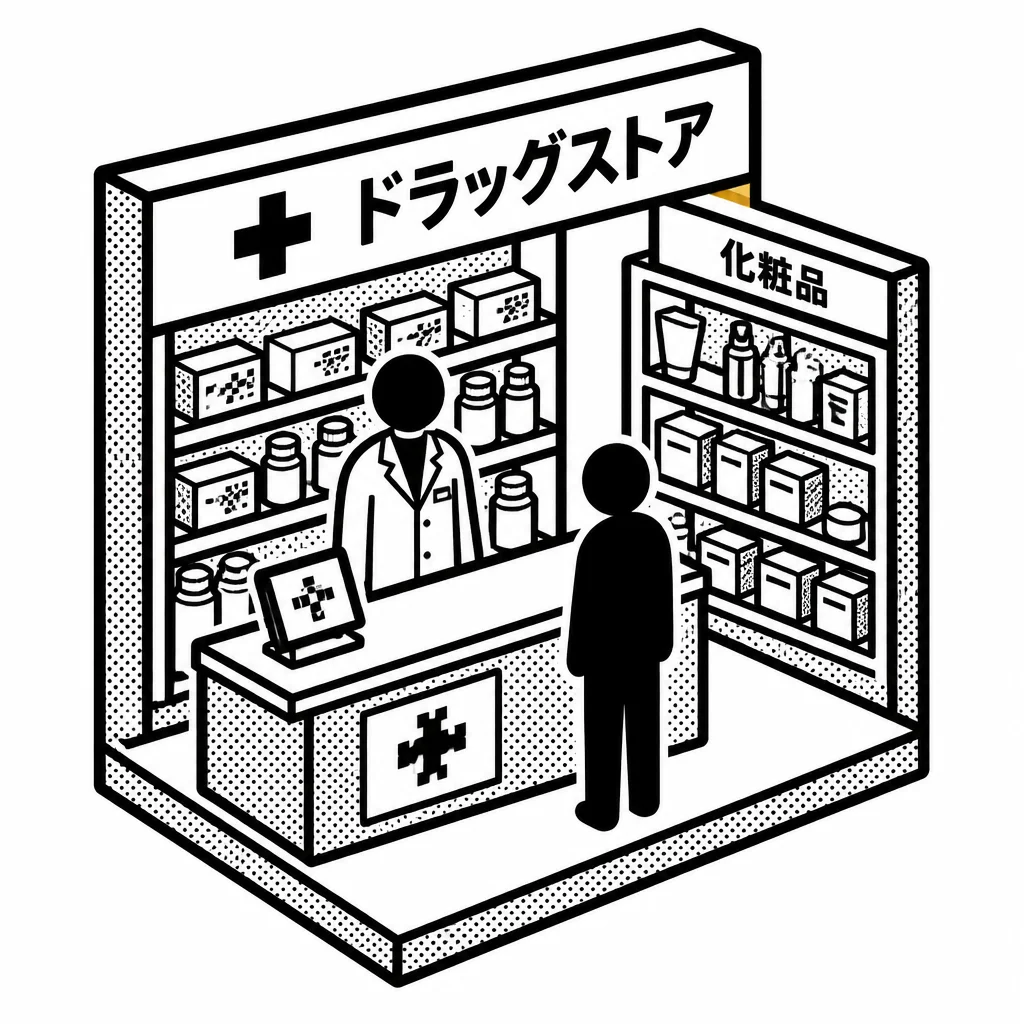
The business earns money the way most retailers do: it buys goods from manufacturers and wholesalers, marks them up, and sells them to shoppers at a profit. What makes drugstores in Japan interesting is that they sit at the crossroads of health and daily life. An aging population needs more medicines and health advice, while busy families want one convenient stop for groceries and household basics. Tsuruha leans into both, which keeps customers coming back often rather than just when they're sick. The Japanese drugstore market is crowded and competitive. Rivals like Welcia and MatsukiyoCocokara fight for the same shoppers, often on price and store location. Tsuruha's edge comes from its dense network of stores, its own private-label products (which carry fatter margins), and its points-card loyalty program that keeps customers tied to the brand. It has also expanded through acquisitions and alliances to widen its reach.
Drugstores are a low-margin, high-volume game, so scale matters enormously. The more stores a chain has, the more buying power it holds with suppliers, and the cheaper it can sell. Tsuruha has grown steadily by opening new stores and buying up smaller chains, and it returns cash to shareholders through dividends. The risk is that Japan's shrinking population and fierce discounting squeeze profits — but for now, the everyday convenience of a good drugstore keeps the tills ringing.
Saved answer · last researched 17 Nov 2026