Understand any stock in simple English
Enter a ticker to learn what the company does and how it makes money.
SK Biopharmaceuticals Co., Ltd.
SK Biopharmaceuticals develops and sells medicines that treat brain and nervous system disorders, mainly epilepsy and narcolepsy.
SK Biopharmaceuticals is a drugmaker that focuses on the brain. It discovers and sells medicines for central nervous system disorders, and its two best-known products treat people with epilepsy and people with narcolepsy. Its customers are patients, doctors, and hospitals, and the bills are mostly paid by health insurers and government health programs rather than by the patients themselves.
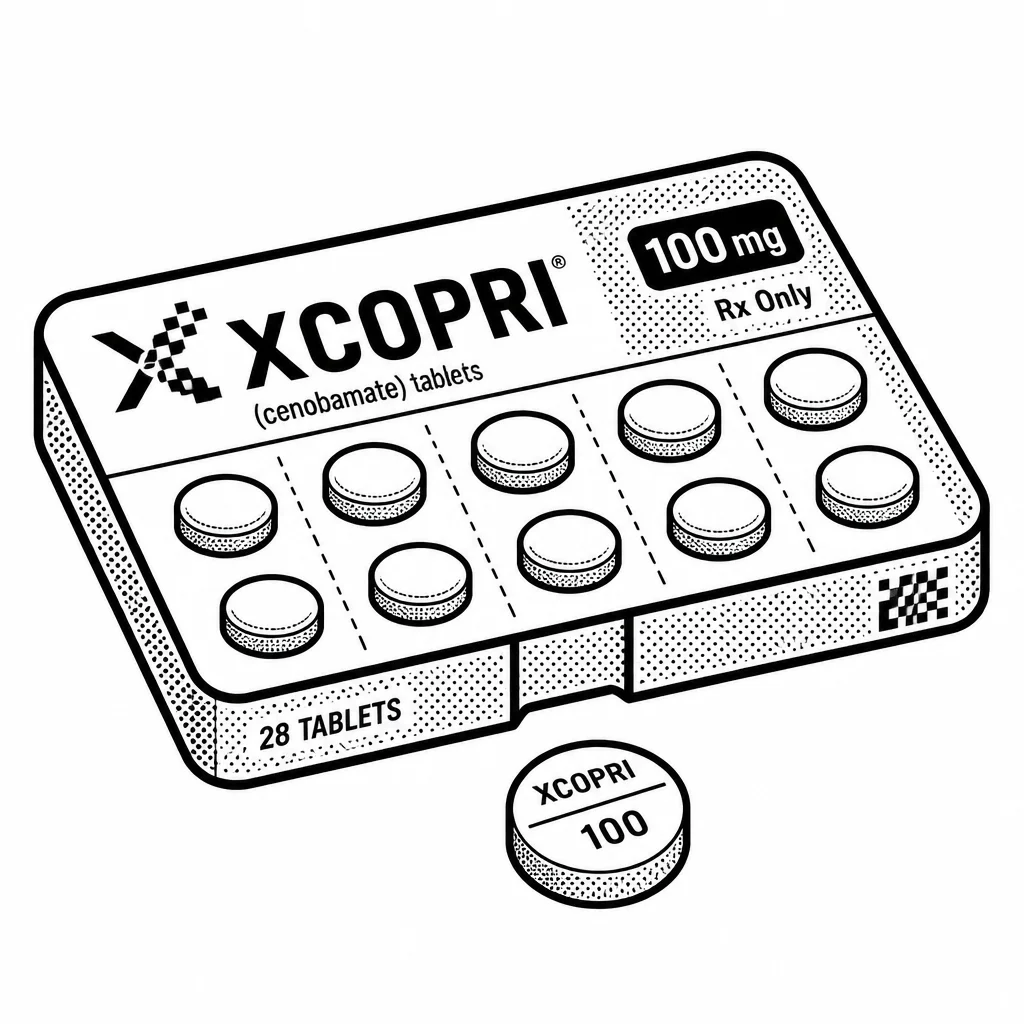
The epilepsy drug, Cenobamate, is sold in the United States under the brand name XCOPRI. It is the company's biggest money maker. Doctors prescribe it for adults with partial-onset seizures, a common form of epilepsy that is hard to control with older drugs. In clinical trials it cut seizure frequency sharply, which is why it has been able to win share in a crowded market. SK Biopharmaceuticals sells it in America through a partnership with Jazz Pharmaceuticals, which handles the US commercial side. The narcolepsy drug, Solriamfetol, is sold as SUNOSI for people who fall asleep uncontrollably during the day. That one is partnered with Axsome Therapeutics in the US. Here is the key thing about the business: making a drug is cheap compared with proving it works and then convincing doctors to prescribe it. A single late-stage trial can cost hundreds of millions of dollars and take years, and most candidates fail. So the company's real asset is not its factory but its pipeline of molecules and the patents protecting them. It earns money by licensing those drugs to bigger partners who have the sales forces, then collecting royalties and milestone payments as the drugs sell. It also books product sales in some markets directly. That model means revenue can jump when a partner hits a sales milestone, and it can sag when a patent nears its end. The risks are real and worth stating plainly. SK Biopharmaceuticals depends heavily on a small number of drugs, so one bad trial result or one patent loss would hurt a lot. Competition in epilepsy is fierce, with giants like Eisai and UCB already selling established treatments. And drug pricing in the US, where most of the profit comes from, is under constant political pressure. On the flip side, the company has been investing in new candidates for other brain conditions, which is the bet that keeps the story interesting. If those pan out, the company becomes less of a one-drug shop; if they fail, it stays a bet on two products.
SK Biopharmaceuticals is headquartered in South Korea, near Seoul, and is part of the SK Group conglomerate, though it trades as its own listed company. It is a good example of a simple idea: find a molecule that helps a difficult brain condition, prove it works, and let partners with big sales teams turn that proof into cash.
Saved answer · last researched 12 Nov 2026