Understand any stock in simple English
Enter a ticker to learn what the company does and how it makes money.
Jazz Pharmaceuticals plc
Jazz Pharmaceuticals makes and sells prescription drugs for sleep disorders, rare diseases, and certain cancers.
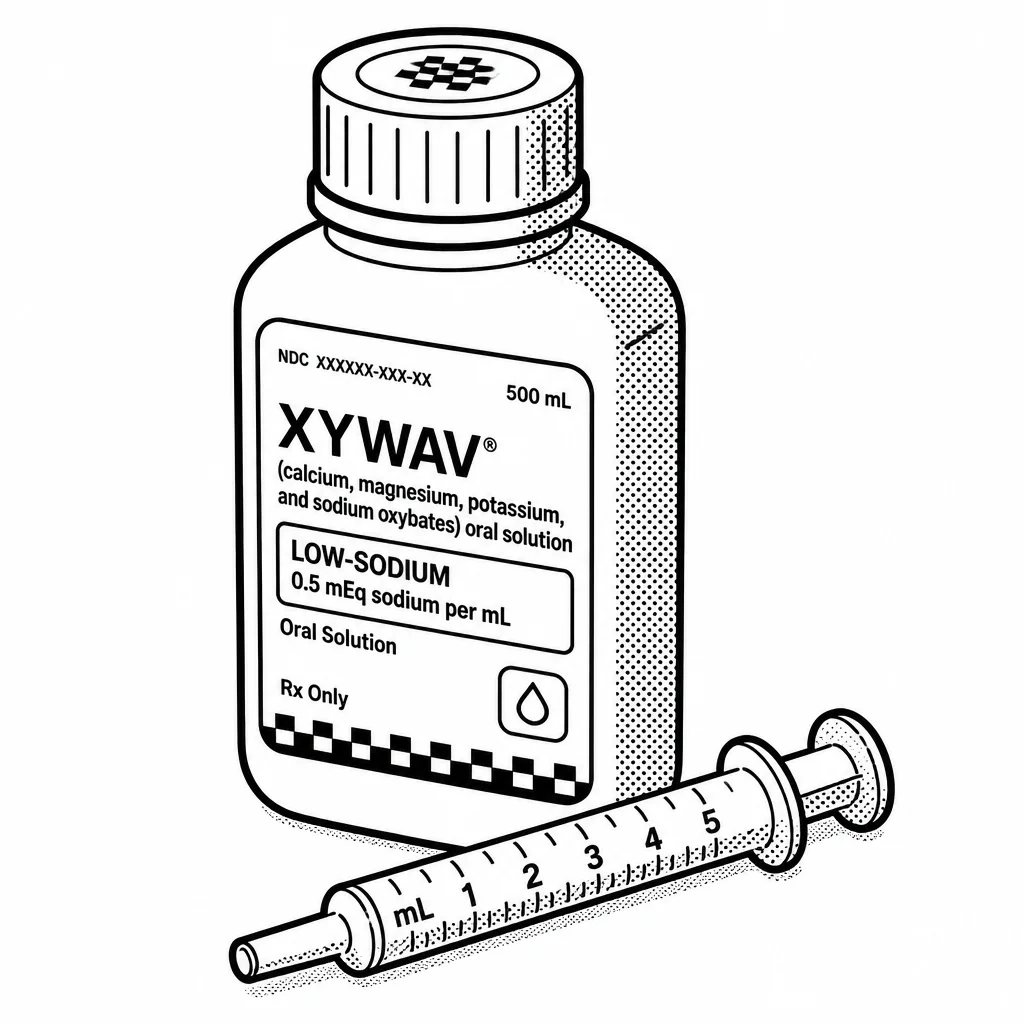
Jazz Pharmaceuticals is a drugmaker that sells medicines for a handful of serious conditions, and it makes most of its money from two of them: sleep problems and rare diseases. Its best-known drug, Xywav (and an older version called Xyrem), treats narcolepsy and other sleep disorders that make people dangerously sleepy during the day. Jazz didn't invent narcolepsy treatment, but it built a strong franchise around it, partly because these drugs are tightly controlled and require patients to register in a special program, which makes them harder to copy.
The other big pillar is rare diseases, especially epilepsy. Jazz sells Epidiolex, a medicine made from a purified form of cannabis that calms severe childhood seizures, and it picked this up by buying its maker, GW Pharmaceuticals, in 2021 for about $7 billion. It also sells cancer drugs, including treatments for a rare blood cancer called acute lymphoblastic leukemia. So the company is really two things in one: a sleep-medicine specialist and a rare-disease and cancer business. Who pays? Mostly insurers and government health programs, not patients directly. Drug prices for rare diseases can run into hundreds of thousands of dollars a year, and that is the whole economic engine — small numbers of patients, very high prices per patient. Jazz spent heavily on research and acquisitions to keep refilling its pipeline as older drugs face competition. One worry: its sleep drugs face the eventual arrival of cheaper copycat versions, so the company leans on newer products and deals to keep growing.
Jazz is legally Irish, headquartered in Dublin, though its operations are largely run from the United States, where most of its customers are. It reported roughly $4 billion in revenue in 2023. It has been an active acquirer, buying companies to expand into epilepsy, cancer, and other rare conditions, and it uses its cash to fund research, make deals, and buy back its own shares.
Saved answer · last researched 8 Nov 2026
BIG PICTURE
Nine in ten dollars Jazz takes in come from US patients and insurers
- 90% United States
- 10% Europe and other countries
Jazz is legally Irish, but its customers are overwhelmingly American. The US accounts for 90% of revenue, with Europe at 8% and the rest of the world at 2%. That concentration cuts both ways: Xywav, Epidiolex and the cancer drugs sell mostly through US insurers and government programs, so pricing rules or competition there hit nearly the whole business. Source: MoneyDJ, data from 2026
Timeline
Alza Veterans Found Jazz
In 2003, Bruce Cozadd and a team that was basically the old star crew from Alza started a new drug company in California. Big investors, including Kohlberg Kravis Roberts, put money behind them. The idea was simple: build a business around medicines that were already approved but not yet selling to their full potential.
Jazz Buys Xyrem
Two years in, the young company bought Orphan Medical and with it a drug called Xyrem. That drug, for a serious sleep disorder, would become the engine of the whole business for years to come.
A Felony Guilty Plea
But the engine came with trouble. The company pleaded guilty to felony charges over how it marketed Xyrem for uses it was not approved for, and paid a $20 million penalty. It was an early lesson that fast growth in medicine can cross legal lines.
A Rocky IPO
That same year, Jazz went public, but the reception was cold. Shares priced below the expected range and fell on the first day, partly because a bad press report likened Xyrem to hard drugs like heroin or LSD. Investors stayed away, and the company had to prove itself the hard way.
A Dublin Merger Creates Jazz plc
By 2012, Jazz had a new move: it merged with Azur Pharma and re-formed as Jazz Pharmaceuticals plc, based in Dublin, Ireland. The old Jazz owners kept most of the combined company, and the shares kept trading on Nasdaq. The new address was about more than geography; it gave the company a lighter tax load and more cash to spend on deals.
EUSA Pharma Acquired
That same year, Jazz spent $650 million, plus possible extra payments, to buy EUSA Pharma. It was the first big sign that the company intended to grow by shopping, not just by selling its own drugs.
Gentium and Defitelio
Then came Gentium, a rare-disease drug developer, bought for about $1 billion. Its lead product, Defitelio, gave Jazz a new treatment for a serious complication of stem cell transplants and pushed the company deeper into rare diseases.
Celator and Vyxeos
The buying kept getting bolder. Jazz announced its biggest deal yet, paying $1.5 billion for Celator Pharmaceuticals and gaining rights to Vyxeos, a breakthrough therapy for a hard-to-treat leukemia. The company was now a serious player in cancer as well as sleep medicine.
GW Pharmaceuticals Deal
The biggest bet of all came in 2021: a $7.2 billion deal for GW Pharmaceuticals, approved by GW's shareholders that spring. The prize was Epidiolex, a cannabis-derived epilepsy medicine, plus a fast-growing brain-health business. Jazz was no longer just a sleep company.
Renée Galá Takes Over
After more than two decades, co-founder and CEO Bruce Cozadd prepared to retire, and Renée Galá, who had risen from finance chief to president, was named to replace him. Cozadd stayed on as board chair, handing over a company vastly bigger than the one he started.
FDA Approves Ziihera
That same year brought a payoff from an earlier deal: the FDA approved Ziihera, a first-of-its-kind targeted antibody, for a type of bile duct cancer. It came out of a 2022 partnership with Zymeworks and had the potential to become a blockbuster, cementing cancer as a core part of Jazz.
Actio Biosciences Bought
Jazz kept shopping, paying $820 million upfront, with more possible later, for Actio Biosciences and its experimental oral epilepsy drug. The move built on the Epidiolex franchise and followed another big 2025 deal for Chimerix. The pattern was clear: Jazz now grows mainly by buying its future beyond sleep and epilepsy.