Understand any stock in simple English
Enter a ticker to learn what the company does and how it makes money.
Taiwan Mobile Co., Ltd.
Taiwan Mobile sells phone plans, home internet, cable TV, and electronics to people and businesses in Taiwan.
Taiwan Mobile is one of Taiwan's big three telecom carriers, and its core business is simple: it sells mobile phone plans to millions of people on the island. You pay a monthly fee, and in return you get calls, texts, and a big bucket of data for your phone. It also sells handsets, both in its own retail stores and online, which is a low-margin business but keeps customers walking through the door.
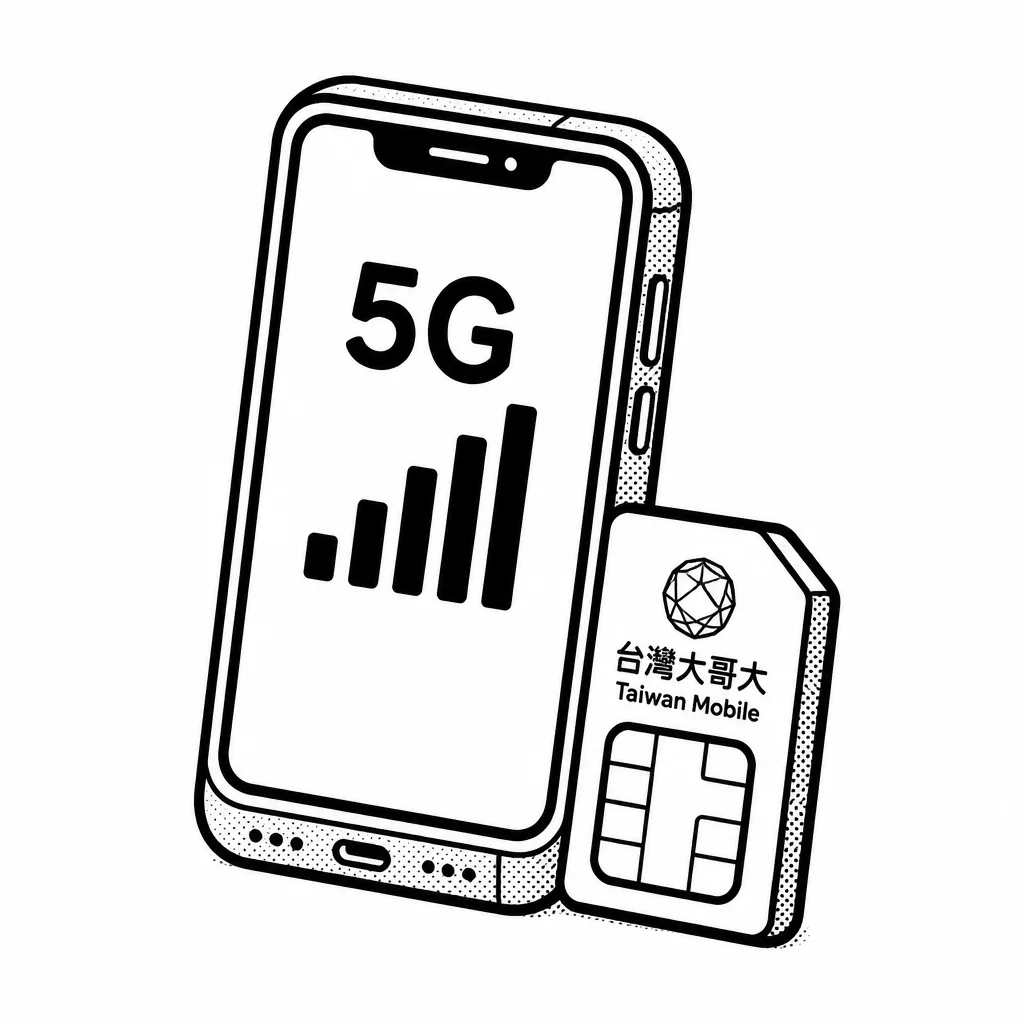
The company has pushed hard into home services too. It sells cable TV and broadband internet, the kind of bundle where one bill covers your phone, your Wi-Fi, and your TV channels. That matters because households that buy several services at once tend to stick around longer and cost less to keep. On top of that, Taiwan Mobile builds and sells tools for businesses — things like cloud services, cybersecurity, and data centers — a smaller but faster-growing part of the pie meant to offset the slow, saturated consumer phone market. The telecom game in Taiwan is brutal. The island has more phone subscriptions than people, so growth has to come from stealing customers from rivals like Chunghwa Telecom and Far EasTone, or from selling more to each existing customer. A big turning point came when Taiwan Mobile merged with Taiwan Star, a smaller carrier, in late 2023. That deal added millions of subscribers and let the company spread its network costs over more people, though it also meant swallowing a competitor and cleaning up the combined business.
Telecom is a steady, cash-generating business, and Taiwan Mobile behaves like a utility that happens to sell phones. It pays a reliable dividend, spends heavily on network gear like 5G equipment, and has been investing in media and streaming content to give people another reason to stay. The main risks are boring but real: price wars, a shrinking pool of new customers, and the constant bill for keeping its network fast.
Saved answer · last researched 12 Nov 2026