Understand any stock in simple English
Enter a ticker to learn what the company does and how it makes money.
WT Microelectronics Co., Ltd.
WT Microelectronics buys electronic chips and parts from big manufacturers and sells them, along with supply-chain help, to companies that build cars, phones, and factory equipment.
WT Microelectronics is a middleman for the electronics world. It buys chips and other electronic parts from the big manufacturers who make them, then sells those parts to the companies that actually build things — cars, phones, factory machines, networking gear, and consumer gadgets. It also helps those customers manage their supply chains, which is a polite way of saying it makes sure the right parts show up at the right factory at the right time.
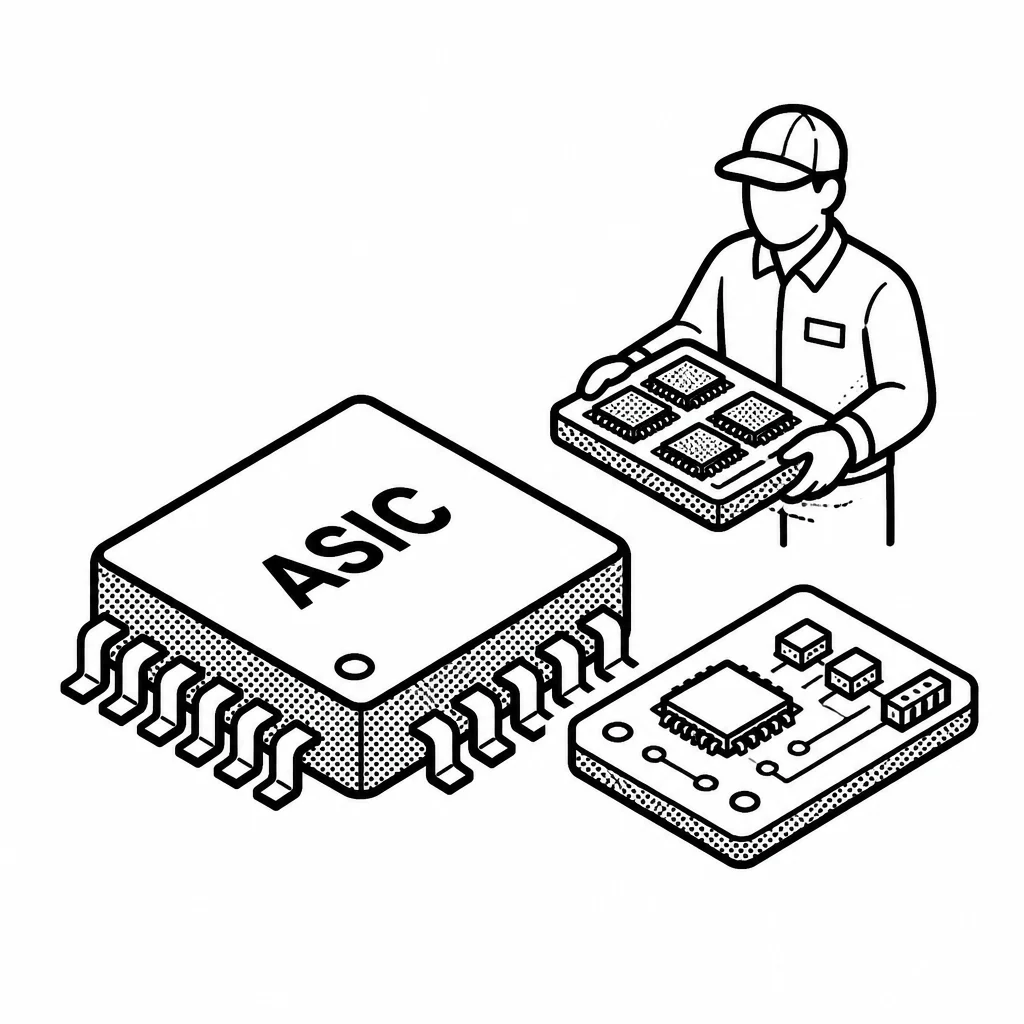
The business is essentially a giant logistics and sales operation. Chipmakers like Texas Instruments, NXP Semiconductors, and Infineon would rather not spend their own money chasing thousands of smaller customers around the world. WT does that for them. It holds inventory, handles the paperwork and shipping, and gives customers someone to call when a part is late or a design needs tweaking. Customers pay for the convenience of one stop and for WT's know-how about which parts work together. That sounds simple, and it is, but the margins are razor thin. Distributors make their money on volume — a little bit on every part they move, multiplied across an enormous flow of goods. That means the business is sensitive to demand swings. When electronics sell well, WT thrives; when a downturn hits and factories cut orders, revenue can fall fast. The company's scale is its main defense, since bigger volume lets it negotiate better prices from suppliers and win bigger customers.
WT has grown largely by buying rivals and expanding across Asia and beyond, turning itself into one of the region's largest component distributors. Its customers span automotive, industrial, communications, and consumer electronics, which spreads its risk across different end markets rather than depending on any single one. The company is headquartered in Taiwan, close to the heart of the global electronics supply chain, which helps it stay plugged into both the chipmakers and the factories that depend on them.
Saved answer · last researched 12 Nov 2026