Understand any stock in simple English
Enter a ticker to learn what the company does and how it makes money.
Netmarble Corporation
Netmarble makes and publishes video games for phones, PCs, and consoles, earning money when players buy virtual items or pay to play.
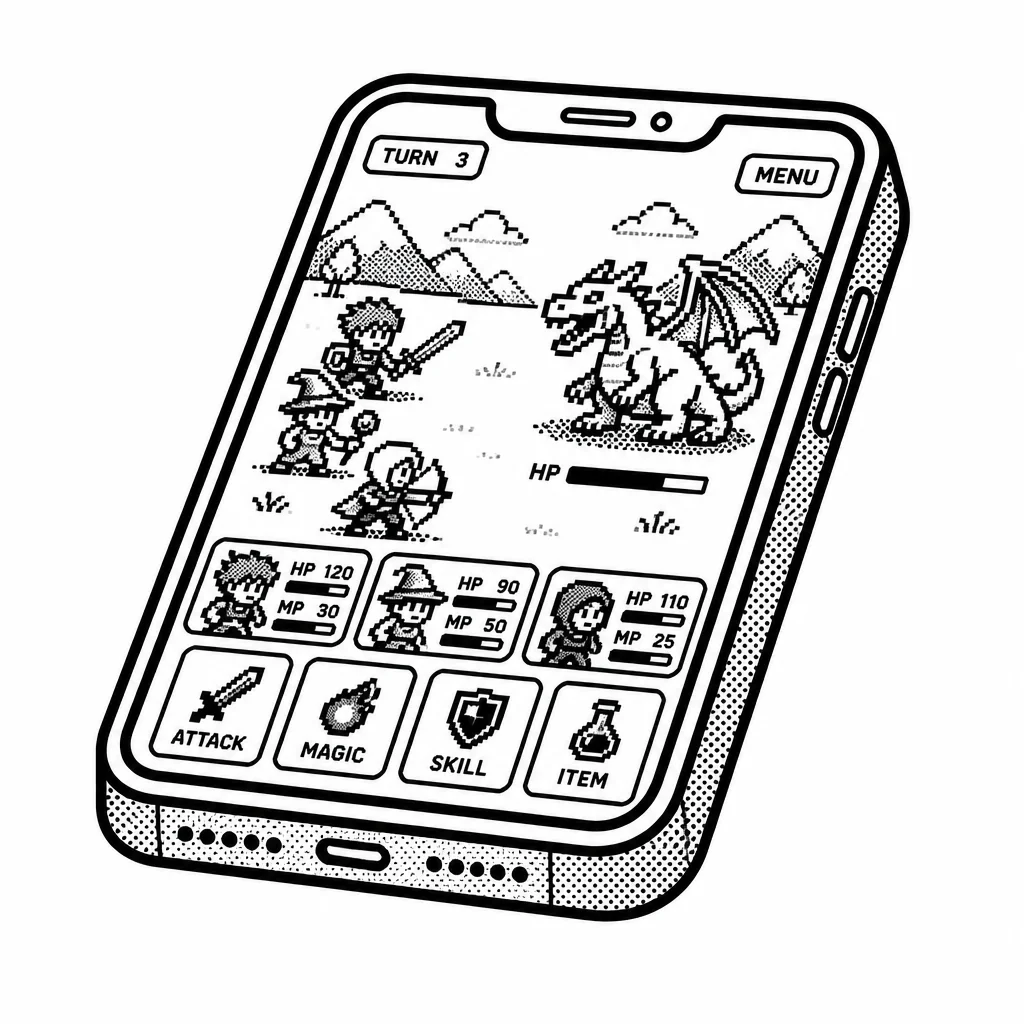
Netmarble is one of South Korea's biggest game makers. It builds games and also publishes them — meaning it handles the marketing, the app store relationships, and the payment systems that turn a game into a business. Its most famous title is *Marvel Contest of Champions*, a mobile fighting game made with Disney-owned Marvel, and it has a long string of role-playing games that are especially popular in Asia. Most of its money comes from "in-app purchases": players download a game for free, then pay small amounts for characters, items, or power-ups. That free-to-play model is the engine of the whole mobile gaming industry.
The company's roots trace back to 2000 as a mobile game developer, and it grew huge by doing two things well: making games that keep players hooked for years, and buying stakes in other game studios. Its biggest swing was a controlling stake in Kabam's Vancouver studio, which brought *Contest of Champions* in-house. It also holds a stake in HYBE — the K-pop powerhouse behind BTS — showing how Korean entertainment and gaming money overlap. Netmarble went public on the Korea Exchange in 2017 in one of the country's largest-ever IPOs, briefly making its founder, Bang Jun-hyuk, one of the richest people in Korea. The business is hit-driven, and that is its core vulnerability. A handful of games generate most of the profit, and when a big title ages out, revenue falls fast until a new hit replaces it. Netmarble has spent years trying to break that cycle by pushing into PC and console games and betting on new genres, but mobile still dominates. Competition is brutal: it fights Tencent-backed rivals, NCSOFT, and global studios like Electronic Arts and Activision Blizzard for the same players and the same screen time.
Lately Netmarble has leaned on big licensed brands to drive growth, including games tied to *The Seven Deadly Sins* and *Solo Leveling*, and it has been working to cut costs and sharpen its pipeline after a stretch of weaker profits. Like all game publishers, its health depends on a simple question: can it keep releasing games that people want to play — and pay for — every year? When it can, it prints cash; when it cannot, the stock and the profits sag until the next hit arrives.
Saved answer · last researched 15 Nov 2026