Understand any stock in simple English
Enter a ticker to learn what the company does and how it makes money.
China Resources Beverage (Holdings) Company Limited
It sells bottled water and other ready-to-drink beverages to consumers across China.
China Resources Beverage sells the bottles of water and tea you grab from a convenience store fridge or a vending machine in China. Its best-known brand is C'estbon, a packaged drinking water label that has been a household name for decades. Beyond plain water, it sells flavored and functional waters and ready-to-drink teas, so it covers the everyday "I'm thirsty and want something safe and cheap" moment for hundreds of millions of people.
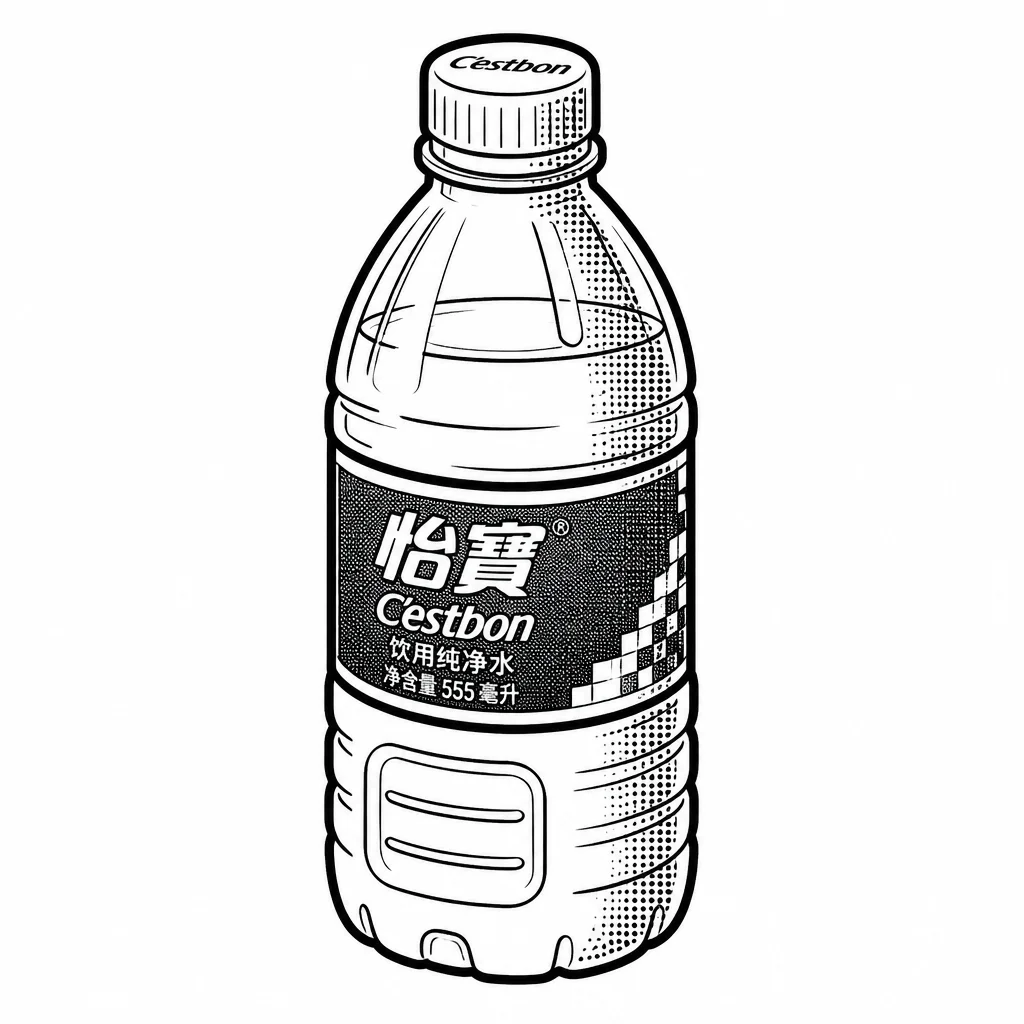
The business is simple on the surface: buy or purify water, put it in a bottle, and ship it to shops. The hard part is everything around that. Water is heavy and cheap, so profit depends on scale, on running bottling plants close to customers, and on owning the shelf space and the delivery trucks that get bottles into corner stores, supermarkets, and online orders before a rival does. Its parent, the state-owned China Resources group, gives it deep pockets and a long-standing distribution network, which matters enormously in a country where reaching tiny shops in small cities is the real competitive moat. Competition is fierce. Nongfu Spring is the dominant player in Chinese bottled water and sets the pace on branding and price, while Tingyi and others fight for the tea and soft-drink shelves. That means China Resources Beverage lives with thin margins and constant price pressure, and it must keep spending on advertising and on its factory and logistics footprint just to hold its ground. A price war in bottled water can hurt everyone's profits quickly.
The company listed on the Hong Kong Stock Exchange in 2024, raising money that it has been directing toward expanding production capacity and distribution. The core bet is straightforward: China drinks an enormous amount of bottled water, and if the company can keep its brand trusted and its bottles within arm's reach of shoppers, volume does the rest. The risks are equally plain — a crowded market, heavy fixed costs, and the fact that its product is, at the end of the day, something people can buy from someone else for a few cents less.
Saved answer · last researched 14 Nov 2026