Understand any stock in simple English
Enter a ticker to learn what the company does and how it makes money.
Weichai Power Co., Ltd.
Weichai Power makes the engines, transmissions, and axles that power trucks, buses, forklifts, and heavy machines around the world.
Weichai Power builds the parts that make big machines move. Its main job is making diesel engines — the kind that sit inside heavy trucks, buses, construction equipment, and ships — along with the gearboxes, axles, and hydraulic systems that turn an engine's spinning into actual motion. If you have ever watched a dump truck haul gravel or a forklift move pallets in a warehouse, there is a good chance a Weichai engine or drivetrain part was doing the heavy lifting.
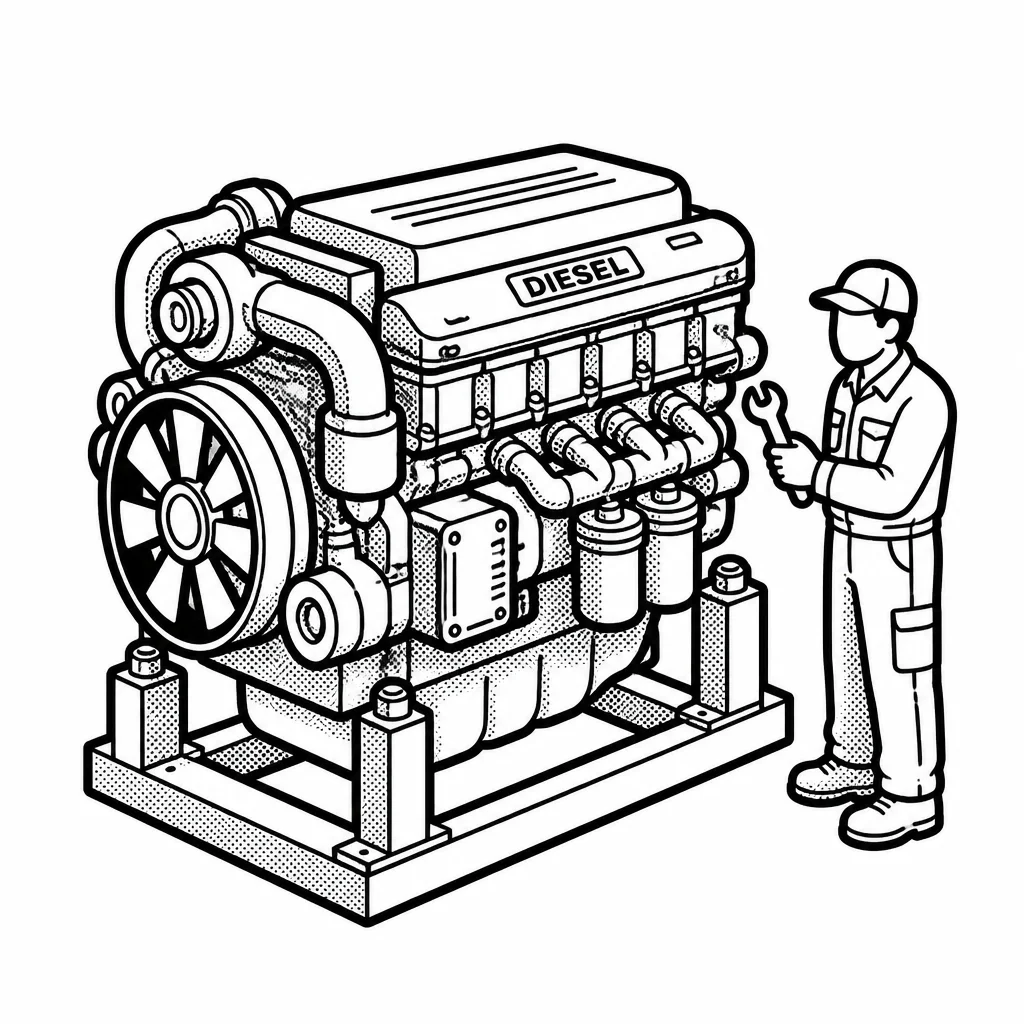
The company sells to two broad groups. The first is other manufacturers: truck makers, bus makers, construction equipment brands, and marine engine builders who buy Weichai's engines and driveline components and put them into their own vehicles. The second is end customers, through Weichai's own heavy-duty truck brand and its forklift business. Owning a truck brand matters because it gives Weichai a guaranteed customer for its own engines and lets it keep more of the money from each vehicle sold. Customers pick Weichai because it offers a full powertrain — engine, transmission, and axle designed to work together — at a scale and price that few rivals can match. A powertrain is the whole chain that moves a vehicle: the engine makes power, the gearbox adjusts it, and the axles deliver it to the wheels. Getting all three from one supplier saves manufacturers time and engineering headaches, and it makes Weichai sticky — once a truck is designed around Weichai parts, switching to another supplier is expensive. That is the core of its advantage, and it is why the company has grown into one of the world's largest makers of heavy-duty engines and commercial vehicle powertrains. It is headquartered in Weifang, China, and its reach is global, with customers across Asia, Europe, and the Americas. Weichai is not just an engine maker anymore. It has spent years buying and partnering its way into adjacent businesses — forklifts, hydraulic components, and cleaner powertrain technology — to reduce its dependence on diesel trucks. That matters because the truck market is cyclical: when freight demand falls, truck orders fall, and Weichai's sales fall with them. The shift toward electric and alternative-fuel vehicles is a longer-term threat to the diesel engine business, though heavy trucks and industrial machines are among the hardest vehicles to electrify, which buys the company time. It also faces tough rivals in China and abroad, including Cummins in engines and Volvo and Daimler Truck in trucks and powertrains.
For investors, Weichai is a cash-generating industrial company that returns money to shareholders through dividends and share buybacks, and it has used acquisitions to widen its product range rather than to chase fashion. The plain version: it sells the muscle that moves the world's heavy work, and its future depends on whether it can keep selling that muscle as the rules around engines change.
Saved answer · last researched 12 Nov 2026