Understand any stock in simple English
Enter a ticker to learn what the company does and how it makes money.
Li Ning Company Limited
Li Ning designs and sells sports shoes, clothing, and equipment, mostly in China, under its own brand.
Li Ning is a Chinese sportswear company that makes sneakers, athletic clothing, and sports gear, and sells them mostly to people in China who want to run, play basketball, or just look sporty. The brand is named after its founder, Li Ning, a gymnast who won three gold medals at the 1984 Los Angeles Olympics and was once called the "Prince of Gymnastics." He started the company in 1990, and it grew into one of the few Chinese brands able to compete with giants like Nike and Adidas on their home turf.
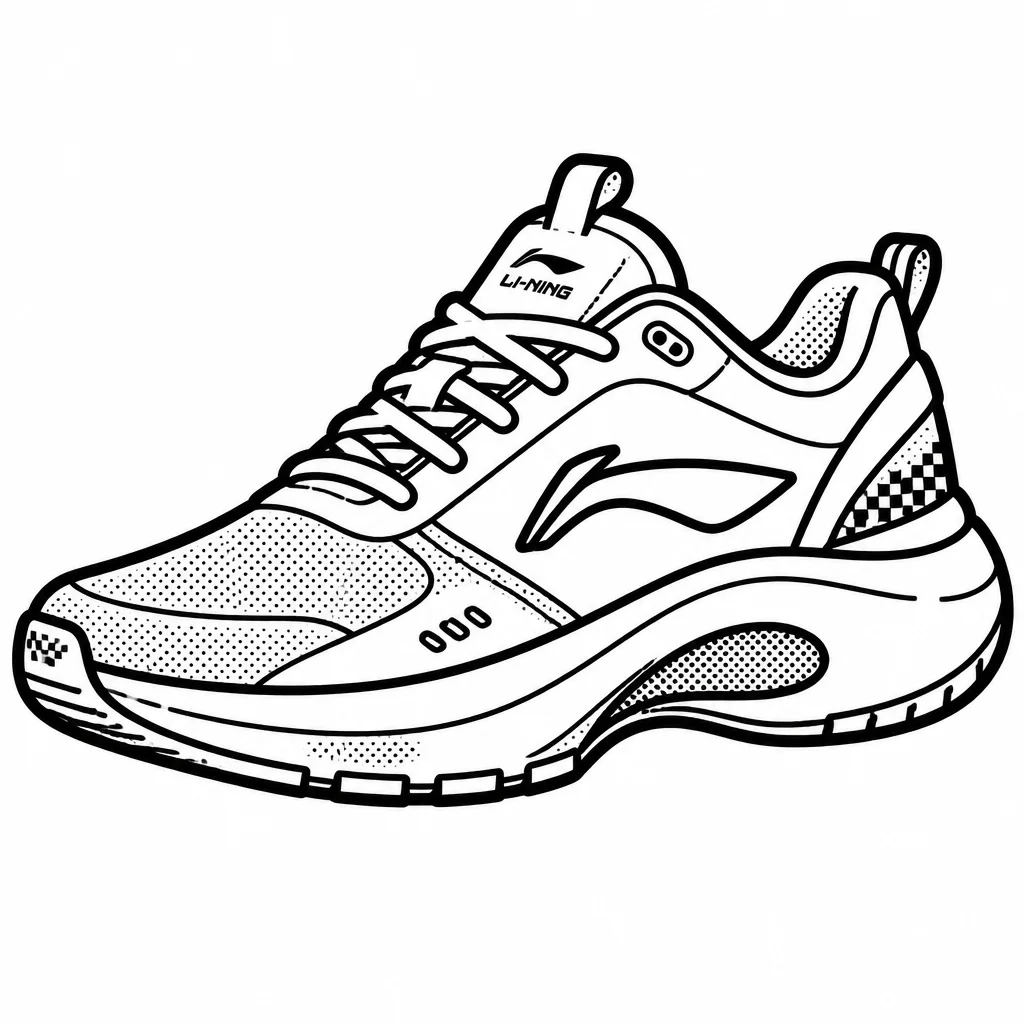
The business works like most sportswear brands: Li Ning designs the products, markets them heavily, and sells them through its own stores, franchise partners, and online channels. It leans on a network of distributors and retail partners rather than owning every store itself, which keeps costs lighter. Customers choose Li Ning partly out of national pride — the brand leans hard into "China Li Ning" styling and Chinese cultural themes — and partly because the products are priced below foreign rivals while still looking good. The company has had a bumpy ride. It exploded in popularity around 2008, overexpanded, and then suffered a painful slump as unsold inventory piled up. A turnaround led by founder Li Ning himself, who returned to run the company, revived it in the late 2010s. More recently, a wave of patriotic buying in China gave domestic brands a lift, and Li Ning rode that wave. Its revenue has grown steadily, though growth cooled in recent years as Chinese shoppers tightened their belts.
Li Ning faces fierce competition, not just from foreign brands but from domestic rivals like Anta Sports and upstarts such as Xtep. Its edge is brand heritage and a strong "guochao" (China-chic) identity. The risk is that sportswear is fashion-sensitive: if the style falls out of favor, sales can slump fast, as the company learned the hard way. It spends heavily on marketing and on its own retail and product development, and it has been building out its footwear technology to compete on performance, not just looks.
Saved answer · last researched 14 Nov 2026