Understand any stock in simple English
Enter a ticker to learn what the company does and how it makes money.
Compeq Manufacturing Co., Ltd.
Compeq makes printed circuit boards — the thin boards that connect and hold the chips inside phones, computers, and cars.
Compeq makes printed circuit boards, the flat green (or blue, or black) slabs that hold and connect the chips inside almost every electronic device you own. If a chip is a brain, the circuit board is the skeleton and nervous system it sits on — tiny copper wires etched into the board carry signals and power between components. Compeq builds these boards for smartphones, computers, cars, and networking gear, and sells them to the electronics brands and manufacturers that assemble the finished products.
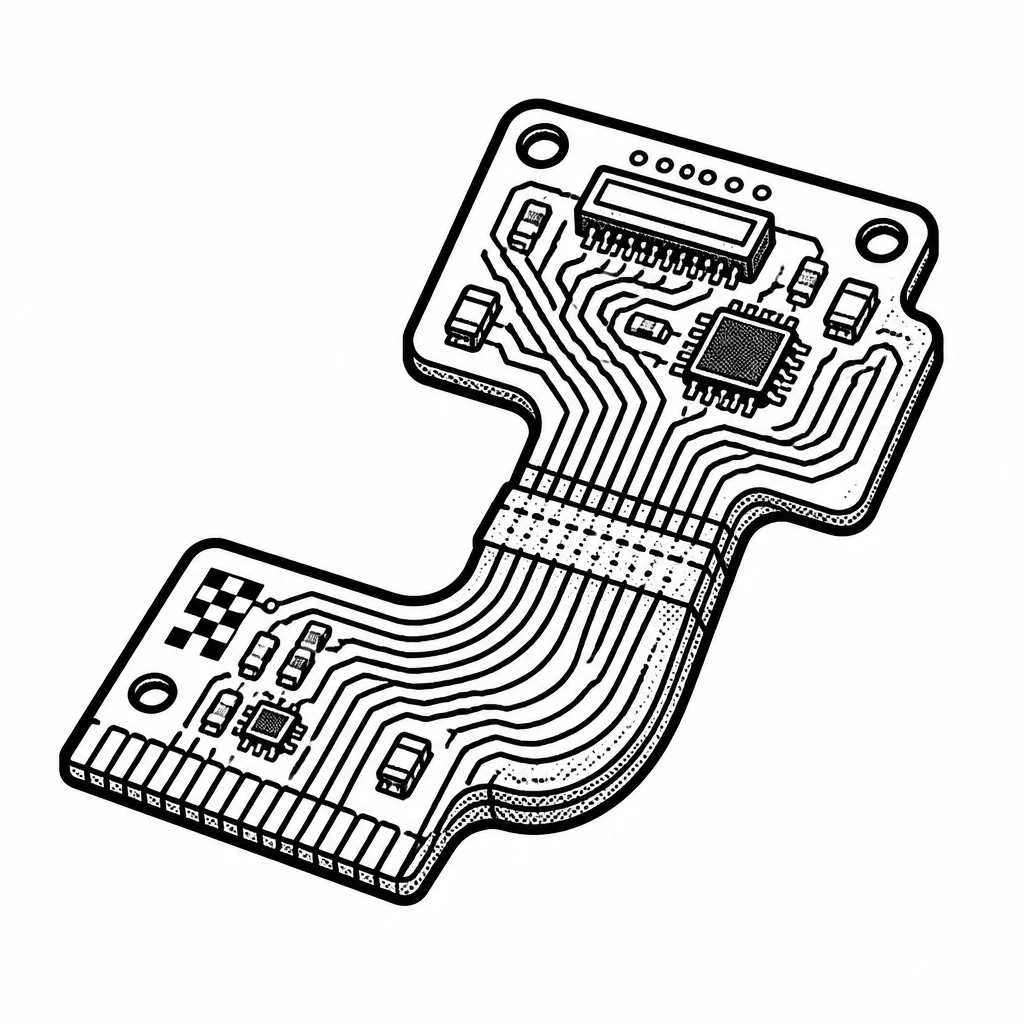
The business is a contract manufacturer: customers design a device, and Compeq's factories in Taiwan, China, and Vietnam produce the bare boards to their spec. The company's sweet spot is high-density boards — the densely packed ones needed for phones and advanced electronics, where the wiring is so fine it is measured in micrometers. That kind of work is hard to do well at scale, which is why Compeq has stayed near the top of the global rankings for years. The money comes from selling boards by the panel, with customers paying for precision and reliability more than for the raw materials. It is a cyclical, capital-hungry business: Compeq has to keep pouring money into new factories and equipment to stay at the leading edge, and it competes with other Taiwanese board makers like Zhen Ding Technology Holding and Unimicron Technology, plus large mainland rivals. When phone and PC demand surges, Compeq's plants fill up; when it cools, prices get squeezed.
Its exposure to the smartphone supply chain matters because a handful of big customers drive a large share of sales, which cuts both ways — steady volume in good years, painful when a flagship phone disappoints. The Vietnam expansion is the recent story: customers want their supply chains spread beyond China, so Compeq has been building capacity there to win orders that require it. It pays shareholders a steady cash dividend, a habit common among Taiwan's listed manufacturers.
Saved answer · last researched 12 Nov 2026