Understand any stock in simple English
Enter a ticker to learn what the company does and how it makes money.
Zhen Ding Technology Holding Limited
Zhen Ding makes the printed circuit boards and chip substrates that connect and carry signals inside phones, computers, and other electronics.
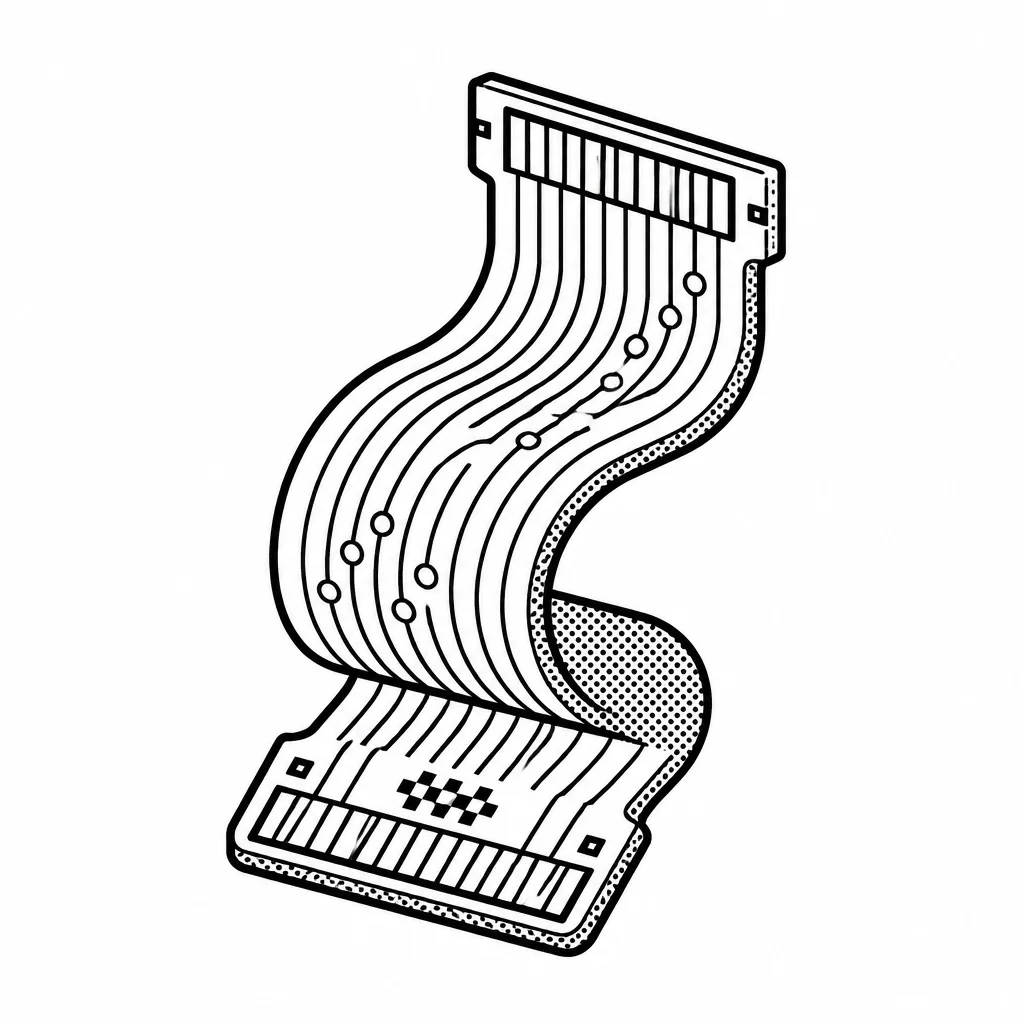
Zhen Ding Technology makes the hidden wiring inside your gadgets. Every smartphone, laptop, and tablet is packed with tiny boards that hold chips and carry electrical signals between them, and Zhen Ding designs and builds those boards — especially the flexible ones that bend and fold to fit inside a slim device. Its most advanced products are IC substrates, the dense little platforms that a chip sits on and that connect it to the rest of the board.
The company is a major supplier to Apple Apple, which makes up a large share of its sales, so its fortunes rise and fall with iPhone demand and Apple's product cycles. That dependence is both its strength and its weakness: Apple's volumes are enormous, but Apple squeezes suppliers on price and can shift orders to rivals. Zhen Ding competes with other Taiwanese and Chinese board makers, and it has invested heavily in the hardest, highest-margin part of the business — substrates for advanced chips — where few companies can match it. It is headquartered in Taiwan and was formerly known as Foxconn Advanced Technology, though it now runs independently of the Foxconn empire. The simple way to understand the money: Zhen Ding gets paid per board, and it earns more when devices get more complex and need more layers and denser substrates. A phone with more cameras, more sensors, and a faster chip needs more of what Zhen Ding sells. That is why the company pours cash into new factories and substrate capacity — building plants is expensive, and the payoff depends on winning the next generation of designs. When it lands those deals, the business is a quiet, steady cash machine. When a key customer changes course or a rival undercuts on price, margins get thin fast.
What makes Zhen Ding worth watching is the shift toward IC substrates, the part of the market with the highest barriers and the fattest profits. Making them requires precision few factories can achieve, and demand is growing as chips get more powerful. If Zhen Ding keeps winning that work, it moves up the value chain from a board assembler to a critical supplier of the platform under the world's most advanced chips. If it stumbles on quality or capacity, customers have alternatives. That is the whole bet in one sentence: stay essential to the devices everyone carries, and keep climbing toward the hardest parts.
Saved answer · last researched 12 Nov 2026