Understand any stock in simple English
Enter a ticker to learn what the company does and how it makes money.
United Microelectronics Corporation
United Microelectronics is a contract chipmaker that manufactures semiconductors for other companies that design them.
United Microelectronics is a contract chipmaker, one of the companies that actually builds the silicon brains inside phones, cars, and factory equipment. It doesn't design chips itself. Instead, designers hand over their blueprints and pay UMC to turn them into finished wafers—thin, round slices of silicon, each one packed with hundreds or thousands of chips—which are then cut apart and packaged into components.
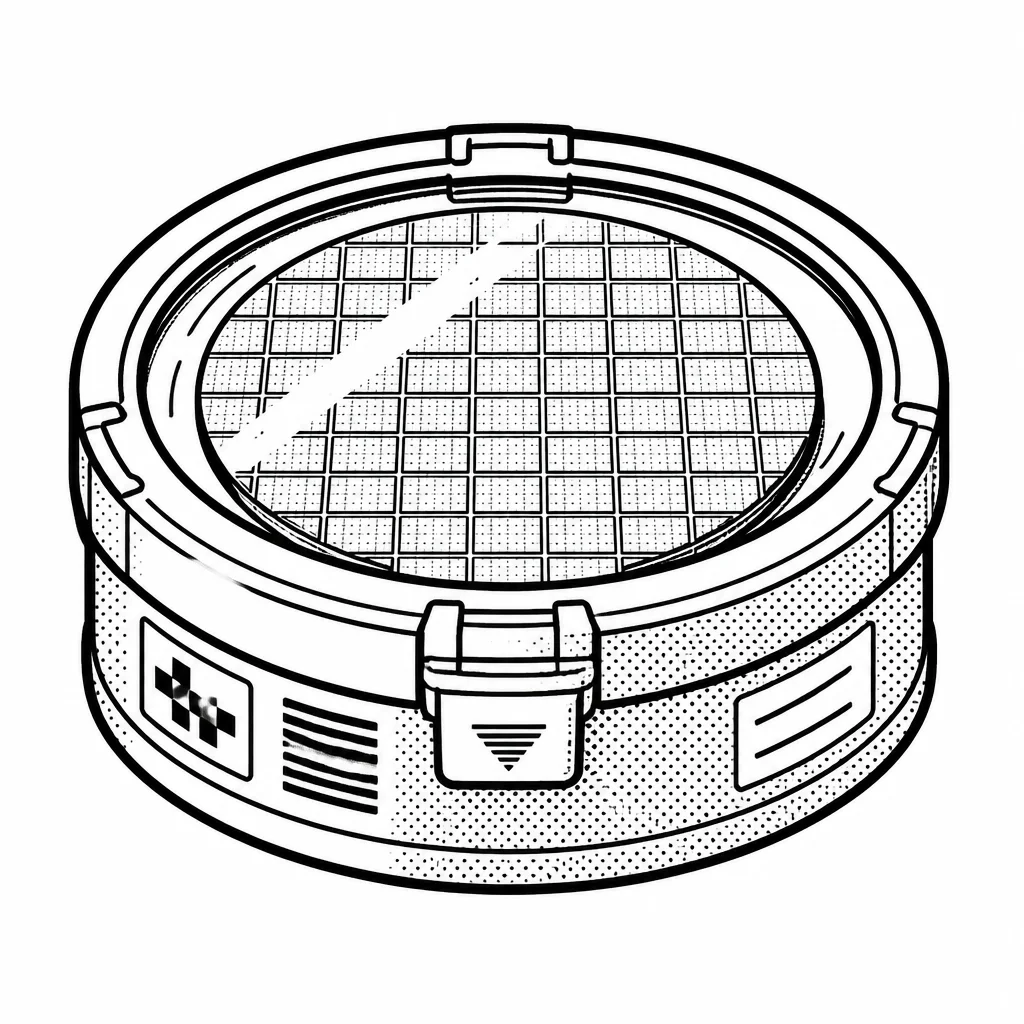
This is a capital-heavy, finicky business. A single advanced factory, called a fab, can cost billions of dollars and must run around the clock, because even a speck of dust can ruin a whole batch of wafers. UMC specializes in "mature" process nodes—chips made with older, well-proven manufacturing technology rather than the bleeding-edge circuitry that Taiwan Semiconductor Manufacturing and Samsung Electronics chase. That sounds like a backwater, but it isn't: plenty of everyday products don't need the latest chip. Power management, display drivers, sensors, and the electronics that run a car's engine or a washing machine all rely on mature-node chips, and those markets are steadier and less prone to brutal price wars at the frontier. The customers are "fabless" chip designers—companies that dream up chips but own no factories—plus integrated device makers who need extra capacity. UMC competes mainly with other foundries such as Taiwan Semiconductor Manufacturing, GlobalFoundries, and Semiconductor Manufacturing International. Its edge is reliability and long relationships: chipmakers stick with a foundry that has already qualified its process for their product, because switching means costly re-testing and risk.
UMC is headquartered in Hsinchu, Taiwan, the island's chipmaking heartland. It was founded in 1980 as Taiwan's first semiconductor company and helped pioneer the pure-play foundry model—the idea of building chips for other people rather than selling its own branded products. These days it spends heavily on keeping its fabs current and on expanding capacity, particularly in specialty chips like power-management and automotive parts. It also pays a steady dividend, which is one way it returns cash to shareholders rather than plowing everything back into new plants.
Saved answer · last researched 12 Nov 2026
Timeline
Taiwan's First Private Chip Company
In 1980, Taiwan's government research lab spun off a small chip company, the island's first private one. Robert Tsao ran it as a do-it-all manufacturer, licensing technology from RCA to make its first product: a chip for electronic watches. The idea was simple — Taiwan could build chips itself instead of buying them from abroad.
A Rough First Day on the Market
Five years later, UMC became the first chip company listed on the Taiwan Stock Exchange. It picked a bad moment — the chip business was in a slump — and the stock opened by falling as far as the rules allowed. Then investors looked at the books, saw the finances were solid, and calmed down.
From Making Its Own Chips to Making Everyone's
The big shift came in the mid-1990s: UMC stopped being a company that designed and sold its own chips and became a pure factory for hire, building chips that other companies designed. It set up three joint-venture foundries to do it. It even spun off its chip-design units — one of them grew into MediaTek, a giant in its own right. UMC had picked a lane, and that lane was manufacturing.
Five Foundries Become One
By 2000, those joint ventures were folded into a single company in Taiwan's largest merger ever. UMC also racked up two industry firsts: chips made with copper wiring and the first 300mm wafers — bigger discs that yield more chips per run. It was a clear statement that UMC meant to lead on manufacturing.
Stop Chasing the Front
For years UMC had spent heavily trying to catch TSMC at the most advanced chips. In 2017 it stopped. Chasing the cutting edge was burning money without a win, so UMC adopted a strategy it called 'Stay Focused, Stay Relevant' — pick specialty chip markets where it could matter, and put resources there instead of into an all-out arms race.
A Factory in Japan
Two years later, UMC bought the rest of a Japanese chipmaker, Mie Fujitsu Semiconductor, and renamed it USJC. That handed UMC a 300mm fab in Japan — more capacity, and a second home base outside Taiwan.
The Micron Case
Then came a legal storm. In 2020 UMC pleaded guilty in the US to one count of receiving and possessing a stolen trade secret in the case over Micron's chip technology, and agreed to pay a $60 million fine. The broader spying allegations were dropped. A year later, UMC and Micron withdrew their complaints against each other worldwide and said they would look for ways to do business together.
Working With Intel Instead of Racing It
In 2024 UMC announced it would develop a 12nm chip process with Intel, aimed at mobile, communications gear and networking, with production targeted for 2027. It was a new kind of move: team up with a bigger rival rather than try to outrun it at the leading edge.
The Co-Presidency Ends
In 2026 UMC reshuffled its top jobs: Co-President Jason Wang became CEO, and Ming Hsu moved up to President and COO and joined the board. That closed the co-president era that began back in 2017. Co-President SC Chien went to chair Unimicron, a substrate maker UMC invests in, tying the company closer to its suppliers. The numbers told the story of the co-presidents' run: market value grew about fivefold as UMC leaned into specialty processes.
Building for AI and the Edge
The board then approved a phased buildout: more cleanroom space in Singapore for silicon photonics, and a new fab shell in Tainan for future plants. The point is to capture AI and edge-computing demand while tying spending to customer commitments already in hand. UMC expects AI-related business to reach about a quarter of sales within three years — and specialty processes are already more than half of revenue.