Understand any stock in simple English
Enter a ticker to learn what the company does and how it makes money.
Hua Hong Grace Semiconductor Limited
Hua Hong makes specialty computer chips for other companies, focusing on chips used in cars, phones, and household appliances.
Hua Hong Semiconductor is one of China's biggest contract chipmakers — a "foundry" that builds chips designed by other companies. Most people never see its name, but its chips end up inside cars, smartphones, home appliances, and power-management systems. It doesn't design or sell its own branded chips; it runs the factories and processes that turn other people's designs into physical silicon.
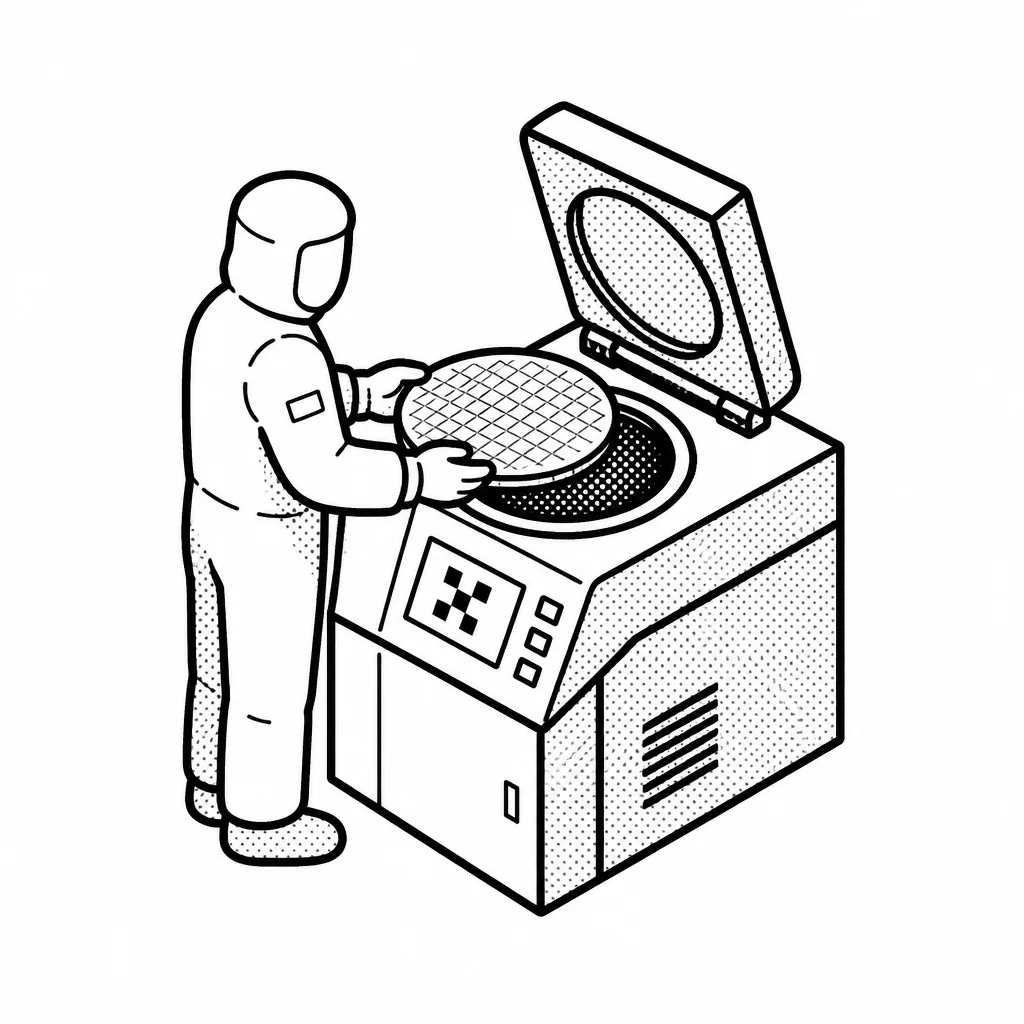
This is a different kind of chip business from the cutting-edge race. Hua Hong doesn't chase the smallest, fastest chips that go into AI servers. Instead it specializes in "mature-node" and specialty chips — the workhorse microcontrollers, power devices, and embedded memory that make cars, washing machines, and industrial machines run. That focus made it China's second-largest foundry and a top player globally in specialty processes, particularly power semiconductors used to manage electricity in vehicles and renewables. The company's roots trace back to 1996, when China launched a national effort to build its own semiconductor industry. Hua Hong Microelectronics was a founding pillar, and the business later merged with Grace Semiconductor — a foundry founded by George Hsu, son of Taiwan plastics tycoon Wang Yung-ching. That merger created what is now Hua Hong Semiconductor. The company listed in Hong Kong in 2014 and later added a Shanghai IPO in 2023, raising billions to fund new factories.
Hua Hong's biggest vulnerability is the same thing that gives it strategic importance: geopolitics. The U.S. has tightened export controls on advanced chipmaking tools to China, and the race to build domestic chip capacity is expensive. Hua Hong keeps pouring money into new fabs — huge capital projects that take years to pay off and can hit profits when demand for chips dips. Its customers are chip designers who need reliable, affordable manufacturing at scale — and increasingly, Chinese designers who want a domestic supply chain.
Saved answer · last researched 9 Nov 2026
BIG PICTURE
Hua Hong gets 77% of its chip money from China itself
- 77.1% China, including Hong Kong
- 22.9% Rest of the world
In the third quarter of 2026, $760.8 million of Hua Hong's revenue, or 77.1%, came from mainland China and Hong Kong. The company makes specialty chips for cars, phones and appliances, and most of the buyers are Chinese firms trying to secure supply at home. That focus is a strength while Beijing pushes self-sufficiency, and a risk if demand there cools. Source: TNGlobal, data from 2026
Timeline
A Chip Joint Venture for NEC
In 1997, a Shanghai chipmaker called Hua Hong Microelectronics teamed up with Japan's NEC to build a factory making memory chips called DRAM. NEC designed the chips, and the venture, HHNEC, made them under a huge investment. Over time, the business shifted away from memory and began making wafers for other chip designs, things like embedded memory, analog chips, and radio-frequency parts.
Grace Shanghai Starts as a Foundry
A few years later, another company, Grace Cayman, set up Grace Shanghai as a pure-play foundry, meaning it would make chips designed by other companies rather than its own designs. That business would later merge with HHNEC and become the heart of the company.
Memory Gets Phased Out
By 2003, the company stopped making DRAM chips entirely and turned fully into a foundry for outside customers. That decision refocused the whole business: instead of making memory chips for one big partner, it would make chips on order for many different customers.
A Holding Company in Hong Kong
In early 2005, a new holding company called Hua Hong Semiconductor was set up in Hong Kong. Shares were shuffled around to put an offshore structure on top, and HHNEC became its wholly owned subsidiary. This gave the business a cleaner legal home for future growth.
The Two Chipmakers Merge
In 2011, HHNEC and Grace Shanghai combined into one company, Shanghai Hua Hong Grace Semiconductor Manufacturing. The merged business sat under Hua Hong Group, which was itself a subsidiary of the Hong Kong holding company, so two factories and two histories became one operation.
Hong Kong Listing Pops and Fizzles
The company went public in Hong Kong in 2014, selling shares to raise money mainly to expand capacity. The debut was a cold splash: the stock closed below its offering price on day one, a sign that investors were wary of how up and down the chip business can be. Still, the listing raised real cash to grow.
A Second Listing in Shanghai
In 2023, the company added a listing on Shanghai's STAR Market, raising billions of yuan. The goal was to build its own advanced chip technologies at a time when US restrictions made importing some technology harder. One company, two stock markets, two very different audiences.
The Name Becomes Hua Hong Grace
In 2026, the company changed its English name from Hua Hong Semiconductor to Hua Hong Grace Semiconductor, putting the Grace name it had absorbed back on the front door. The Hong Kong stock short name changed too, but the ticker code stayed the same, so nothing changed for traders except the letters on the screen.
Huali Comes In-House
Also in 2026, the company bought almost all of Shanghai Huali Microelectronics, a maker of chips on the bigger 12-inch wafers, and brought that factory fully into the family. The move lifted revenue and gross margin right away, since the factory's sales now counted as the company's own.
Record Results and an AI Bet
The payoff showed up fast: in the third quarter of 2026, revenue hit a record and net profit more than doubled from a year earlier, helped by the Huali deal and rising prices. Management said more than half of its wafer output now goes to AI-related uses, and it plans a big push into silicon photonics and power management chips in 2027.