Understand any stock in simple English
Enter a ticker to learn what the company does and how it makes money.
Celltrion, Inc.
Celltrion makes copycat versions of expensive biologic drugs and sells them worldwide to treat cancer and autoimmune diseases.
Celltrion makes biosimilars. A biosimilar is a near-copy of a complex biologic medicine — a drug made inside living cells rather than mixed from chemicals in a lab. When a pricey biologic loses patent protection, Celltrion swoops in with a version that works the same way and costs health systems less. Its flagship products copy blockbuster antibody drugs for autoimmune conditions like rheumatoid arthritis and inflammatory bowel disease, plus cancer treatments. Hospitals, clinics, and health systems around the world are the customers, and what they buy is expensive medicine at a discount.
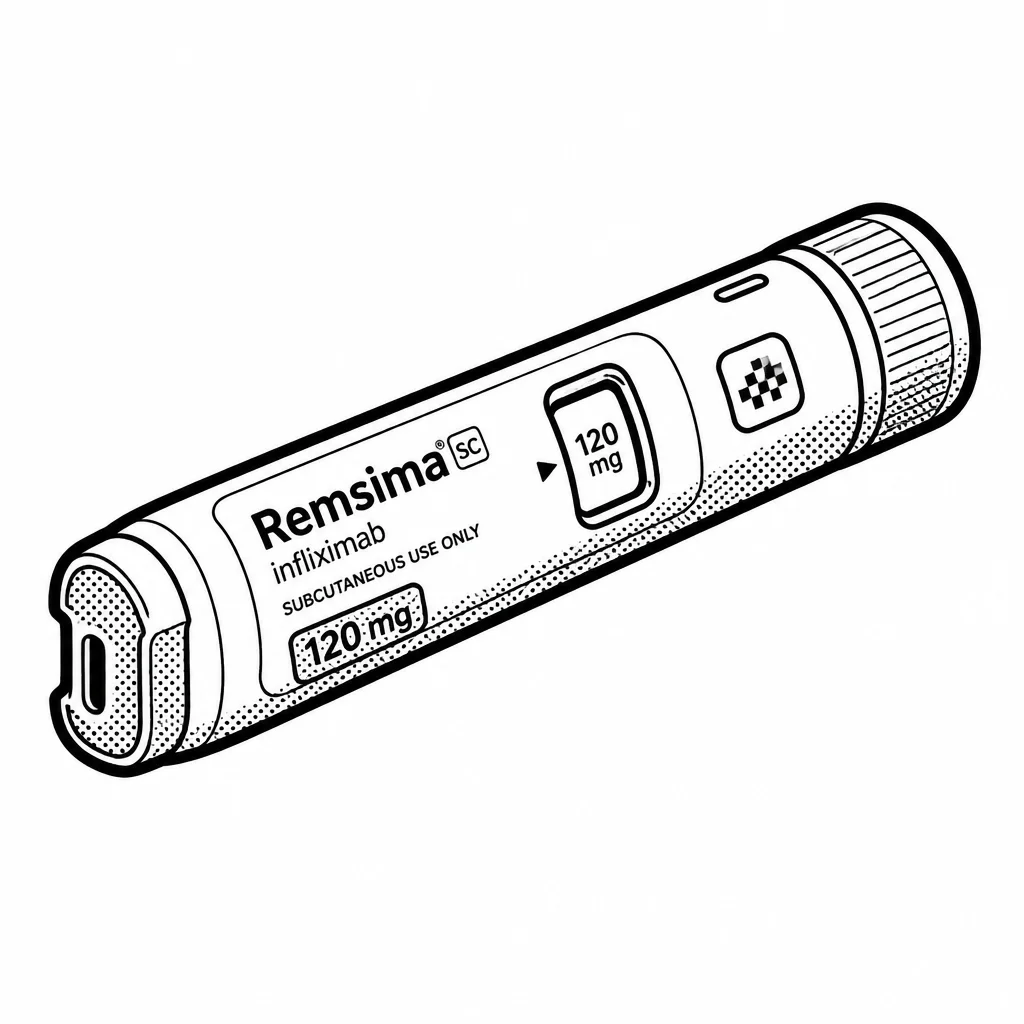
The business is hard to build because biologics are hard to copy. You cannot simply reverse-engineer a molecule the way you would aspirin; you have to make the same protein in living cells and prove it behaves the same way in patients. That means years of testing and regulatory review. But once approved, the payoff is a drug with development costs far below the original, sold into markets where insurers and governments are desperate to cut their medicine bills. Celltrion makes its money selling these drugs in bulk to healthcare providers, and its pitch is simple: same treatment, smaller bill. Celltrion started life as a company that made biosimilars for other firms to sell — mostly through its partnership with Pfizer, which marketed early products like Remsima, its version of the blockbuster arthritis drug Remicade. Over time, Celltrion pushed to sell more of its own drugs directly in key markets, including the United States and Europe, where profits are fattest when you cut out the middleman. That transition matters: it turns a manufacturer into a commercial company, with its own sales force and its own brand relationships with doctors and hospitals. It also puts Celltrion head-to-head with heavyweights like Amgen, Sandoz, and Samsung Biologics, all chasing the same price-conscious buyers.
The risks are real. Biosimilar prices fall fast when several companies copy the same drug, squeezing margins. Regulators in each country must approve every product, and healthcare systems buy slowly, often steering patients to whichever version is cheapest. Celltrion's answer is volume and a growing product lineup, including newer drugs and a push into higher-margin areas, plus a massive manufacturing base in South Korea — the company is based in Incheon — that lets it produce at scale. It is a company that profits from other people's expiring patents, and its future depends on whether it can keep launching copies of the world's most expensive drugs before the price crash arrives.
Saved answer · last researched 12 Nov 2026