Understand any stock in simple English
Enter a ticker to learn what the company does and how it makes money.
Hyundai Rotem Company
Hyundai Rotem builds railway cars, tanks and armored vehicles, and factory equipment, selling mostly to governments and transit agencies in Korea and abroad.
Hyundai Rotem is a South Korean manufacturer that makes things that move people and things that protect them. It builds subway cars, high-speed trains, and light rail vehicles for transit agencies, and it builds tanks and armored vehicles for armies. It also turns out plant and machinery equipment — the industrial gear that goes inside factories. The company is based in South Korea, and its biggest customer by far is the South Korean government and its national rail operator.
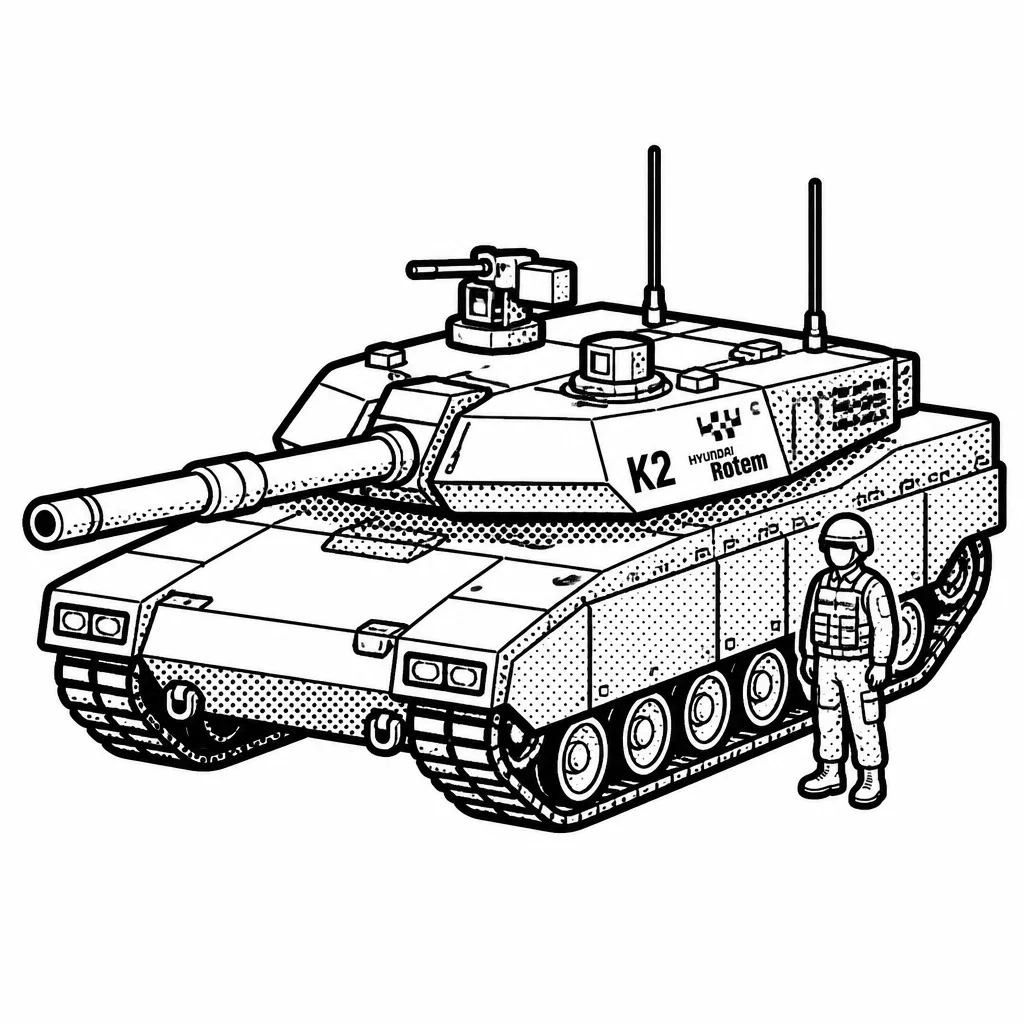
The railway business is the steady core. Korea's rail network runs largely on Rotem trains, and the company won export orders too — it supplied commuter trains to cities like Sydney, and it has chased high-speed rail deals abroad. The defense side is the spicier part. Rotem builds the K2 Black Panther tank, one of the more advanced main battle tanks in the world, and it has become a serious arms exporter, with Poland signing major deals for K2 tanks and related vehicles in recent years. Wars and military budgets move this business, so it swings more than trains do. The economics are simple to picture: trains are big, customized, low-volume machines sold through long contracts, often with years between order and delivery. That makes revenue lumpy and depends on winning bids. Defense contracts tend to be larger and stickier once a country commits to a weapons platform, because spare parts, training, and upgrades follow the initial sale for decades. That aftermarket tail is part of why defense exports are so prized. There are risks. Hyundai Rotem sits inside the Hyundai conglomerate family, which brings both stability and the occasional governance question. Competition in rail is fierce, with global players like Siemens, Alstom, and CRRC fighting for the same contracts. Defense rivals include Hanwha and other Korean and European makers. Orders can be delayed by politics or budgets, and a single lost bid can dent a year.
Still, the company has a rare mix: a captive home market in rail and a defense product that has found real customers overseas. That combination gives it steady work plus a growth kicker — the kind of business that can look boring until a tank order lands.
Saved answer · last researched 12 Nov 2026