Understand any stock in simple English
Enter a ticker to learn what the company does and how it makes money.
Korea Electric Power Corporation
KEPCO generates, transmits, and sells electricity to homes and businesses across South Korea.
KEPCO is South Korea's electric utility — the company that keeps the lights on for essentially the whole country. It runs the power grid, the giant network of wires and substations that carries electricity from power plants to homes, offices, and factories, and it sells that electricity to end users. In a country of about 50 million people with a heavy manufacturing base, that makes it one of the largest utilities in the world by the amount of power it sells.
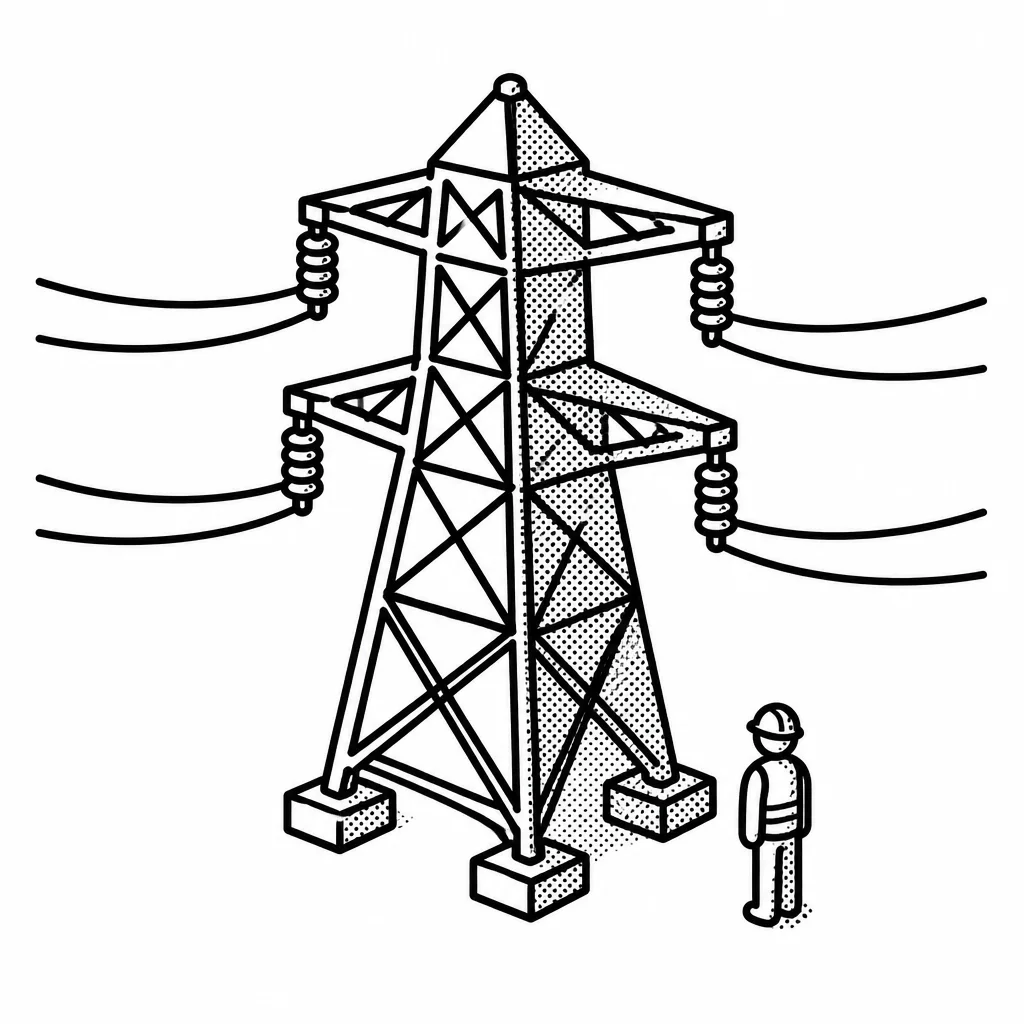
The business has two sides. On the generation side, KEPCO and its subsidiaries own and operate power plants — nuclear, coal, natural gas, and renewables — that produce the electricity. On the delivery side, it operates the transmission and distribution network that moves power across the country and the retail arm that bills customers. It also runs a grid operations center that balances supply and demand in real time, second by second, so the system doesn't overload. Here's the twist that defines KEPCO's finances: it is majority-owned by the South Korean government, and the government sets the retail price of electricity. So when global fuel prices spike — as they did after the 2022 energy shock — KEPCO's costs soar while its selling price stays politically capped. That mismatch produced enormous operating losses, tens of trillions of won, and forced the company to borrow heavily. The government has since raised tariffs somewhat to help it recover.
Its customers are basically everyone in South Korea, but big industrial users — chipmakers and steelmakers like Samsung Electronics and POSCO Holdings — are especially important because they consume huge amounts of power. KEPCO's main lever for improving its own results is cost control and debt reduction rather than winning market share, since it has no real retail competitor in its home market. It also invests heavily in grid upgrades and renewable projects, partly to support the country's shift toward cleaner energy.
Saved answer · last researched 12 Nov 2026