Understand any stock in simple English
Enter a ticker to learn what the company does and how it makes money.
Weichai Power Co., Ltd.
Weichai Power makes heavy-duty engines and the drivetrains, trucks, farm equipment and forklifts that use them, selling mostly in China and increasingly abroad.
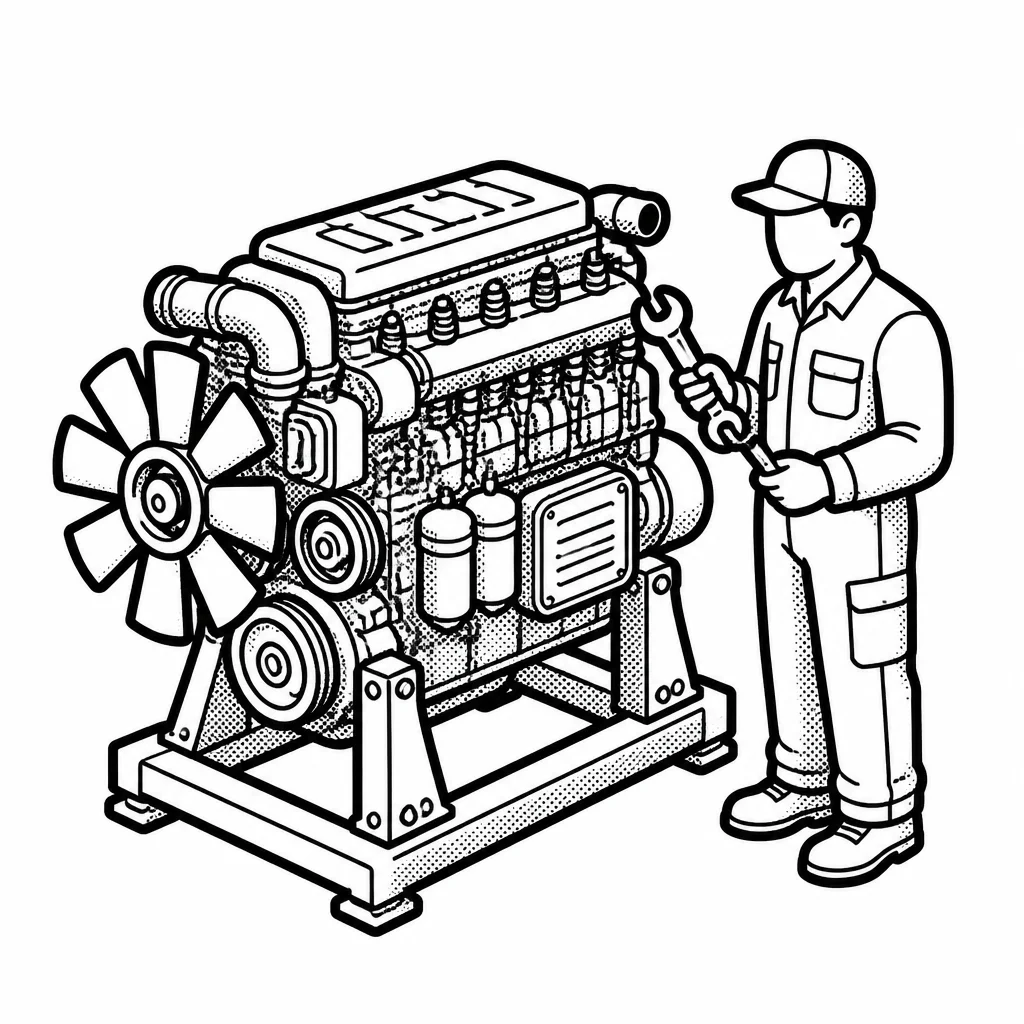
Weichai Power builds the big, tough machines that do the world's heavy lifting. Its core product is the diesel engine — the kind that powers a dump truck hauling coal out of a mine, a tractor pulling a plow across a field, or a bus carrying commuters through a Chinese city. Around that engine, it builds the rest of the powertrain: the transmission, the axles, the whole system that turns fuel into forward motion. It also owns brands that put these engines to work, including Shantui bulldozers, Lovol agricultural equipment, and a forklift business, so Weichai sells both the heart of a machine and the machine itself.
The customers are truck makers, construction companies, farms, ports and logistics operators. Weichai's single biggest advantage is scale and integration in China, where it supplies engines to many of the country's commercial vehicle manufacturers and has grown into one of the largest engine producers in the world. Its main competitors are other global engine and powertrain giants, including Cummins and Caterpillar, plus a crowded field of Chinese rivals. Weichai's pitch is simple: a reliable engine, a full drivetrain package, a huge service network, and prices that are hard to beat. Because so much of its revenue comes from China's truck and construction markets, its fortunes rise and fall with Chinese infrastructure spending and freight demand — a cyclicality that is both its strength in good years and its vulnerability in bad ones. The company is controlled by the Shandong provincial government, which gives it political backing and access to state-linked customers but also ties it to policy priorities like emissions rules and industrial consolidation. As Chinese regulations have tightened on diesel emissions, Weichai has invested in cleaner combustion and in alternative powertrains, including fuel cells and electric drive systems, betting that the next generation of heavy vehicles will need new kinds of power. It also owns stakes in overseas businesses — including a large position in Germany's KION, a forklift and warehouse equipment maker — which helps it sell outside China and learn from European engineering. That global push matters because China's heavy equipment market is mature and fiercely competitive, so growth has to come from somewhere else.
Weichai generates a lot of cash from its engine business and spends it on dividends, on research into cleaner and electric powertrains, and on buying or expanding its equipment brands. The honest picture is a company that is very good at making and selling traditional diesel engines at scale, is exposed to the ups and downs of Chinese construction and trucking, and is spending real money trying to stay relevant as the world slowly moves away from diesel. It is a heavyweight industrial supplier, not a glamorous growth story, and its results tend to track the physical economy — how much gets built, hauled, farmed and moved.
Saved answer · last researched 12 Nov 2026