Understand any stock in simple English
Enter a ticker to learn what the company does and how it makes money.
CJ Logistics Corporation
CJ Logistics is a Korean company that moves and stores goods for other businesses, handling everything from parcel delivery to giant warehouses and global freight.
CJ Logistics is the biggest logistics company in South Korea, and it does the physical work that makes online shopping and modern supply chains possible. When you order something from a Korean e-commerce site, there is a good chance the package travels through CJ Logistics at some point. The company picks up goods, sorts them in huge hubs, drives them across the country, and drops them at people's doors.
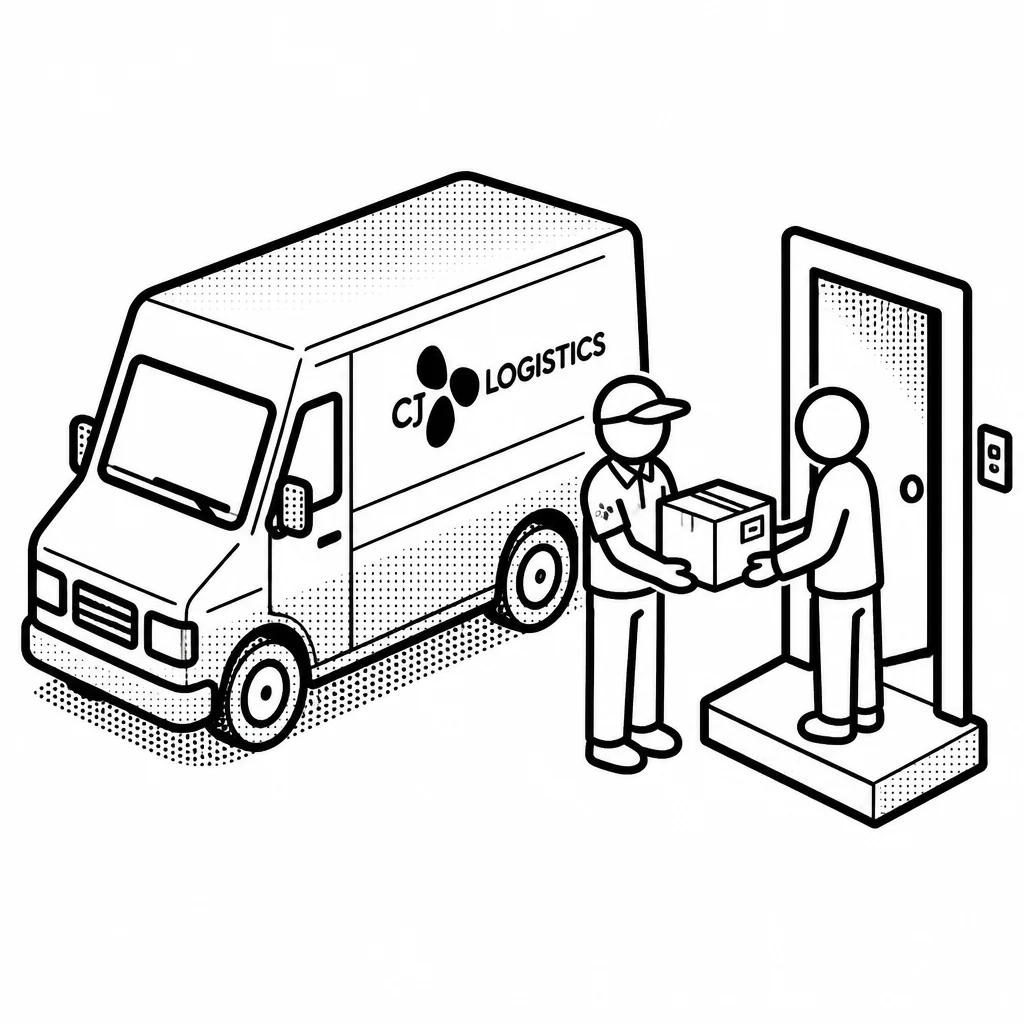
Its business has three main pieces. Parcel and e-commerce delivery is the most visible part, built around its nationwide network and its "Next Day" service that promises overnight delivery for online orders. Contract logistics is the quieter, bigger money-maker: CJ Logistics runs warehouses and manages inventory for manufacturers and retailers, so those companies don't have to. And freight forwarding moves cargo across borders by sea and air for exporters and importers. The company earns money either by charging per package or by signing long-term contracts to run warehouses and shipping for clients. The parcel business exploded as Korean e-commerce grew, and CJ Logistics invested heavily in automation, like giant sorting centers with robots and conveyor belts, to handle the volume without hiring endlessly. Its scale is its main weapon: more packages moving through the same network makes each one cheaper to handle. A key turning point was the 2012 deal in which CJ Group took control of Korea Express, the old state-linked logistics firm, and renamed it CJ Logistics. That deal turned a Korean trucking and shipping company into a national delivery powerhouse.
Big logistics is a thin-margin, capital-hungry game, and competitors like Hanjin and Lotte Global Logistics fight for the same customers. CJ Logistics spends a lot on warehouses, trucks, and automation, and its margins are modest because shippers shop hard on price. It also faces cost pressure from rising labor costs and fuel. The upside is that logistics demand keeps growing, especially online, and the company is expanding its international freight forwarding and cross-border e-commerce business to tap faster-growing markets outside Korea.
Saved answer · last researched 15 Nov 2026