Understand any stock in simple English
Enter a ticker to learn what the company does and how it makes money.
Korean Air Lines Co., Ltd.
Korean Air flies passengers and cargo around the world, and also builds aircraft parts, runs hotels, and sells in-flight meals.
Korean Air is South Korea's biggest airline. It flies people to hundreds of cities across the globe, and it hauls cargo in the belly of those planes and in dedicated freighters. For many travelers, it is simply the way to get from Seoul to Los Angeles, Bangkok, or Frankfurt. For businesses, it is a critical bridge for moving electronics, machinery, and other goods quickly across borders.
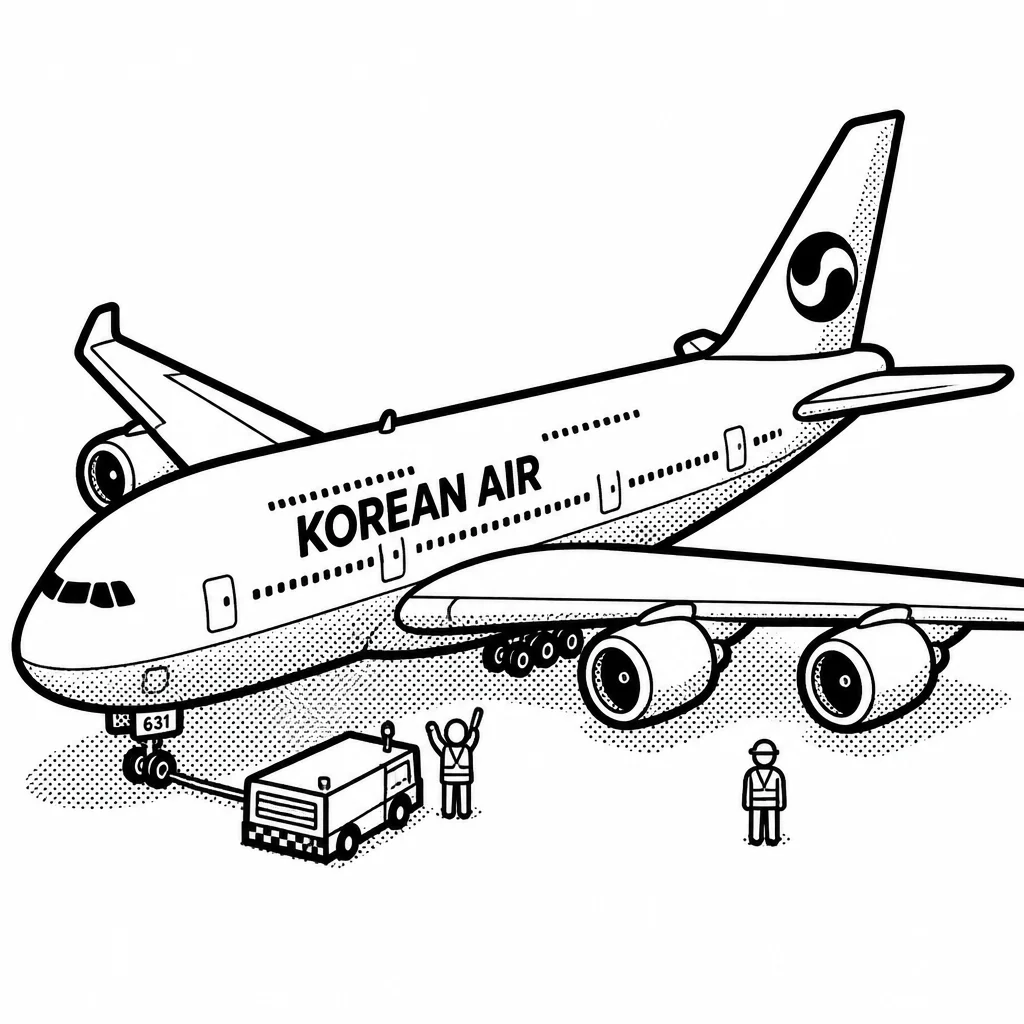
The airline business is brutal: fuel prices swing, currencies move, and a single global crisis can ground fleets overnight. Korean Air survives on scale and on its network. It is a founding member of the SkyTeam alliance, which lets it sell tickets on partner airlines and offer travelers a wider web of routes. Its main rivals at home are Asiana Airlines and low-cost carriers like Jeju Air, while globally it competes with giants such as Delta Air Lines and Emirates. The cargo side is a hidden strength — when passenger travel collapsed during the pandemic, freight kept the company alive by carrying vaccines, semiconductors, and e-commerce packages. What makes Korean Air unusual is that it is not just an airline. It builds aircraft structures through its aerospace division, which makes parts for plane makers like Boeing and Airbus. It runs hotels and a limousine service. It even sells in-flight catering. These side businesses are small compared with flying, but they smooth out the wild swings of the airline cycle and give the company engineering skills that pure airlines lack.
The biggest story looming over Korean Air is its plan to buy Asiana Airlines, a deal that would reshape South Korea's aviation market. After years of antitrust reviews, the merger is moving forward, and it would fold Korean Air's biggest domestic rival into the same group. That kind of consolidation is rare in aviation, and it would give Korean Air more control over routes, slots, and pricing at home. Whether it pays off depends on whether the combined airline can cut costs without losing passengers — a question every big merger faces.
Saved answer · last researched 12 Nov 2026