Understand any stock in simple English
Enter a ticker to learn what the company does and how it makes money.
SZ DJI Technology Co Ltd
DJI makes drones and camera gear that people fly for fun, film with, and use for serious work like farming and mapping.
DJI is the world's biggest drone maker. Its flying cameras are what most people picture when they hear "drone" — the little white quadcopters that hover over weddings, follow hikers up mountains, and shoot sweeping aerial video for movies and YouTube channels. The company also sells action cameras and microphone gear that compete with GoPro, and it makes the stabilized gimbals that keep handheld footage smooth.
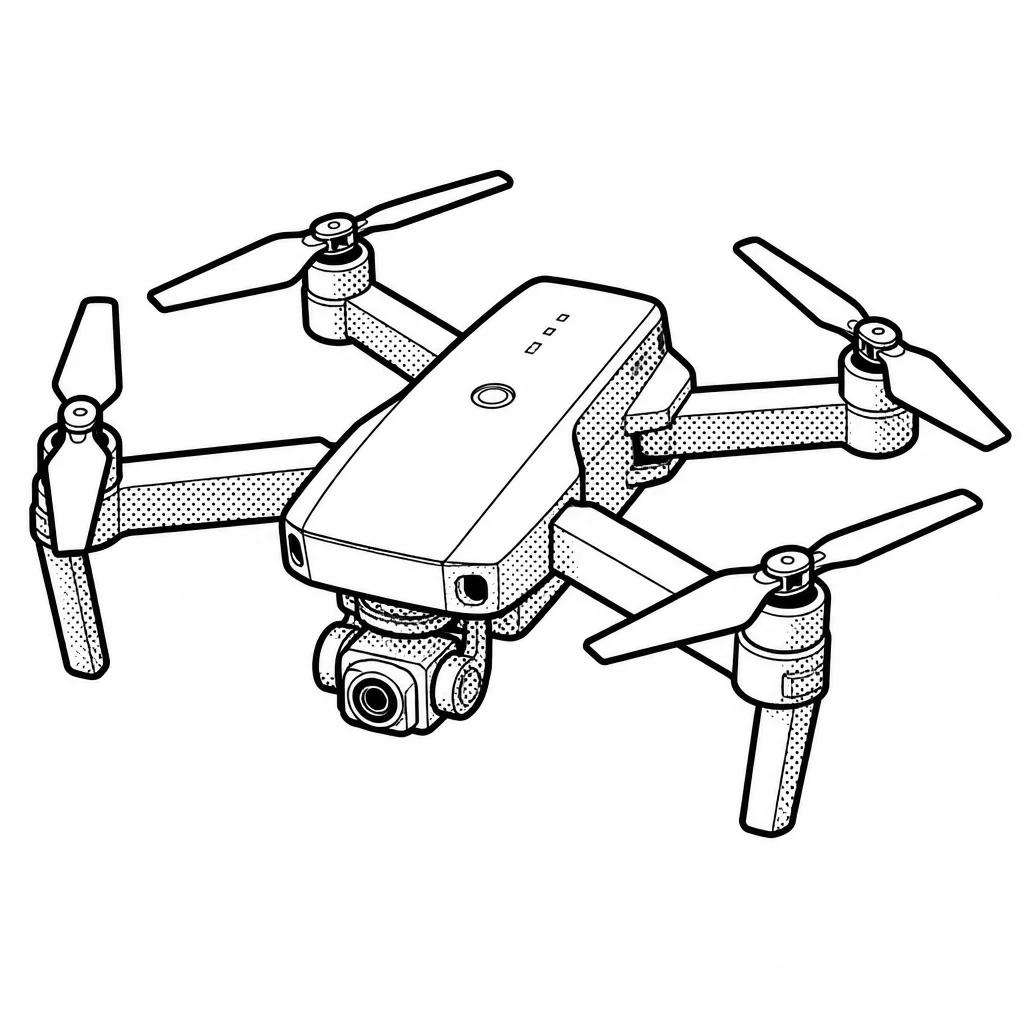
The business splits into two broad halves: consumer drones and gear for hobbyists and creators, and enterprise machines for professionals. Farmers use DJI crop-spraying drones to cover fields far faster than backpack sprayers. Construction and surveying crews fly DJI drones to map land and inspect roofs and power lines. Police, firefighters, and film crews rely on them too. Customers pay for the hardware up front, then keep buying batteries, propellers, replacement parts, and software subscriptions. DJI's grip comes from tight vertical integration: it designs its own motors, cameras, flight controllers, and software, which lets it undercut rivals on price while packing in features that competitors struggle to match. That dominance has made DJI a target. The U.S. Department of Defense placed it on a list of Chinese military-linked companies, and several U.S. agencies restricted purchases over security concerns about data. The company says its products are safe and that it has no military ties. These restrictions matter because the U.S. is a huge market for both hobbyists and public agencies, and rivals like Autel Robotics (a private subsidiary of a Chinese parent) have tried to fill the gap, though none has come close to DJI's scale. The company is privately held, so it does not report detailed financials, but it has been profitable and has grown steadily since it was founded in 2006 by Frank Wang, who started building flight controllers in a Hong Kong dorm room.
DJI's biggest vulnerability is not competition but politics. Bans or tariffs in major markets can cut off customers overnight, and the company has responded by building more of its supply chain outside China and pushing into new categories like e-bikes and robot vacuums. For now, though, the drone business remains the engine: DJI sells more drones than everyone else combined, and its brand is so strong that "DJI" is practically a synonym for "drone."
Saved answer · last researched 10 Nov 2026