Understand any stock in simple English
Enter a ticker to learn what the company does and how it makes money.
Suntory Holdings Limited
Suntory makes and sells drinks — whisky, beer, soft drinks and bottled water — along with health and wellness products for consumers around the world.
Suntory is one of Japan's oldest and largest drinks companies. It makes whisky, beer, soft drinks, bottled water, and health products, and it sells them to ordinary people in supermarkets, convenience stores, bars and restaurants. If you have ever sipped a Yamazaki whisky, a Hibiki, a bottle of Tennensui water, or a can of Boss coffee, you have been a Suntory customer. The company started in 1899 as a small wine shop in Osaka, but most of its modern identity was built on a stubborn bet: that Japan could make whisky as good as Scotland's. That bet paid off spectacularly, and today Suntory is the world's third-largest spirits maker.
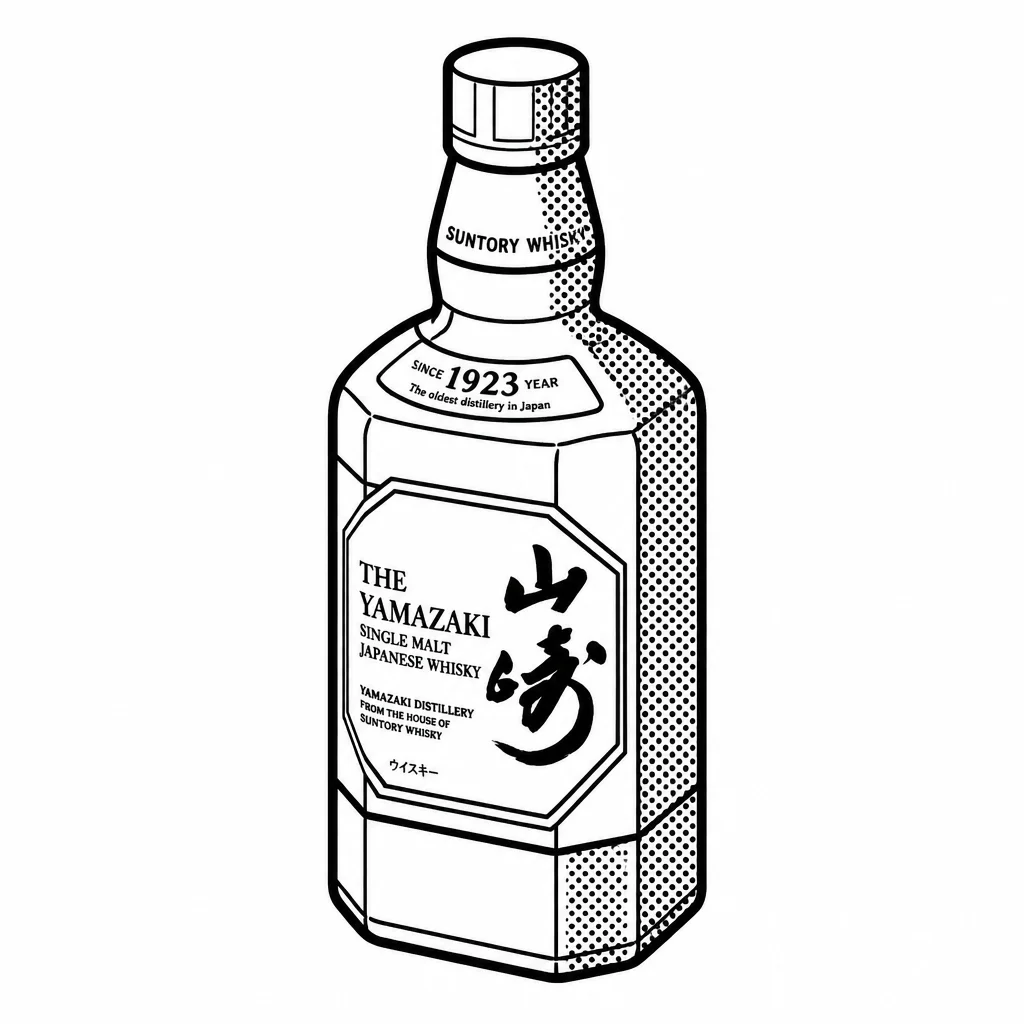
The business runs on two big engines. The first is its alcoholic drinks — Japanese whisky, imported Scotch, beer and ready-to-drink cocktails. In 2014 Suntory bought Beam Inc., the American company behind Jim Beam bourbon and Maker's Mark, for roughly $16 billion. That single deal turned a mostly Japanese spirits maker into a global one overnight. The second engine is non-alcoholic drinks: bottled water, green tea, coffee and juices, largely sold through vending machines and convenience stores across Japan and Asia. It also owns a health and wellness arm. What makes Suntory tick is patience. Whisky cannot be rushed — it sits in barrels for years, sometimes decades — so the company has to think in ten- and twenty-year horizons. That long view helped it scoop up premium whisky brands when rivals were ignoring them, and it is now reaping the rewards as Japanese whisky has become wildly sought-after and frequently sells out. Its biggest rival in spirits is Diageo — the London-listed owner of Johnnie Walker, Guinness and Smirnoff — and in beer and soft drinks in Japan it battles Kirin. Suntory is privately held, controlled by the founding family, so it does not answer to public shareholders or publish the same kind of investor reports. That gives it unusual freedom to make big, slow bets. Its most famous one was buying Beam, a deal that a nervous public company might have hesitated over. The risk was real — the debt was heavy — but the payoff was a truly global whisky portfolio and a foothold in the American market that would have taken decades to build from scratch. Not every bet has been so clean; its health-supplement business ran into trouble in 2024 when a recall of red-yeast products linked to a cholesterol supplement made headlines and damaged trust in Japan.
The honest picture is a company with a fortress of beloved brands, deep pockets, and a tolerance for waiting that few listed rivals can match. Its strengths are its premium whiskies, its grip on Japan's drinks market, and a family-owner structure that lets it play the long game. Its weaknesses are that alcohol sales face shrinking populations and growing health concerns, and that Japanese whisky's popularity has actually made it hard to keep shelves stocked — there simply isn't enough aged stock to meet demand. Suntory's answer is to keep investing in distilleries and aging warehouses, spending money today for whisky that won't be ready to sell for years.
Saved answer · last researched 10 Nov 2026