Understand any stock in simple English
Enter a ticker to learn what the company does and how it makes money.
Skeleton Technologies GmbH
Skeleton Technologies makes high-power ultracapacitors and battery systems that store and release energy very quickly for vehicles, grids, and industrial machines.
Skeleton Technologies makes ultracapacitors — devices that store electricity and can release it in a burst far faster than a normal battery, then recharge just as quickly. Where a lithium-ion battery is like a fuel tank that drains slowly, an ultracapacitor is more like a spring you compress and let go in an instant. Its customers are truck and bus makers, grid operators, port and crane manufacturers, and industrial firms that need a short, violent punch of power rather than hours of steady supply.
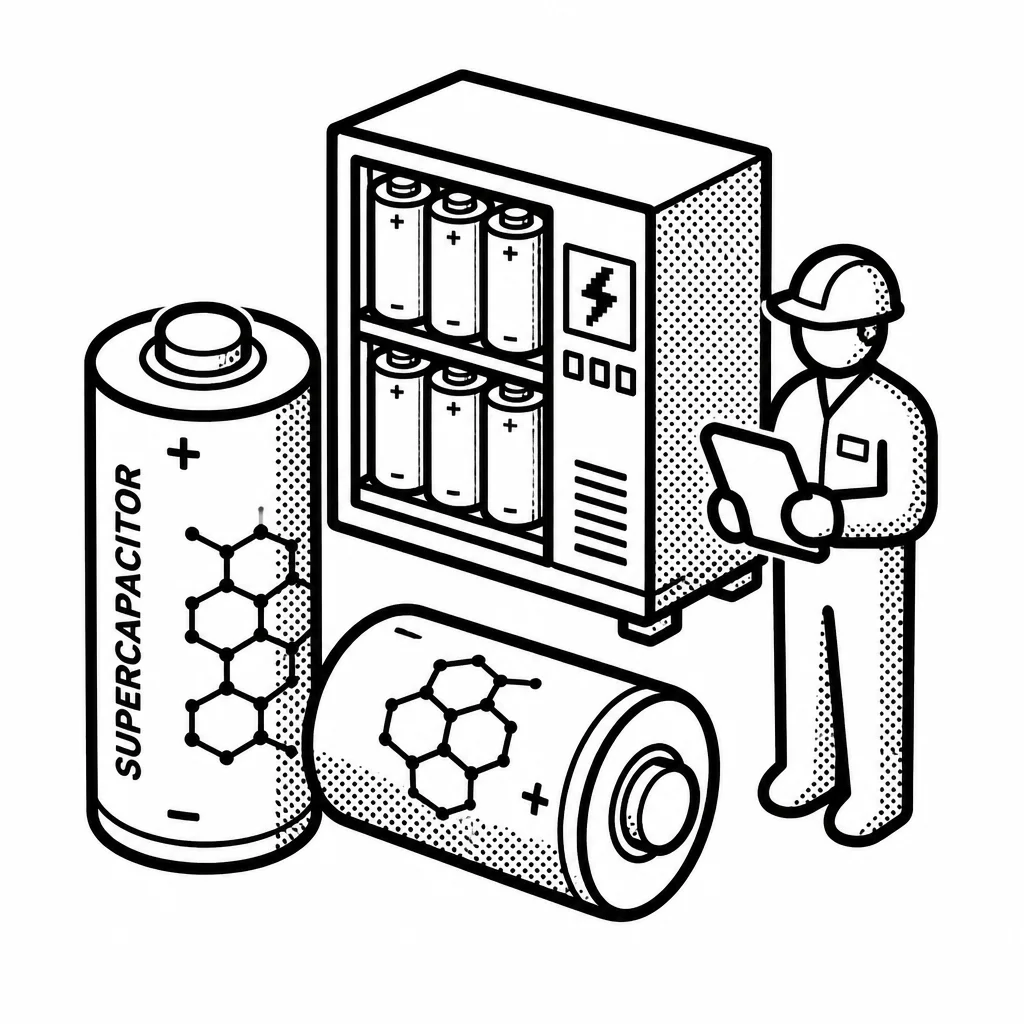
The company builds two main things. Its "SuperBattery" line combines ultracapacitor materials with battery chemistry so that vehicles like buses, trucks, and mining equipment can capture braking energy and reuse it without wearing out the battery. Its ultracapacitor cells and modules handle jobs like smoothing power on electricity grids, starting heavy engines, and stabilizing factory equipment. Skeleton also sells systems that combine its cells into larger packs for vehicles and power plants. Customers pick it over ordinary battery makers because the cells are built to survive hundreds of thousands of charge cycles and work in punishing heat and cold. Skeleton grew out of research in Estonia and now manufactures in Grossröhrsdorf, Germany, near Dresden, where its factories sit close to the German car industry that is a key market. It has raised significant money from investors and European public funds, and its technology has been used in everything from racing cars to space programs. The core bet is that the world's shift to electric vehicles and clean power will need short-burst storage that batteries alone handle poorly.
The business is capital-heavy: building factories and scaling a novel materials process takes years and serious cash, and Skeleton has leaned on public grants and outside investors rather than profits to fund growth. Its main competitors include ultracapacitor makers such as Maxwell Technologies, now part of Tesla, as well as battery suppliers like CATL and LG Energy Solution that are pushing into fast-charging chemistries. Whether Skeleton wins depends on convincing manufacturers that a pricier but longer-lasting cell is worth it at scale.
Saved answer · last researched 10 Nov 2026