Understand any stock in simple English
Enter a ticker to learn what the company does and how it makes money.
Razer Inc.
Razer makes gaming laptops, mice, keyboards, headsets, and chairs, and sells them mostly to gamers who want gear built specifically for play.
Razer is a gaming hardware company. It makes the gear people use to play: laptops, mice, keyboards, headsets, and chairs, all sold under a design language of black and neon green. Walk into a dorm room or a streamer's setup and there's a decent chance something on the desk has a glowing three-headed snake logo on it.
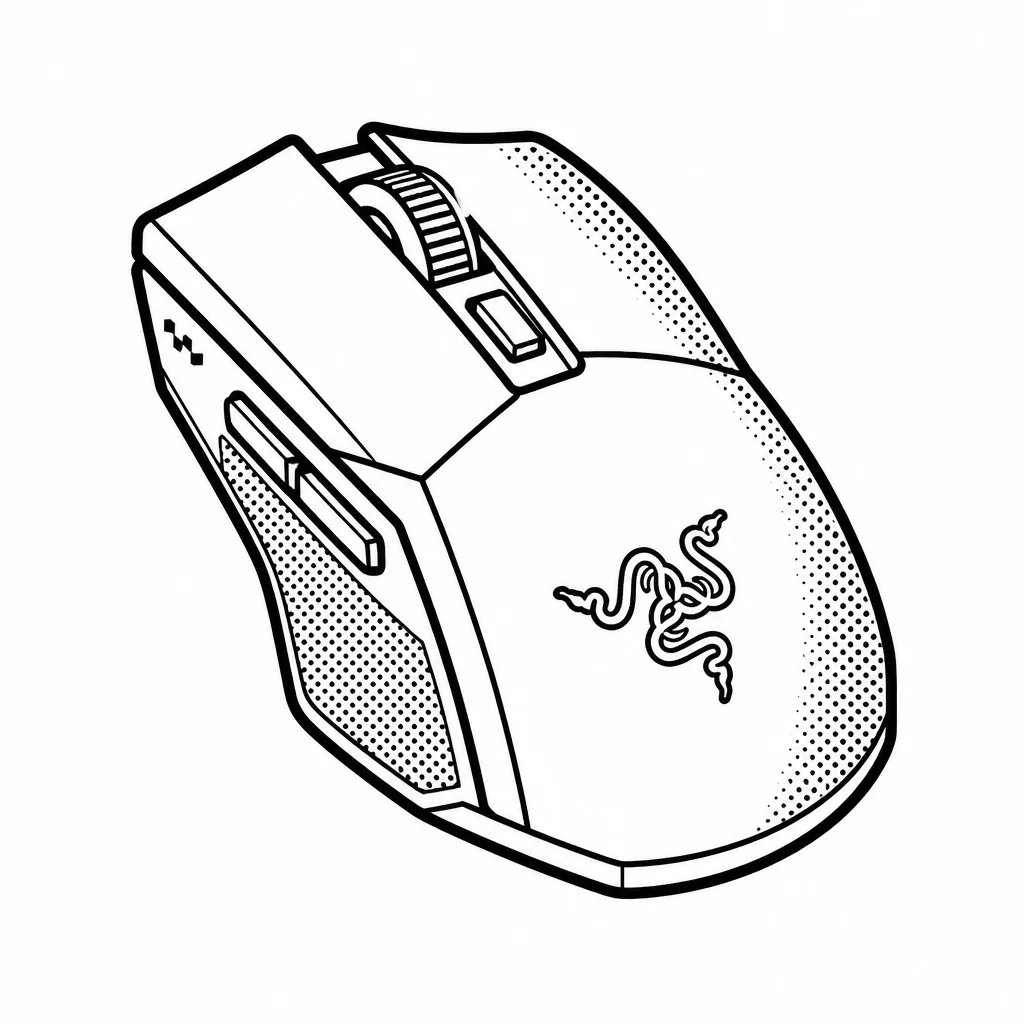
The business started in the late 1990s with a single product: a mouse built for competitive players who needed precision a normal office mouse couldn't give. That focus on "gear made for gamers, not repurposed from office equipment" became the whole pitch. Today Razer sells three broad things. First is hardware — the mice, keyboards, laptops and headsets that are still the core. Second is software and services, including its Synapse app that controls settings and lighting across devices. Third is the Razer Gold virtual currency and payments network, which lets gamers buy in-game content across many titles and takes a cut of those transactions. It also owns the Razer Phone line and has dabbled in accessories, apparel, and even a somewhat infamous (and eventually discontinued) gaming toaster. Razer listed on the Hong Kong Stock Exchange in 2017, then was taken private in 2022 by a group led by co-founder and CEO Min-Liang Tan and private equity firm CVC. The buyout valued the company at roughly HK$23 billion. Going private freed it from quarterly earnings pressure, which matters for a company that has historically struggled to turn a profit on hardware — hardware is a low-margin, fiercely competitive business, and Razer has long competed with Logitech and Corsair on peripherals while also fighting Dell, HP and Asus in gaming laptops. The payments and software side, where margins are fatter, is the strategic bet to balance out the thin hardware business.
Razer's edge is brand and community. It sponsors esports teams and events, sells to a devoted base of gamers, and treats aesthetics as a serious feature. The downside is dependence on a niche (though a large and growing one) and the fact that hardware buyers are price-sensitive and quick to switch. Being private now means Razer can invest and restructure without public scrutiny, but it also means less transparency for outsiders — the company no longer files detailed financial reports, so the current state of its revenue and profitability is harder to verify from reliable public sources. What's clear is that Razer remains one of the most recognizable names in gaming gear, selling an identity as much as a mouse.
Saved answer · last researched 10 Nov 2026