Understand any stock in simple English
Enter a ticker to learn what the company does and how it makes money.
Masan Group Corporation
Masan makes and sells everyday household products like seasonings and noodles, and runs a chain of grocery stores for Vietnamese families.
Masan is a Vietnamese consumer goods company built on things people use every day. If you walk through a Vietnamese kitchen, you will likely find its fish sauce, its instant noodles, or its soy sauce. It also makes home and personal care products such as laundry detergent and soap, sells fresh meat, and brews coffee and beer. Its big bet, though, is a grocery chain called WinCommerce, which it now controls. So Masan is really two things in one: a food and household goods manufacturer, and a retailer that runs thousands of small supermarkets where those goods — along with fresh food and other brands — are sold.
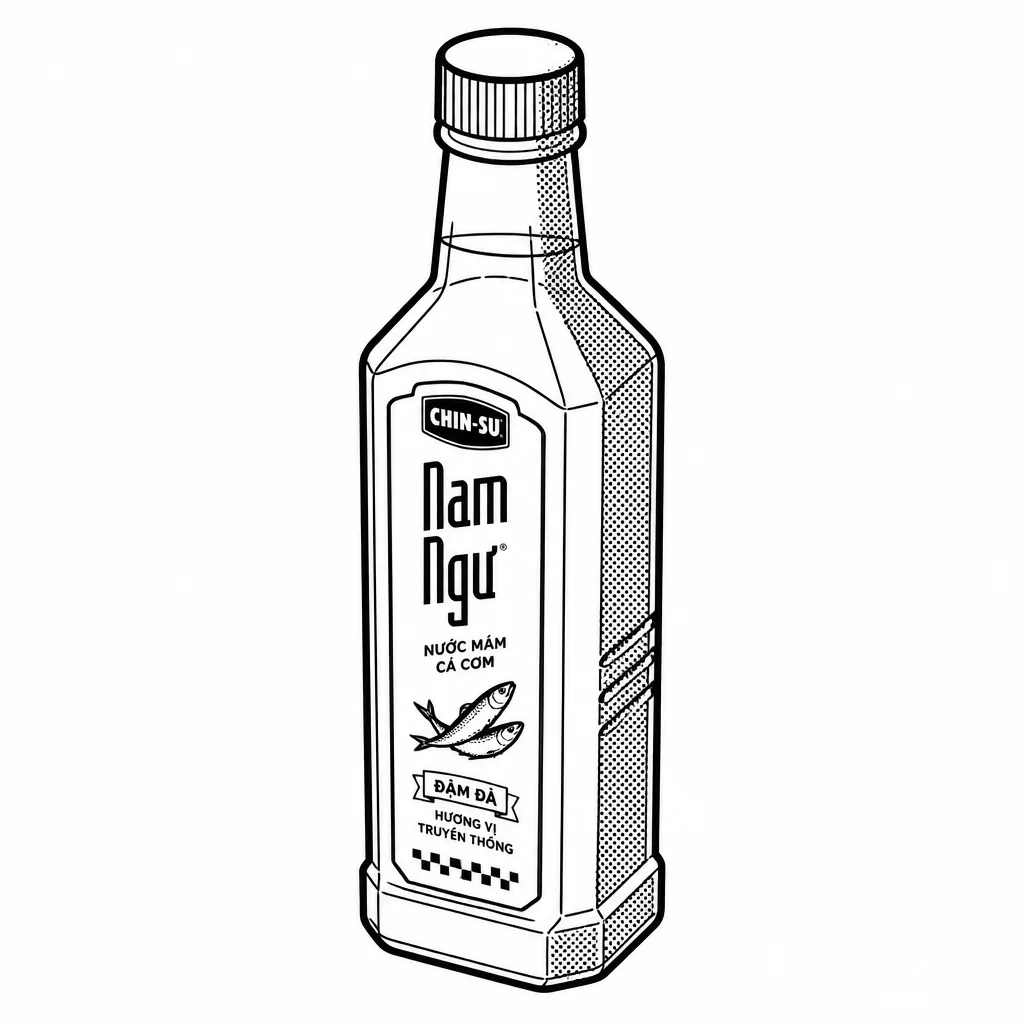
The grocery business is the piece that glues everything together. Masan calls the strategy "Point of Life." The idea is simple: get closer to millions of Vietnamese households at the store level, then use that daily contact to push the products Masan itself makes. It uses something it calls The CrownX as the investment vehicle that sits over the WinCommerce retail business and its food operations. The pitch is that if the company controls the checkout counter, it can also sell more of its own sauce, noodles, and meat. The retail side earns money on the thin margins of selling groceries, while the branded food and household products side is where the bigger, steadier margins come from. A recent turning point has been the coffee business. In 2025, Masan agreed to sell its stake in the coffee company it had built, which is essentially the Vietnamese coffee brand Phuc Long, to Vietnam Dairy Products. The deal shifts Masan back toward its core: food, household products, and the retail network. In 2024, the company reported net revenue of roughly 78 trillion Vietnamese dong, up about 8.6% on the prior year, and said it had reduced its leverage. Phuc Long, a coffee shop chain, was bought years ago as an experiment to win over younger consumers. A word of caution about Vietnam's retail market: it is brutally competitive. Grocery chains battle local wet markets — cheap, fresh, and everywhere — as well as larger modern retailers. Masan's grocery arm has taken time to become profitable, and that is the central risk and opportunity. If it can manage thousands of small stores efficiently while selling its own brands, the daily foot traffic is a gold mine. If it cannot, those stores become an expensive bet. The whole company effectively hinges on winning that fight at the checkout counter every week.
The company is based in Ho Chi Minh City and is controlled by the Nguyen family, which has kept a large stake. That matters: Masan has an owner with skin in the game, able to make long-term bets like building a grocery empire instead of just chasing quarterly profits. For investors, Masan is not a flashy story. It is a bet that the same company making the fish sauce can also be the one selling it to you.
Saved answer · last researched 14 Nov 2026