Understand any stock in simple English
Enter a ticker to learn what the company does and how it makes money.
Marston's PLC
Marston's runs pubs and breweries across Britain, making money from selling drinks and food to customers and from rent paid by the people who run its pubs.
Marston's is one of Britain's big pub companies. It runs hundreds of pubs across the country — some are managed directly by the company, where staff are its own employees, and others are "tenanted" or "franchised," where an independent operator runs the pub and pays Marston's rent plus a share of the drinks bought through the company.
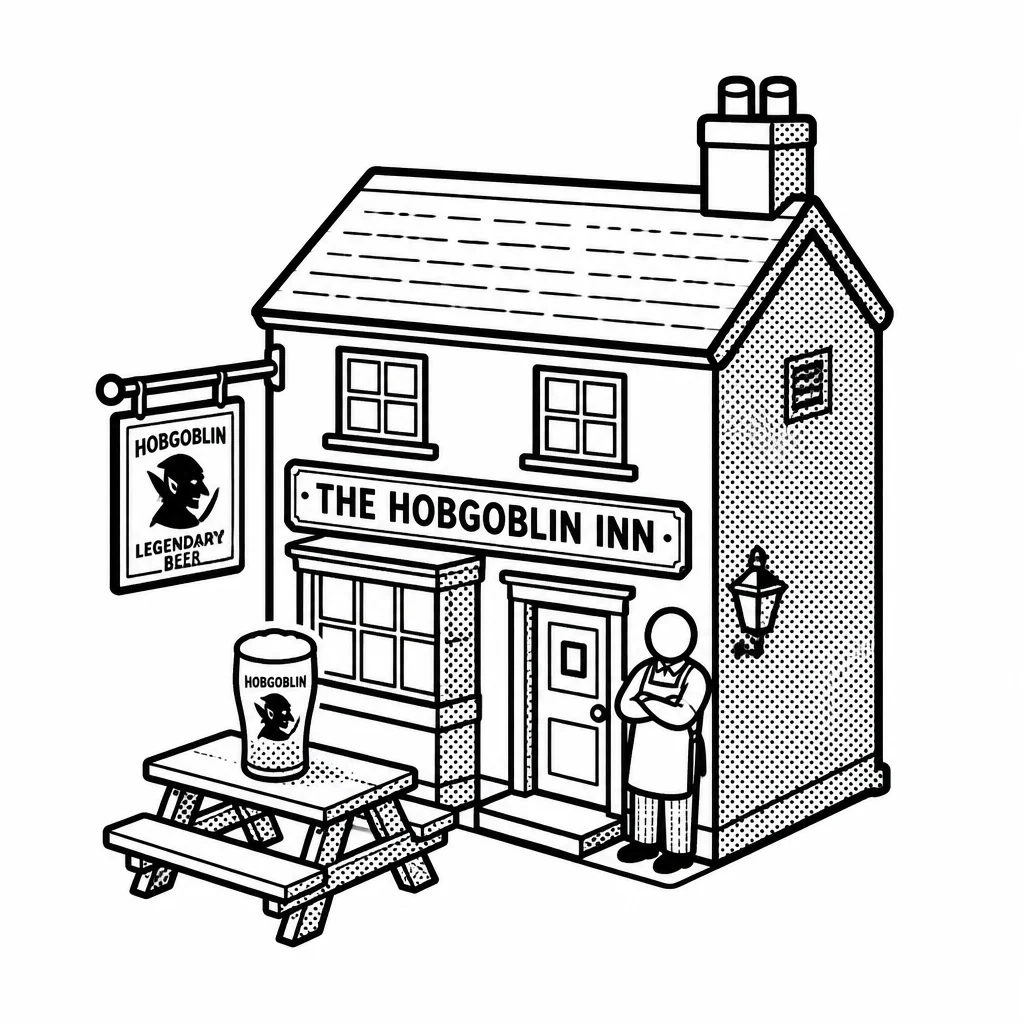
The business sits in a tough spot. Pubs are a beloved British institution, but they've been squeezed for years by rising costs, changing drinking habits, and the cheap price of supermarket alcohol. Marston's has spent much of the last decade reshaping itself around this reality. It sold off its brewing arm — including well-known beer brands like Hobgoblin — to Carlsberg in a joint venture deal in 2020, then bought out Carlsberg's stake in that joint venture in 2024 to take full control of its beer distribution again, before selling that brewing business on to focus squarely on pubs. The strategy is now simple to state: own and operate pubs. Customers choose a Marston's pub for a pint, a meal, or a room to stay in — often in suburban or community locations rather than city centres. The company makes its money from wet sales (drinks), food, and accommodation, plus rent from its tenanted pub operators. Its main rivals are other big pub groups like Mitchells & Butlers and Wetherspoon, alongside every independent pub on the same street.
The industry's cash flow problem is real. Pubs need constant investment to stay attractive, and wages and energy bills have jumped sharply in recent years. Marston's has been working to cut debt and strengthen its balance sheet, which matters because pub companies carry heavy borrowings against their property. It pays a small dividend when it can. The core bet is that well-run local pubs, with food and rooms attached, remain something people want — and will pay for — even as the wider drinking market shrinks.
Saved answer · last researched 4 Nov 2026
Timeline
Marston Starts Brewing in Burton
In 1834, John Marston opened a small brewery called J. Marston & Son in Burton upon Trent, a town that would become famous for beer. That little brewing business is where this whole story began.
Three Breweries Become One
Decades later, three breweries in Wolverhampton joined forces to form Wolverhampton & Dudley Breweries. It was based in a different town and had nothing to do with Marston's yet, but this was the company that would one day carry the Marston's name.
Wolverhampton & Dudley Goes Public
In 1947, the company sold shares to the public and listed on the London Stock Exchange. That gave it money and a public profile to grow with.
Buying the Marston's Brewery
Then came the big move: Wolverhampton & Dudley bought the Marston's brewery, its beers and a huge collection of pubs for £292 million. The Marston's name and its Pedigree beer now belonged to the larger group.
A New Name: Marston's
The company had grown into a nationwide business, and in 2007 it swapped its old name for Marston's PLC. It was a simple signal that the Marston's identity now led the show.
Adding the Eagle Brewery
Marston's bought Charles Wells's Eagle Brewery in Bedford, picking up well-known ale brands like Bombardier, Courage and McEwan's, plus the global licence for Young's beers. Its beer cupboard got a lot fuller.
A Brewing Joint Venture with Carlsberg
In 2020, Marston's combined its brewing business with Carlsberg UK into a big joint venture, keeping a 40% stake and handing over its six breweries while keeping its pubs. It was a clear turn toward running pubs rather than making beer. That same year, COVID-19 restrictions hammered hospitality, and the company cut over 2,150 jobs.
Carlsberg Buys Out Marston's
Carlsberg then bought Marston's remaining 40% share of the brewing joint venture for £206 million. That ended 190 years of brewery ownership and left Marston's free to focus on pubs and hotels and to pay down debt. It was now a pure pub and hotel operator.
Justin Platt Takes the Top Job
Justin Platt became chief executive in January 2024, taking over from Andrew Andrea, who had steered the company through the pandemic. A new leader stepped in just as the company was reshaping itself.
Profits Triple as Debt Falls
Under the new setup, profits grew strongly for a third year running, more than tripling from 2023, and margins widened. The Grandstand pub format was a star, earning returns above 30% and lifting sales at converted pubs by around 30%, with at least 100 more conversions planned. Debt had roughly halved since 2023, and the company planned to start returning cash to shareholders, likely through share buybacks.