Understand any stock in simple English
Lawson, Inc.
Lawson runs convenience stores and other retail and service businesses, mainly in Japan, selling food, daily goods, and services to nearby shoppers.
Lawson is a Japanese convenience store chain — the kind of small neighborhood shop where you can grab a rice ball, pay a utility bill, pick up concert tickets, or print a document at almost any hour. Most people know it for its blue-and-white "milk can" sign and its shelves of onigiri, bento boxes, fried chicken, and desserts. It's one of Japan's big three convenience store networks, alongside 7-Eleven and FamilyMart, and it also runs supermarkets and some entertainment and financial services.
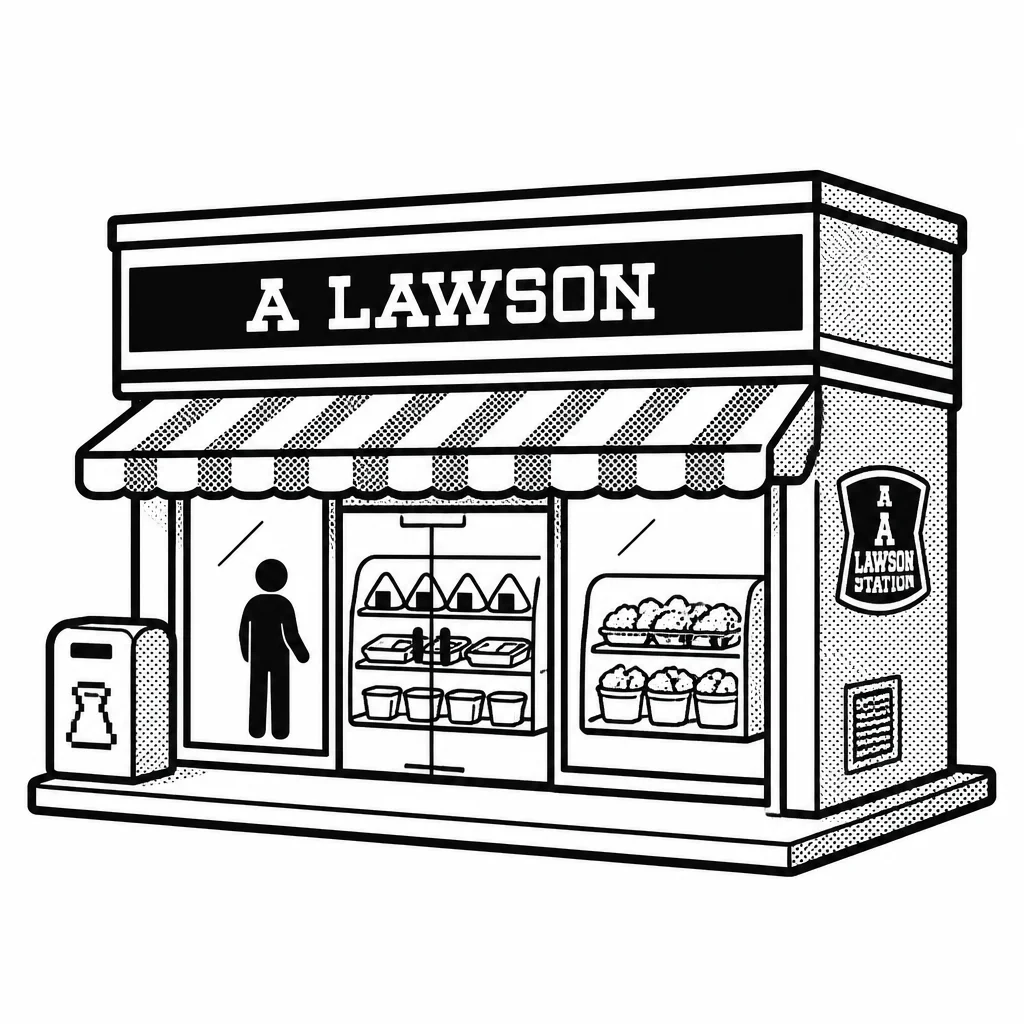
The core business works like this: most Lawson stores are run by franchisees, independent operators who use Lawson's brand, its supply chain, and its ordering systems. Lawson makes money by selling goods wholesale to those stores and by collecting franchise fees, while it also runs a chunk of stores directly. Customers keep coming back because the stores sit close to home and work, stay open late, and stock a tightly managed mix of fresh food and everyday items. That convenience is the whole product — paying a little more for a shop that's right there when you need it. The company's reach goes well beyond snacks. Lawson stores double as small service counters, offering banking, bill payments, package pickup, and ticket sales. That's part of why convenience stores in Japan function almost like public infrastructure. Lawson has also pushed into supermarkets and other retail formats, and it has been expanding overseas, especially in China and Southeast Asia.
The big ownership story: Lawson was long listed on the Tokyo Stock Exchange, but it's no longer a public stock. In 2024, KDDI, a major Japanese telecom, teamed up with trading house Mitsubishi Corporation to buy out Lawson and take it private. KDDI became the largest shareholder, with Mitsubishi and Lawson itself holding smaller stakes. The logic was to fuse a telecom's digital reach with a store network that touches millions of people every day — using Lawson's stores as a place to sell connectivity, payments, and data-driven services.
Saved answer · last researched 17 Nov 2026