Understand any stock in simple English
Enter a ticker to learn what the company does and how it makes money.
Java House Group
Java House runs coffee shops and restaurants across East Africa, serving coffee, breakfast, burgers, and pizza to everyday customers.
Java House is East Africa's best-known coffee shop and restaurant chain. People walk in for a morning latte and a full breakfast, meet a friend over lunch, or grab a burger and pizza in the evening. It is where Kenya's middle class goes when it wants a reliable, comfortable place to eat that feels a step up from a roadside kiosk but is still affordable.
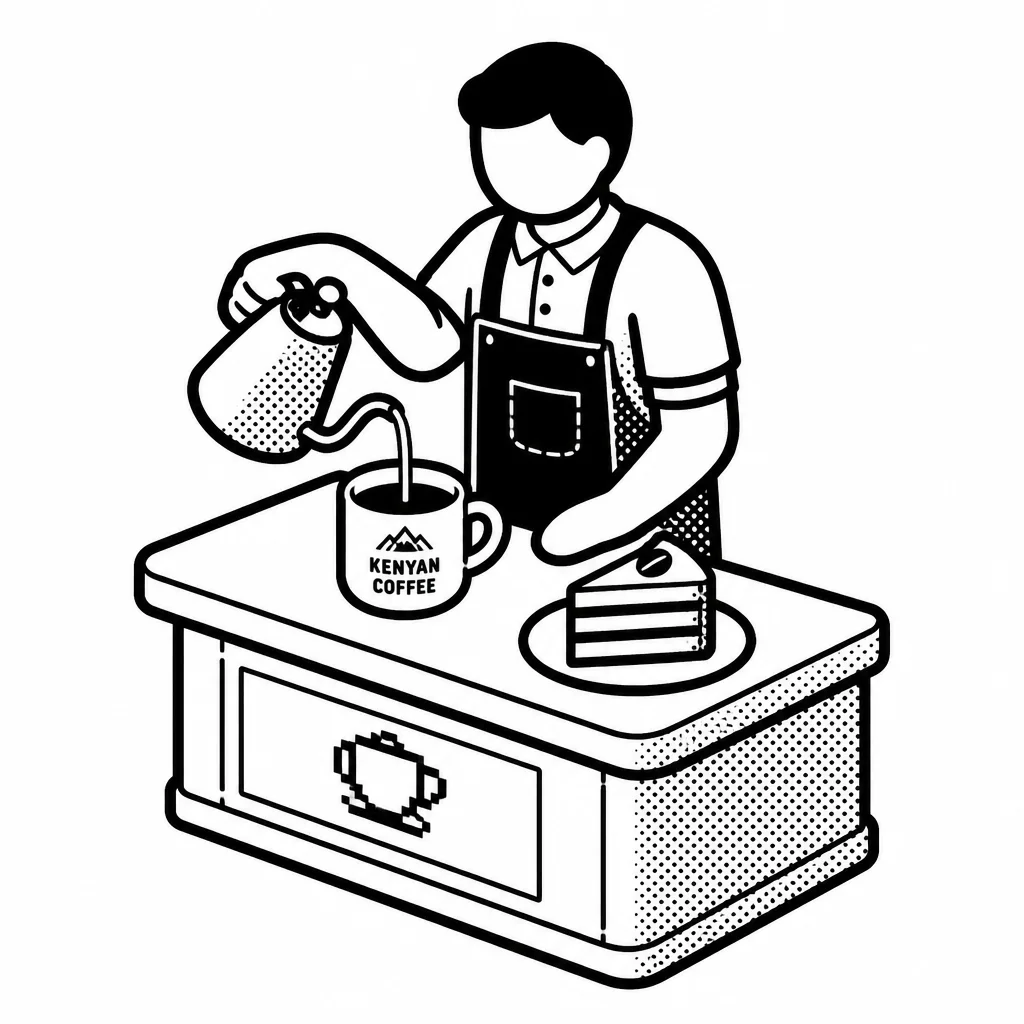
The business is really two things under one roof. The first is the coffeehouse: espresso drinks, brewed coffee, pastries, and all-day breakfast, built around the idea that Kenyans would pay for a proper sit-down coffee culture. The second is the full restaurant menu — burgers, pizzas, and grilled food — which turns each location into a place you can visit three times a day. Java House also roasts and sells its own coffee beans and runs a small bakery operation, and it has expanded into other brands and formats, including a pizza chain and casual dining spots, so it can chase different customers without diluting the main name. Customers pay per meal and per cup, in cash or by card, and the company keeps the margin between what a plate of food costs to make and what someone hands over at the till. It chooses locations carefully — malls, office districts, busy roads — because foot traffic is the whole game in restaurants. Scale and consistency are what make it strong. A single café is a tough small business; a few dozen of them sharing a supply chain, a central kitchen, and a recognized brand is a much better one. Java House was an early mover in Kenyan coffee culture, which gave it a name that most competitors had to spend years and money to match. But restaurants are a brutally competitive, low-margin trade, and the company has to fight for every customer against cheaper local eateries, international chains, and supermarket coffee. Rent, food costs, staff wages, and power bills eat into thin profits, and a weak economy or a bad location can turn a busy branch into a money-loser quickly.
The company has had a dramatic ownership history. It grew from a small Nairobi coffee shop in the late 1990s into a regional chain, and in 2017 a big international investor bought a majority stake in a deal that valued the business at well over $100 million. That kind of price tag meant the owners had to grow fast to justify it — opening new branches, adding brands, and pushing into new countries. More recently the chain has changed hands again, and the story has been one of expansion mixed with the hard reality that running restaurants across several East African markets is expensive and slow. For anyone watching, Java House is a good window into Kenya's consumer economy: when the middle class feels confident and spends on eating out, the coffee is flowing, and when times get tight, the espresso machines get quieter.
Saved answer · last researched 10 Nov 2026